How We Produce Graphic Design for Englewood
Before we sketch anything, we ask questions that most designers skip. Who are your customers, what do they value, and what impression do you want them to have before they ever set foot in your business? For a community-based organization on Racine Avenue, the answer to those questions looks different than it does for a food business pitching wholesale accounts, and the design needs to reflect that difference.
We research the neighborhood genuinely. We look at the visual landscape of 63rd Street and Halsted Street, the signage, the colors, the visual vocabulary that the community already uses, and we find the design direction that feels native to Englewood rather than imported from a design trend that has nothing to do with this neighborhood. That does not mean every client gets the same aesthetic. It means the design work is grounded in real context.
From there we develop visual identity concepts: logo directions, color systems, typography, the visual language that will hold together across every application. We present options with clear rationale, take feedback, and refine toward the direction that works best for the business. We do not design by committee, but we design with your knowledge of your customers and your community built into every decision.
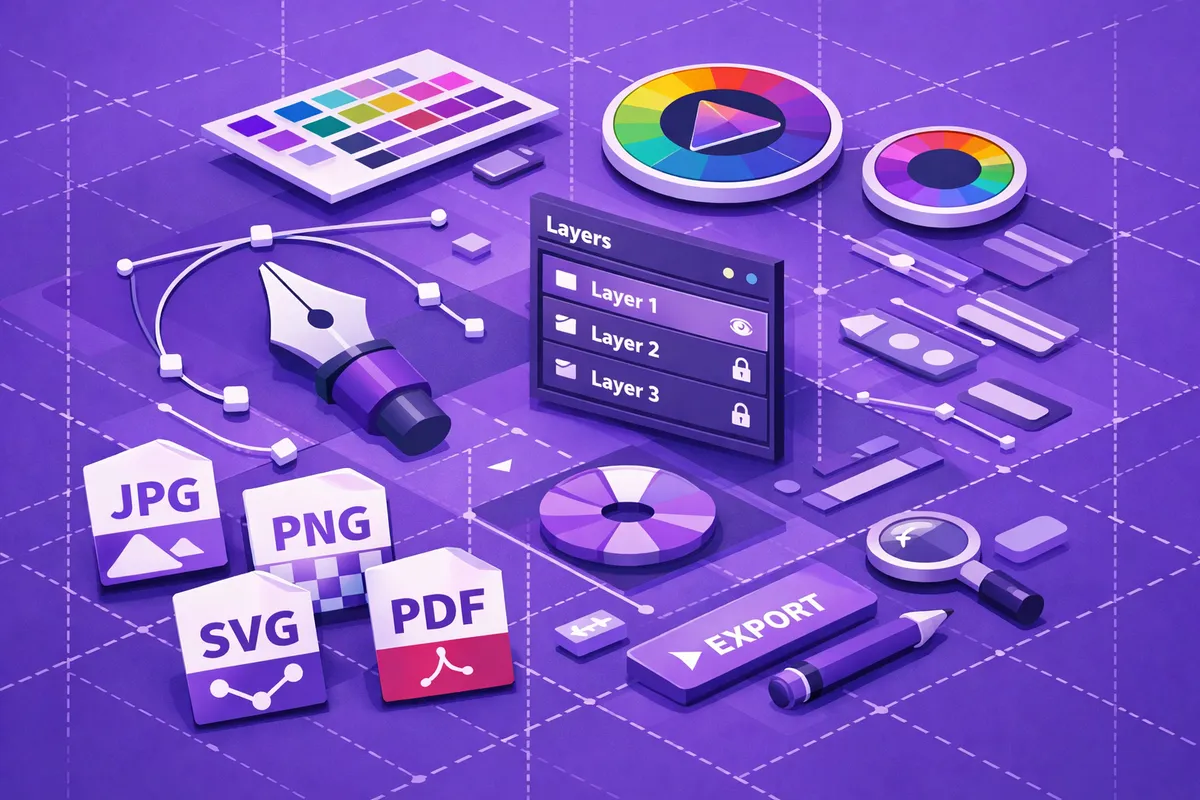
Final deliverables include every file format needed for print, digital, and signage. A barbershop gets the vector files for sign shops. A nonprofit gets the formats for grant applications, social media, and event materials. The Growing Home vendors who need materials for farmers markets get designs that hold up on a folding table in October weather and still look professional.
Industries We Serve in Englewood
Community-based organizations and nonprofits along Garfield Boulevard need visual identity systems that communicate their mission clearly across donor materials, grant applications, community outreach, and events. The organizations doing the most important work in Englewood often have the least consistent visual presentation, which undermines the credibility they have actually earned through years of real work.
Barbershops and salons anchoring the 63rd Street commercial corridor need interior design elements, business card systems, and social media visual templates that reinforce the neighborhood authority they have built. The shop that has been the go-to for the block for ten years should look like it. That confidence belongs in the brand.
Urban agriculture and food enterprises in the Growing Home ecosystem need packaging design, farmers market materials, wholesale pitch decks, and product labels that position their food as what it actually is: quality, local, and community-produced. The design has to work at a farmers market table and on a shelf in a specialty grocery, and those are different design problems solved within the same visual system.
Along Ashland Avenue, home healthcare and personal care businesses need brand materials that immediately communicate trust, professionalism, and care. Families choosing a home care provider are making a deeply personal decision. The agency whose materials look credible and thoughtful is the one that gets the callback. Business cards, intake forms, digital presence, staff uniforms: every touchpoint matters.
Churches and faith community institutions on the Garfield Boulevard corridor produce an extraordinary volume of visual communication: weekly bulletins, event flyers, ministry materials, fundraising campaigns, annual reports. Organizations doing this work with inconsistent design across every piece are spending more time and money than they need to. A well-built visual system with templates makes every piece faster and more consistent.
Near Kennedy-King College, small food businesses and caterers who compete for institutional and corporate catering contracts need proposals, presentation materials, and brand identity that meet the visual standards of the clients they are pitching. A catering business with excellent food but amateur-looking materials loses bids to less skilled competitors with better presentation.
What to Expect Working With Us
1. Discovery and positioning. We start with a structured conversation about your business, your customers, your competition, and your goals. For Englewood organizations, this includes honest discussion of how you want to be perceived both within the community and by external stakeholders, funders, institutional buyers, or new customers who may be encountering you for the first time.
2. Concept development. We develop two or three distinct visual directions, each with a logo concept, color palette, and sample application. These are not variations on the same idea; they represent genuinely different interpretations of your brand. You choose a direction, tell us what works and what does not, and we refine toward the final system.
3. Full system delivery. The final deliverable is a complete visual identity system: master logo files in every format, a brand guide documenting how to use the system, and any application files requested (business cards, letterhead, social templates, signage files). Everything is organized, labeled, and ready to hand to a printer or upload to a platform without technical headaches.
4. Implementation support. We stay available for questions during rollout. When the sign shop on Halsted Street asks for a different file format or the event committee needs a modified version of a flyer template, we handle it. Design work is not finished when files are delivered; it is finished when the visual system is working in the world.