How We Build Autonomous Workflow Agents for Englewood
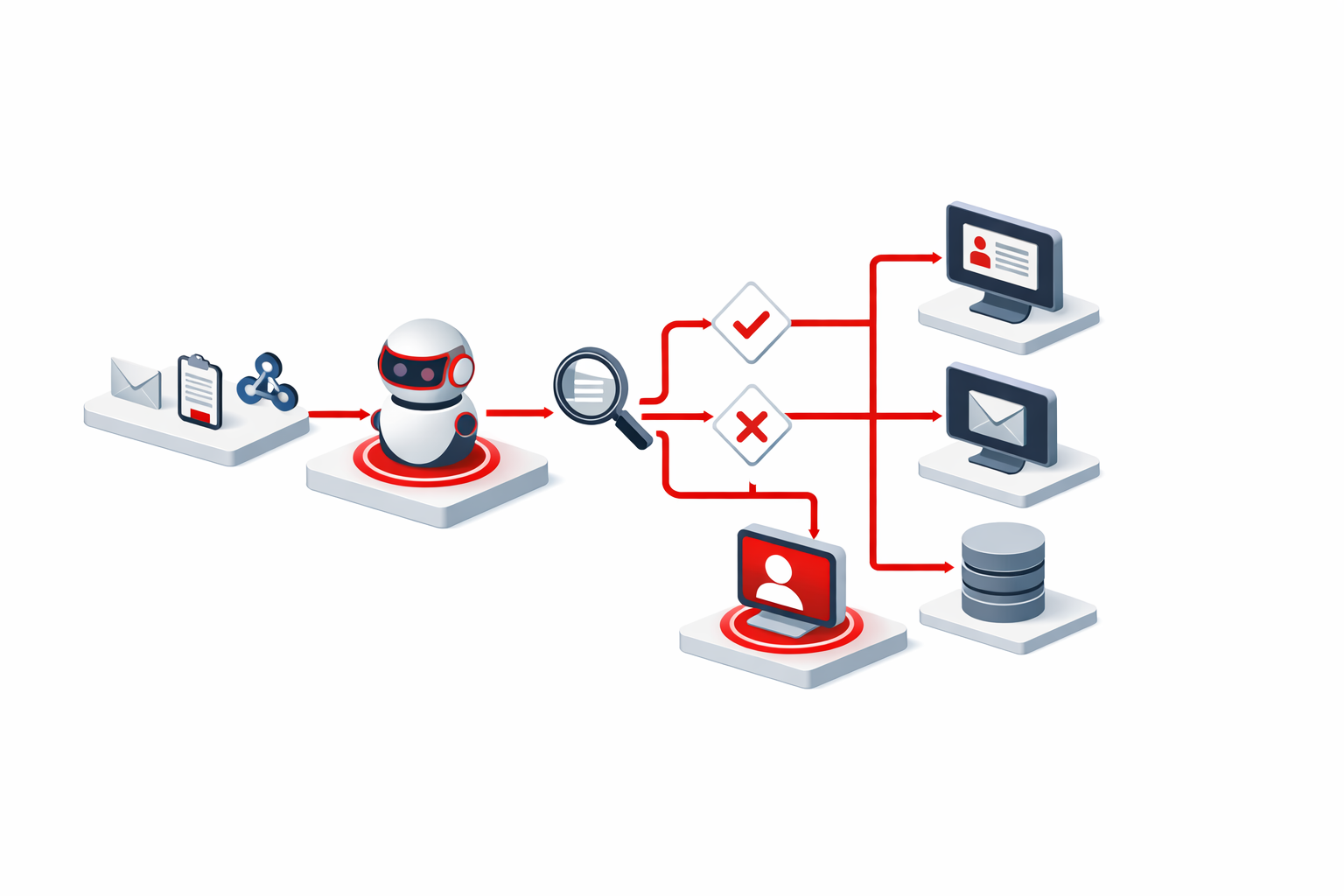
We build agents through a four-stage process that starts with deep operational understanding and ends with a running system your team can maintain without technical support.
The first stage is use-case identification. We document the specific multi-step tasks that consume the most time in your operation. We look for tasks that have clear inputs, defined rules, and predictable outputs. Appointment follow-up sequences, supply order monitoring, reporting routines, and client communication chains are typical examples for Englewood businesses. Organizations near 63rd Street dealing with high client volume benefit particularly from intake and follow-up automation.
The second stage is agent design. We map out every step in the workflow the agent will handle, define the decision rules at each branch point, and specify what human oversight points exist. We design agents with explicit human handoffs for decisions that require judgment your team needs to make. Automation handles the logistics. People handle the relationships. For Englewood community organizations where the quality of human connection is the product, this boundary is essential.
The third stage is build and testing. We use a combination of AI models, workflow automation tools, and API connections to construct the agent. Testing involves running the agent through real scenarios with real data before it goes live. Edge cases get handled before they cause problems. For Englewood organizations serving community members, we test specifically for scenarios involving incomplete information, non-English responses, and the kinds of unusual situations that community service work regularly generates.
The fourth stage is monitoring and maintenance. Running agents are monitored for errors and unexpected behavior. When workflows change, we update the agents. We document every agent in plain language so your team understands what it does and can explain it to anyone who asks.
Industries We Serve in Englewood
Community nonprofits and social service organizations near Hamilton Park and Ogden Park run program administration workflows that repeat with every new participant: intake, assessment, enrollment, progress tracking, reporting. Autonomous agents handle the data movement and communication steps in these cycles so case managers and program coordinators can spend their time on the actual casework.
Home healthcare agencies on the South Side manage complex scheduling, compliance documentation, and caregiver communication chains. Autonomous agents can monitor schedule changes and automatically reroute coverage, send compliance documentation reminders before deadlines, and compile the weekly summaries that supervisors need without the supervisor spending an afternoon in spreadsheets. Agencies operating near Racine Avenue and throughout Englewood's residential areas benefit from scheduling agents that handle the daily logistics of caregiver assignment.
Churches and faith-based community programs along Garfield Boulevard run events, volunteer coordination, and resource distribution programs with volunteer labor. Agents that handle registration confirmation, volunteer reminder sequences, and post-event follow-up communications free volunteer coordinators from the administrative overhead that drives volunteer burnout.
Urban farms and community food enterprises like the operations connected to the Growing Home model on Ashland Avenue handle wholesale orders, community shares, and donation logistics simultaneously. Autonomous agents can monitor order intake, trigger production planning updates, and send fulfillment confirmations without a staff member managing each step manually. Seasonal harvest periods that create administrative peaks are handled without scaling staff.
Small retail and e-commerce businesses along 63rd Street benefit from agents that monitor inventory, trigger reorder alerts, send order confirmation and shipping update messages, and flag customer service issues for human review. The business owner focuses on sourcing and relationships while the agent handles the transactional communication layer.
Tutoring and educational service businesses near Kennedy-King College manage student enrollment, session scheduling, attendance tracking, and progress reporting as routine administrative work. Agents handle the scheduling confirmation flows, attendance follow-up messages, and monthly progress summary generation so instructors focus on teaching rather than administration.
What to Expect Working With Us
1. Operational audit and use-case selection. We spend time understanding how your Englewood business operates and identify the two or three workflow sequences that would have the highest impact if automated. We do not try to automate everything at once. We start where the time savings are clearest.
2. Agent design and approval. We document the agent in plain language before building anything. You review the design and approve it. No surprises. Every decision point the agent will make is spelled out in terms that do not require technical background to understand.
3. Build, test, and deploy. We build the agent, run it through test scenarios with your real data, and resolve any issues before going live. Launch includes a supervised period where we monitor the agent's first real-world runs and catch anything the test scenarios did not surface.
4. Documentation and ongoing support. Every agent comes with plain-language documentation. We monitor running agents and update them when your workflows change. You have a direct line to us when something does not behave as expected.