How We Build AI Integration Services for Englewood
We start with a workflow audit. Before connecting any systems, we document how work actually moves through a business: where information enters, where it gets stuck, what people have to do manually, and what gets dropped. For most Englewood businesses, the biggest time sinks are intake, follow-up, and reporting.
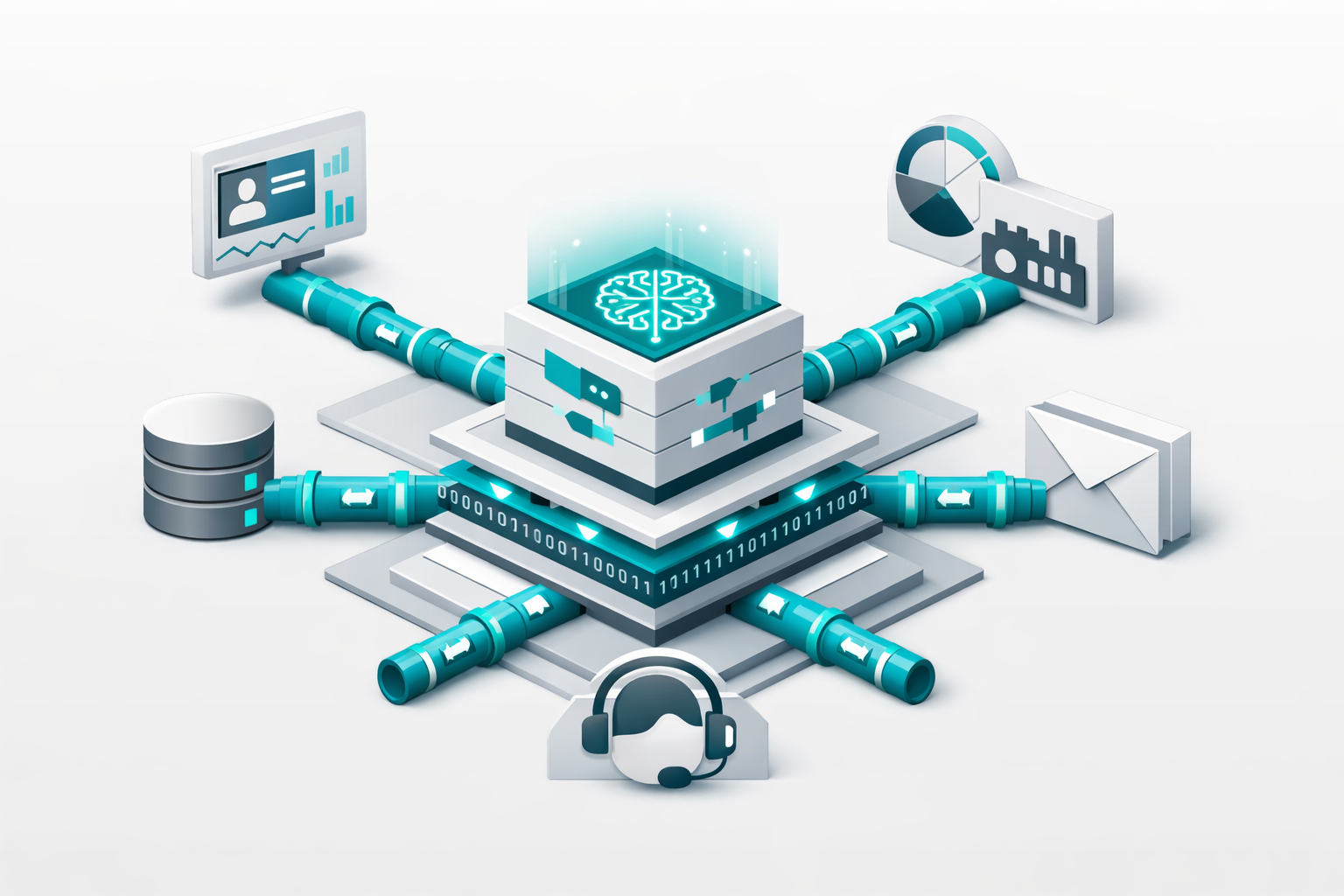
After the audit, we map the integration architecture. We identify which tools need to talk to each other and what data needs to flow in which direction. We use APIs where they exist and middleware tools like Zapier, Make, or custom-built connectors where they do not. We do not recommend replacing working systems unless there is a clear operational reason. Englewood businesses have invested in the tools they use, and integration work should protect that investment, not require replacing it.
We build with sustainability in mind. Most Englewood businesses do not have technical staff who can maintain complex custom code. We use tools with non-technical interfaces for routine maintenance, and we document every integration in plain language. When something breaks or needs adjustment, the documentation tells your team what the integration does and who to call. We are that who, and we respond.
Training is part of every project. We do not hand over a finished system and disappear. We train staff on how the integrations work, what to do when something fails, and how to expand the system as needs change. For businesses that have experienced unreliable tech vendors before, that ongoing relationship matters. We build documentation in plain language, not technical jargon.
We also monitor integrations after launch. Automated alerts tell us when a connection breaks before the client even notices. That kind of reliability is table stakes for businesses where a missed appointment or a dropped order has real consequences for a real person in the neighborhood.
Industries We Serve in Englewood
Community health clinics and home healthcare providers operate under regulatory pressure and staffing constraints simultaneously. We integrate patient intake forms with scheduling systems, connect scheduling with billing platforms, and automate the appointment reminders that reduce no-show rates. For agencies managing caregivers across multiple client homes in Englewood, we connect scheduling tools with time-tracking so payroll runs clean.
Faith organizations and community nonprofits run complex operations on volunteer labor. We integrate event management, donor tracking, and volunteer scheduling systems so program coordinators spend time building programs instead of updating spreadsheets. Automated communication flows ensure the right people get notified about the right events without manual outreach every time. Churches along Garfield Boulevard managing multiple concurrent ministry programs benefit particularly from unified volunteer and event management.
Urban agriculture and food businesses like Growing Home handle inventory, orders, wholesale accounts, and community distribution simultaneously. We build integrations that connect point-of-sale systems with inventory trackers, automate reorder alerts, and sync customer data across sales channels so the team knows what sold, what remains, and who to reach out to.
Barbershops, salons, and personal care businesses on Halsted Street and Ashland Avenue often run booking through one app, collect payments through another, and communicate with clients via a third. We connect these systems so a completed appointment automatically triggers a review request, loyalty tracking updates, and a rebooking reminder thirty days out. The best shops on 63rd Street run tight operations where every client interaction flows through a connected system.
Small food and catering businesses working out of shared commercial kitchens need order management, ingredient tracking, and invoicing to run in sync. Integration tools connect online order forms with production schedules, purchasing lists, and customer communication so nothing falls through the cracks during busy service periods.
Educational and tutoring businesses near Kennedy-King College serve students who need consistent follow-through. We integrate enrollment forms with session scheduling, connect scheduling with payment processing, and automate the follow-up messages that keep students on track when life gets complicated.
What to Expect Working With Us
1. Workflow discovery session. We spend sixty to ninety minutes mapping how your business actually operates, not how the software was designed for you to operate. We learn your current tools, your pain points, and what you wish happened automatically. For Englewood organizations, we also document any compliance or reporting requirements that the integrations need to support.
2. Integration proposal with clear scope. We document exactly what we will build, what tools we will connect, and what the outcome will look like. No technical jargon. No scope creep surprises. You approve the plan before we build anything.
3. Build, test, and train. We build the integrations, test them with real data scenarios, and then train your team on how to use them. We stay available during the first two weeks of live operation to handle any issues that surface. Englewood businesses dealing with end-of-month billing or grant reporting deadlines receive training timed to their actual operational cycles.
4. Ongoing support and monitoring. We monitor integrations for failures and respond when something breaks. As your business grows, we revisit the integration map and add new connections that serve the expanded operation.