How We Build AI Data Pipelines in Englewood
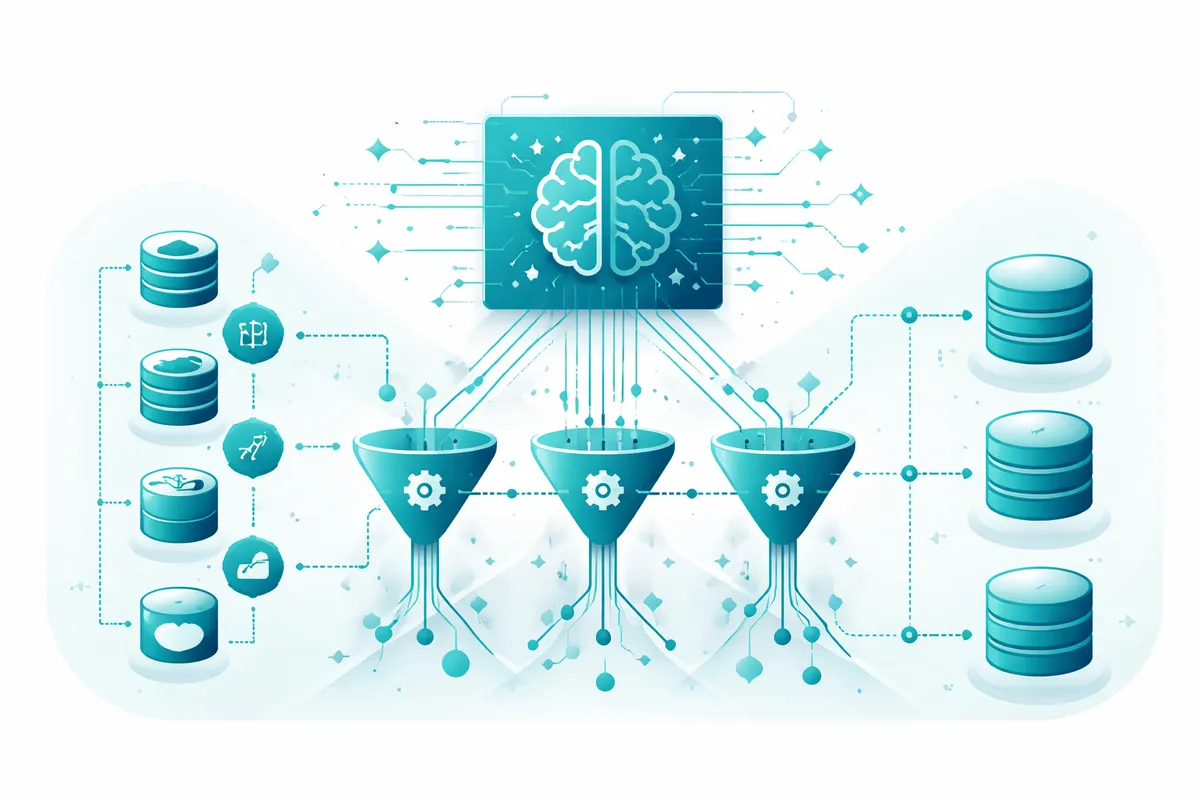
We audit every tool your business uses and map where data gets stuck, duplicated, or lost. Then we build automated connections between your core systems. For a retail business near Englewood Square, that means your in-store POS and online shop share the same inventory count in real time, so a customer never orders something that sold out an hour ago. For a service provider near Ogden Park, it means client records stay synchronized across your scheduling platform, billing system, and CRM. We build error handling into every pipeline so it flags issues instead of silently breaking, and dashboards so you can see your connected data in one view.
What to Expect Working With Us
1. Tool audit and gap mapping. We document every platform your business uses and every place where data gets stuck or duplicated between them. This shapes the priority order for building connections.
2. Automated pipeline build. We build connections between your highest-impact systems first: usually POS to accounting, inventory to all sales channels, and customer records to marketing platforms. Each connection is tested before going live.
3. Unified dashboard setup. We configure a single reporting view that pulls from all connected systems, so you see your complete business picture without logging into multiple platforms.
4. Monitoring and ongoing expansion. Every pipeline includes error alerts. We expand to additional data sources as your tool stack grows and your reporting needs evolve.
Industries We Serve in Englewood
Retail shops along 63rd Street connect POS, inventory, and customer data into unified dashboards that update automatically. A clothing store can see which sizes sold out this week, which email subscribers have not visited in 30 days, and which products need reordering, all in one place instead of three separate logins. The real-time inventory connection prevents the overselling that damages customer trust and creates operational headaches when online orders cannot be fulfilled.
Healthcare providers connect patient management systems with billing, insurance verification, and appointment scheduling, eliminating the double-entry that creates billing errors and delays. When patient records, appointments, and billing are connected, the front desk stops spending time on reconciliation and starts spending it on patient service. Billing errors that created disputes get eliminated at the source rather than discovered weeks later.
Food businesses automate the flow of order data from DoorDash, Uber Eats, and walk-in tickets into a single kitchen view and accounting system. The nightly reconciliation of delivery platform receipts against in-house sales happens automatically, giving the owner a clean daily revenue picture every morning. Menu items that lose money after delivery commissions get identified within days of the pipeline going live rather than months later when the financial pattern finally becomes obvious.
Nonprofit organizations consolidate donor databases, volunteer sign-up sheets, grant reporting metrics, and program outcome data into a single source of truth. Grant compliance reporting time shrinks dramatically because data is continuously updated rather than retroactively compiled. Donor engagement patterns that were invisible when data lived in separate systems become clear in unified dashboards, enabling more targeted and effective fundraising communications.