How We Build Compliance Governance Systems for Englewood
Every compliance engagement begins with a funding landscape map. We work with your executive director and grants manager to document every active funding source: CDBG, city contracts, state grants, private foundations, individual donors with reporting requirements. For each source, we document the reporting requirements, outcome metrics, deadline schedule, and audit requirements. Most Englewood organizations discover during this mapping that their compliance obligations are even more complex than they realized, and that some reporting requirements overlap in ways that create opportunities for consolidated data collection.
We assess your current data infrastructure. Where does client intake information live? Where are employment outcomes tracked? What systems hold demographic data? How are program participation records maintained? Most Englewood nonprofits have this data in some combination of paper files, spreadsheets, and a client database that was never configured for funder reporting. We document the gaps between what is being collected and what each funder requires, and we design a collection system that closes those gaps without creating additional burden for program staff.
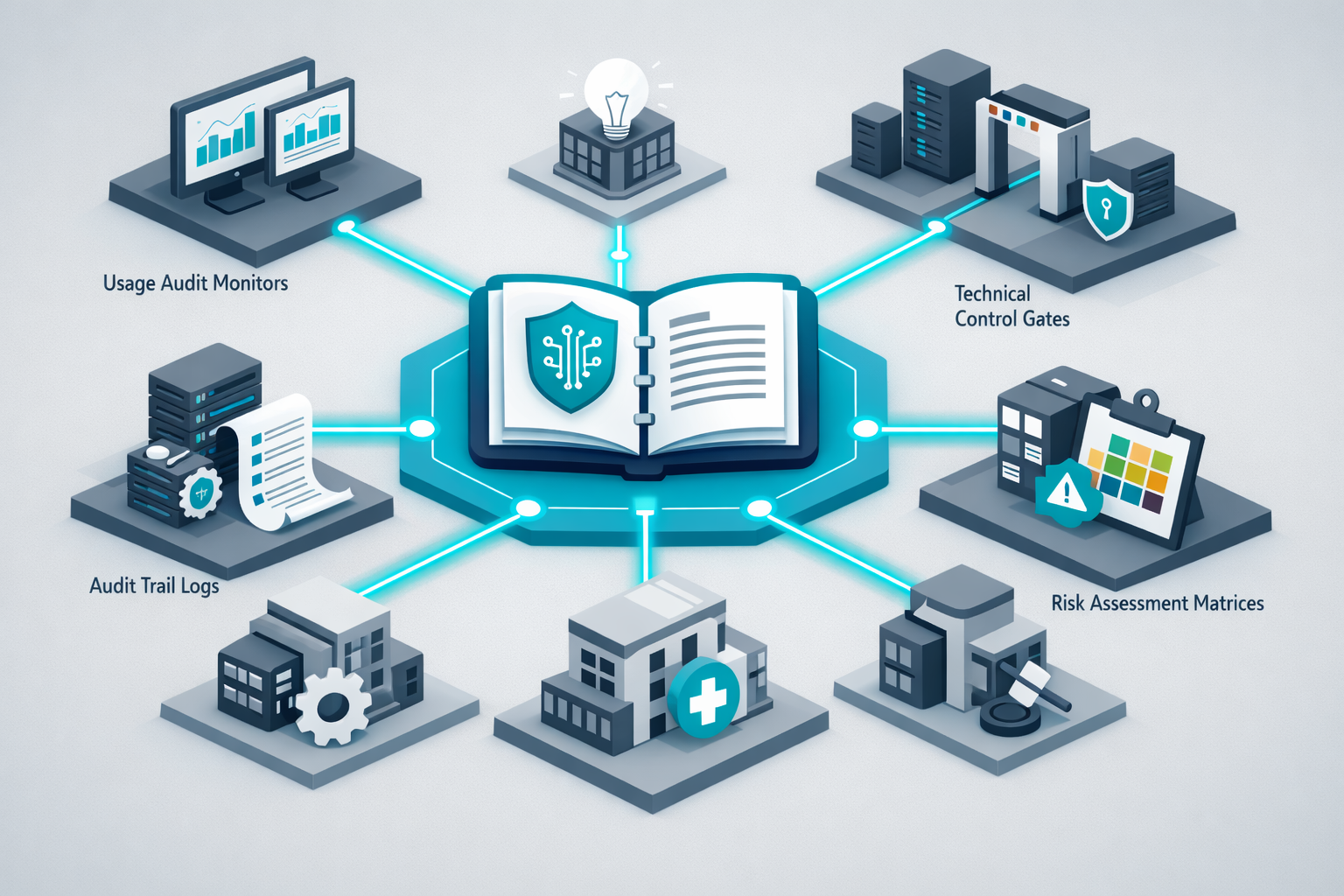
We design a data consolidation architecture that brings relevant data into a unified system where it is collected once and used for multiple reporting purposes. A client's demographic information is entered at intake. It populates every funder report that requires demographic data. Employment outcomes are recorded in the system when they occur. They populate every employment-related report automatically. The compliance system knows which data points each funder requires and assembles reports from the consolidated data source rather than requiring staff to manually compile from multiple places.
We configure automated deadline management and report generation. The system generates alerts thirty, fourteen, and seven days before reporting deadlines. When a deadline approaches, it generates the draft report, identifies any data gaps, and presents the near-complete report to staff for review and submission rather than starting from scratch. Staff role shifts from report builder to report reviewer, a transformation that typically reduces compliance time by sixty to seventy percent.
We train your team on the system before we leave. Every Englewood organization has staff with different technical comfort levels. We build training that meets people where they are: plain-language documentation, recorded walkthroughs, and direct support during the first two compliance cycles. The goal is a system your team owns and maintains, not a dependency on outside technical support for routine operations.
Industries We Serve in Englewood
Job training and workforce development programs use AI compliance governance to track client outcomes for CDBG, state, and city workforce funding. Employment placement rates, wage outcomes, retention data, and demographic reporting happen automatically rather than through monthly manual data gathering. Organizations affiliated with Kennedy-King College's workforce pipeline can demonstrate outcomes that justify continued public investment.
Community development nonprofits managing housing, economic development, and community facilities use compliance systems to track multiple federal and city funding streams with different project outcome requirements. Funder reports are generated automatically from unified project data. Organizations working along Garfield Boulevard and Ashland Avenue can demonstrate community impact across multiple program areas simultaneously.
Youth services organizations operating near Hamilton Park and Ogden Park use compliance systems to track youth participant outcomes, document program participation, and report to multiple funders with different demographic and outcome requirements. Program quality improves because data guides program decisions in addition to satisfying compliance requirements.
Community health clinics and health-focused nonprofits serving Englewood residents use compliance systems to track patient and client outcomes for public health funding, document service delivery, and maintain the compliance documentation required by healthcare funding sources. Health organizations working along 63rd Street can demonstrate service delivery impact in the formats public health funders require.
Faith-based community service organizations operating from churches along Garfield Boulevard and throughout Englewood use compliance systems to manage grant-funded programming, track community service outcomes, and maintain the documentation required by foundations and government funders. Congregations running community programs can build grant compliance infrastructure without hiring additional administrative staff.
Urban agriculture and food-focused community organizations like those affiliated with Growing Home use compliance systems to track employment outcomes for returning residents, document food production metrics, and report to the agricultural and workforce development funders that support their dual mission. Organizations with complex multi-mission mandates benefit from consolidated compliance architecture that serves all funders from one data system.
What to Expect Working With Us
1. Funding source audit and requirements mapping. We inventory every funding source, document compliance requirements and deadline schedules, and produce a comprehensive compliance calendar. This phase takes two to three weeks and typically reveals opportunities for consolidated data collection across funder requirements.
2. Data infrastructure assessment and consolidation plan. We assess your current data systems, identify gaps between what is being tracked and what funders require, and design a consolidation architecture that collects data once and serves multiple reporting purposes.
3. System design and integration. We design the compliance workflows, integrate with your existing client and program databases where possible, and configure automated deadline management and report generation. We document every design decision so your team understands why the system works the way it does.
4. Testing and deployment. We test the system against past reporting requirements, verify that generated reports match funder formats, and deploy with staff training on the new workflow. The first two compliance cycles run with active support so we can catch anything the testing did not surface.
5. Ongoing maintenance and funder updates. When new funding sources arrive, we add them to the compliance system. When funder requirements change, we update the system. Compliance management becomes a standing capability rather than a recurring crisis.