How We Build Multi-Agent Systems for Edgewater
We start with a workflow analysis. What complex, multi-step workflow is currently handled by multiple people or one person spending significant time on sequential tasks? For a hospitality business, that might be the guest personalization workflow from check-in through checkout and follow-up. For a professional service firm along Clark Street, that might be the client research and proposal workflow from initial inquiry through proposal delivery.
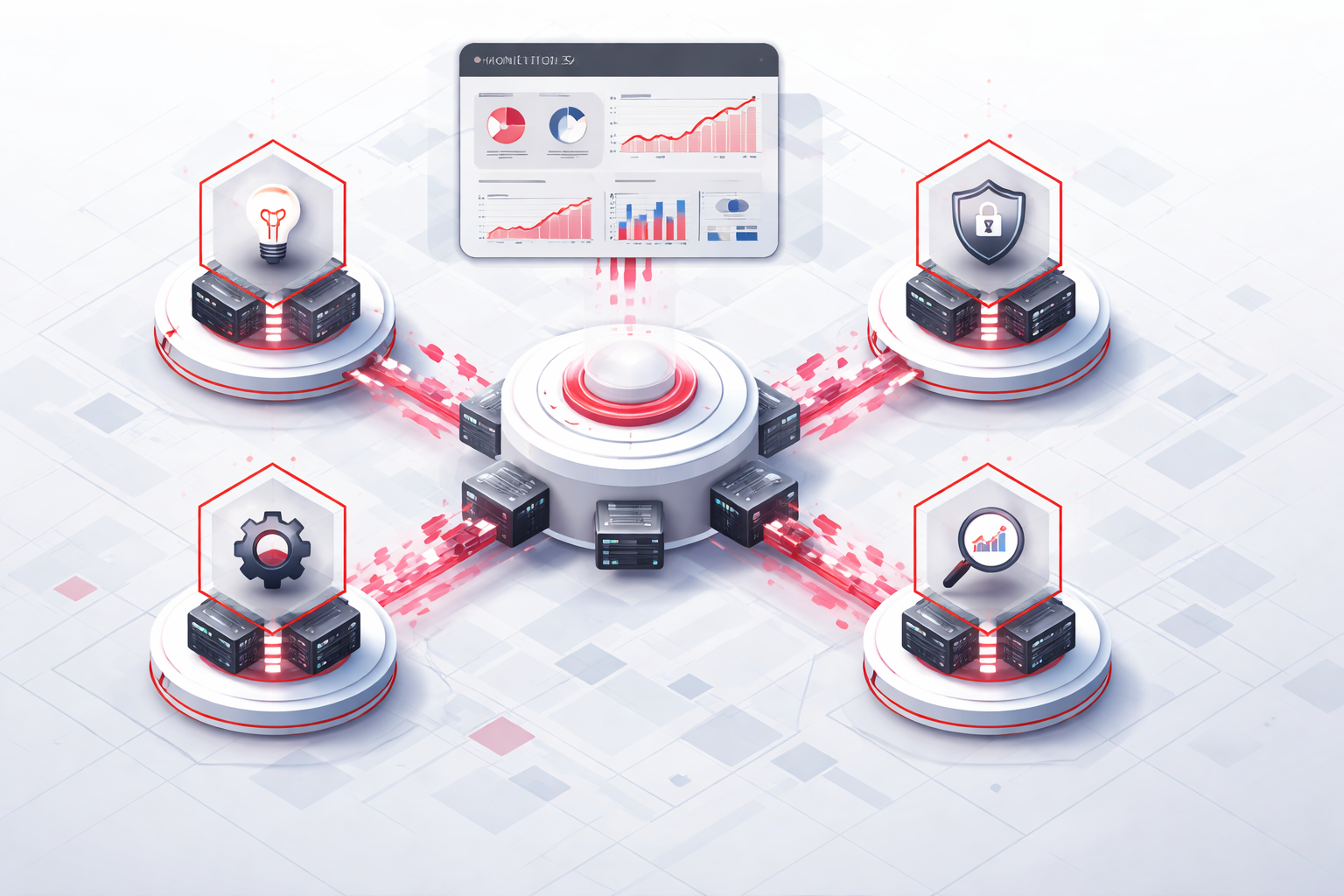
We design agent roles based on the workflow steps. Rather than building one AI that tries to do everything, we build specialized agents that each do one thing well. A research agent excels at finding and synthesizing information from specific sources. A creative agent excels at generating recommendations or content based on research inputs. An execution agent handles logistics and coordination. The specialized agents outperform a general agent on their specific tasks.
We build orchestration logic that coordinates the agents. The orchestrator specifies which agents run in what order, how outputs pass from one agent to the next, what quality thresholds must be met before output advances, and when the system should escalate to a human for judgment. Good orchestration is what distinguishes a multi-agent system that reliably produces high-quality outputs from one that produces inconsistent results.
Integration with your existing systems allows agents to access real data rather than working from scratch. A guest research agent that can access your hotel's reservation system sees the guest's historical preferences, past complaints, and documented special requests. A real estate research agent that can query the MLS produces market analysis grounded in current data.
Industries We Serve in Edgewater
Lakefront hotels and hospitality businesses near Edgewater Beach Apartments use multi-agent systems to research guest preferences, discover matching Chicago and lakefront experiences, curate personalized itineraries, and coordinate experience delivery. Guests receive recommendations that feel personally researched because agents actually researched them.
Travel and concierge services along Sheridan Road use multi-agent systems to handle the research and synthesis that personalized travel planning requires at scale. Agents research client preferences, identify matching destinations and activities, curate itineraries, and manage logistics. Concierges focus on client relationships.
Fine dining and upscale restaurants along the Edgewater corridor use multi-agent systems to research regular guests' documented preferences, curate in-service recommendations that feel personally tailored, and coordinate special occasion details. The intimate knowledge of regular guests that defines a great restaurant experience is supported by agents that surface the right information at the right moment.
Professional services firms along Granville Avenue use multi-agent systems to handle client research, market analysis, and document synthesis that supports complex client engagements. Partners and senior staff focus on strategy and client relationships. Agents handle the research and analysis that produces the foundation for that work.
Real estate offices near Edgewater Beach Apartments use multi-agent systems to research buyer and renter preferences across past interactions, identify matching properties from MLS data, curate property presentations, and coordinate showing schedules. Agents surface the right listings at the right time without agents manually reviewing every new listing against every client profile.
Event planning and corporate hospitality businesses in the Edgewater corridor use multi-agent systems to research event requirements, identify vendor options, curate event concepts, and coordinate logistics. Planners focus on client relationships and creative direction. Agents coordinate the vendor research and logistics complexity.
What to Expect Working With Us
1. Workflow analysis and agent design. We map your current complex workflow, identify the coordination and research tasks that agents can handle, and design specialized agent roles. We produce a system design for your review before building anything. This phase takes two to four weeks.
2. Agent development and orchestration build. We build specialized agents and the orchestration layer that coordinates them. We develop quality gates and escalation logic. We integrate with your existing systems. This is the longest phase: typically eight to fourteen weeks depending on workflow complexity.
3. Integration, staff training, and pilot. We integrate the multi-agent system into your staff workflow, train the team on how to interact with the system and interpret its outputs, and run a supervised pilot. Staff approval and escalation procedures are established during this phase.
4. Optimization and expansion. We monitor system performance and refine agent coordination based on real-world usage. Most multi-agent systems improve significantly in the first ninety days. Successful initial systems are often expanded to additional workflows.