How We Build Conversion Optimization for Edgewater
The engagement begins with a conversion audit. We analyze your current website's performance data: where visitors arrive, how they navigate, where they exit without converting, and what the current conversion rate is for each meaningful action. For a medical practice on Bryn Mawr Avenue, meaningful actions include appointment request form submissions, click-to-call interactions, and directional map views. For a restaurant on Broadway, meaningful actions include online reservation completions, menu views, and phone number clicks.
The audit identifies the highest-leverage conversion barriers: the specific points in the website experience where visitors most often abandon without taking action. These might be a confusing appointment request form, a menu that does not display correctly on mobile phones used by Sheridan Road pedestrians, an absence of the specific cultural context information that Edgewater's diverse audience needs to feel confident, or a missing trust signal like patient testimonials or chef biography.
From the audit, we develop a conversion optimization plan prioritizing the changes with the highest expected impact. For most Edgewater businesses, the highest-impact changes involve mobile experience improvement, clearer calls to action above the fold, reduced friction in booking and contact forms, and the addition of community-specific trust content that speaks to Edgewater's specific audience segments.
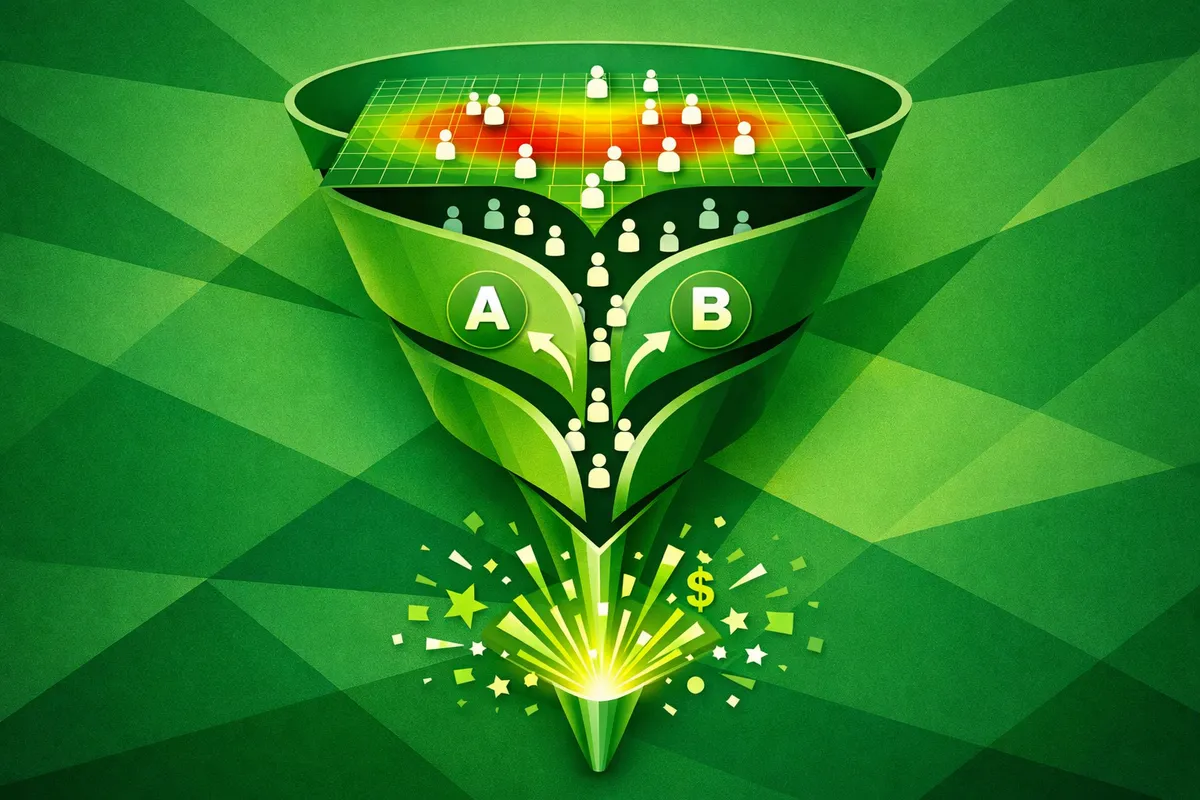
Testing validates that changes actually improve conversion before they become permanent. We use A/B testing where traffic volume supports it and apply best-practice changes directly where traffic volume is too low for statistical testing. We monitor conversion rate changes through a ninety-day observation period after each significant change.
Industries We Serve in Edgewater
Medical and dental practices on Bryn Mawr Avenue often lose potential patients at the appointment request stage because the process is confusing, the form is too long, or the website does not adequately establish the trust that new patients require. CRO for healthcare practices focuses on simplifying the appointment request pathway, adding the patient testimonials and staff information that build clinical trust, and including the multilingual content elements that establish trust with Edgewater's diverse patient community.
Ethnic restaurants and food businesses on Broadway and Granville Avenue often lose potential customers at the menu browsing stage because the menu does not provide enough cultural context for unfamiliar diners, or because the online ordering or reservation process has friction points that defeat the casual first-timer's decision. CRO for ethnic restaurants focuses on adding educational context that builds ordering confidence, simplifying the reservation and ordering pathways, and adding the food photography and cultural storytelling that converts browsers into first-time visitors.
Yoga studios and wellness businesses on Sheridan Road often lose potential members at the class schedule or pricing page because the schedule is hard to interpret or the pricing structure is confusing. CRO for wellness businesses focuses on schedule clarity, transparent pricing presentation, and the trial class or introductory offer pathway that converts curious visitors into committed first visits.
Specialty retail and boutique businesses along Clark Street and Bryn Mawr Avenue often lose potential customers because the product imagery does not convey what the buying experience will feel like, or because the online purchasing path has too many steps. CRO for retail focuses on product imagery quality, purchase path simplification, and the local authenticity signals that differentiate an Edgewater independent retailer from a national brand alternative.
Community nonprofits near Devon Avenue and throughout Edgewater often lose potential donors and volunteers because the website does not create urgency or does not make the donation or volunteer sign-up pathway clear. CRO for nonprofits focuses on impact storytelling, simplified donation and volunteer pathways, and the community trust signals that motivate Edgewater residents to support neighborhood organizations.
Professional services and healthcare specialists throughout the Edgewater corridor use CRO to convert website visitors into consultation requests, with specific attention to the professional credibility signals that Edgewater's educated audience evaluates when choosing a specialist.
What to Expect Working With Us
1. Conversion audit and barrier identification. We analyze your current website performance data, identify the specific conversion barriers that are most reducing your conversion rate, and prioritize the changes with the highest expected impact for your Edgewater business.
2. Optimization plan development. We develop a specific, prioritized plan of changes to your website's content, design, user experience, and trust signals. You review and approve the plan before any changes are made.
3. Implementation and testing. We implement the priority changes and, where traffic supports it, run A/B tests to validate that changes actually improve conversion. We track conversion rate changes through a ninety-day observation period.
4. Ongoing monitoring and refinement. We monitor conversion rates monthly and identify the next round of optimization opportunities as the initial changes stabilize. Conversion optimization is an ongoing process, not a one-time project.