How We Build Computer Vision for Edgewater
The design process begins with a visual operations assessment. We spend time at your Edgewater business observing the specific visual tasks currently performed by staff, the decision rules applied to those tasks, and the consequences when visual quality standards are not met. For a Broadway restaurant, that means observing the plating inspection workflow, understanding the cultural presentation standards specific to the cuisine, and identifying where inconsistency or volume exceeds reliable human inspection capacity.
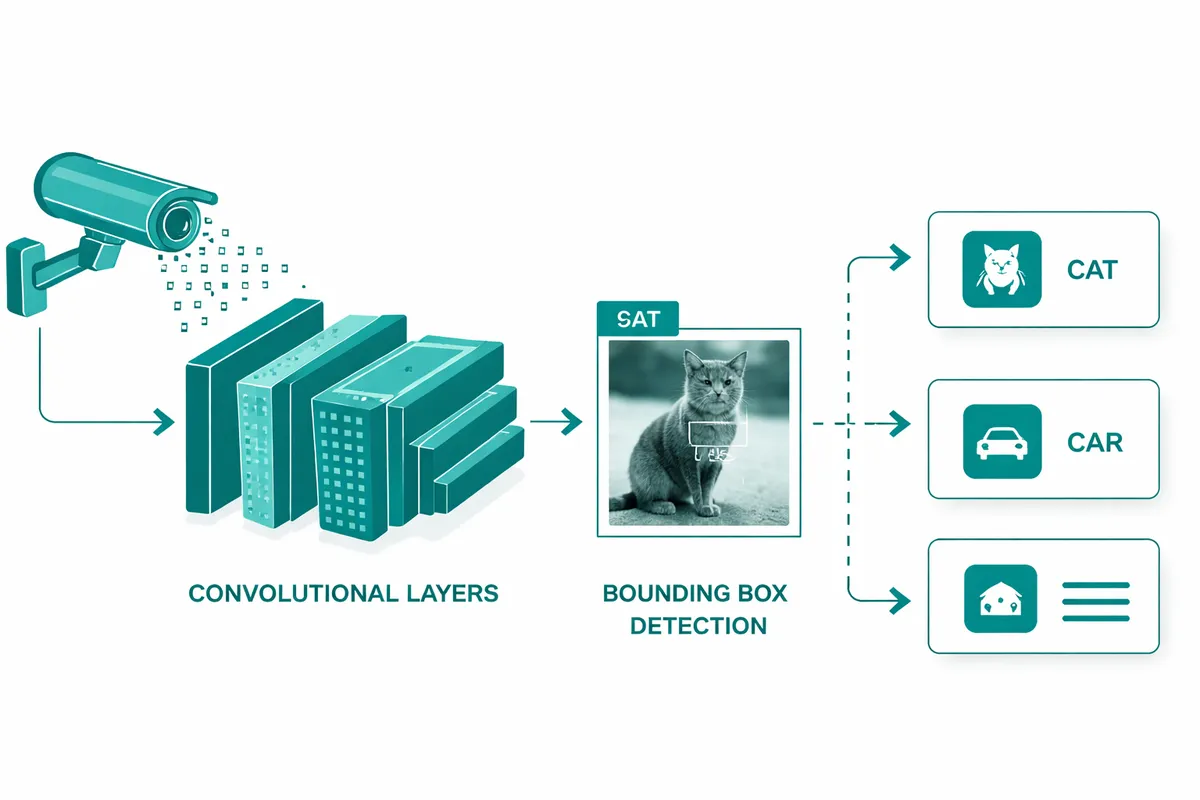
From the operations assessment, we define the computer vision system's scope: what it monitors, what criteria it applies, what alerts or data outputs it generates, and how it integrates with your existing operational systems. We also assess the camera and infrastructure requirements: where cameras must be positioned, what resolution and frame rate are required for reliable detection, and what processing approach matches your Edgewater business's physical layout and connectivity.
Model training follows the infrastructure assessment. For visual quality applications, we train models on labeled examples of passing and failing items specific to your standards. For an Edgewater ethnic restaurant, that means images of acceptable and unacceptable plate presentation according to the specific culinary tradition's standards. For a retail shelf monitoring application, it means images of fully stocked, partially depleted, and critically low shelf sections specific to your display configuration.
We deploy the system with dashboards and alert configurations that surface computer vision outputs to your Edgewater staff in formats that support operational decisions, not raw data outputs that require interpretation.
Industries We Serve in Edgewater
Ethnic restaurants and food businesses on Broadway and Granville Avenue represent Edgewater's most distinctive computer vision application. The visual presentation standards for Ethiopian, Middle Eastern, South Asian, and Southeast Asian cuisines are specific and learnable. A computer vision system trained on a Broadway Ethiopian restaurant's plating standards monitors presentation consistency across every dish without requiring the head chef's continuous presence at the pass. Data on failure rates and patterns identifies the specific plating steps where consistency most often breaks down.
Specialty retail and boutique businesses along Bryn Mawr Avenue and Clark Street use computer vision for shelf monitoring, display maintenance, and inventory accuracy. A gift boutique near Berger Park whose shelf monitoring system alerts staff when a curated display section falls below visual standard avoids the gradual display degradation that happens between manual restocking cycles.
Medical and dental practices on Bryn Mawr Avenue use computer vision for imaging quality review, document classification, and patient flow monitoring in waiting and treatment areas. A practice with computer vision document classification processes incoming patient paperwork at higher throughput and lower error rates than one processing documents manually.
Yoga studios and wellness businesses on Sheridan Road use computer vision for class occupancy monitoring, equipment condition tracking, and the studio environment quality checks that affect both member experience and safety compliance. Real-time occupancy data improves scheduling decisions for studios with multiple class formats and instructor assignments.
Community venues and event spaces near Devon Avenue and throughout Edgewater use computer vision for occupancy monitoring, crowd flow analysis, and the operational intelligence that improves event staffing and layout. A community center with accurate real-time occupancy data deploys staff more efficiently across its programs.
Professional services and healthcare specialists throughout the Edgewater corridor use computer vision for document processing, patient flow management, and the visual operational monitoring that improves service delivery efficiency.
What to Expect Working With Us
1. Visual operations assessment. We spend time at your Edgewater business observing the visual tasks, quality criteria, and failure modes that define your computer vision opportunity. This determines scope, model requirements, and infrastructure needs before development begins.
2. System design and infrastructure planning. We design the camera placement, processing architecture, and alert and dashboard systems. We specify exact infrastructure requirements and provide a complete implementation plan before the build begins.
3. Model training and deployment. We collect training data specific to your quality standards, train the computer vision models, validate accuracy, and deploy the system in your Edgewater business location.
4. Monitoring, model improvement, and support. We monitor system performance after deployment, collect staff feedback, and continuously improve model accuracy. Computer vision models improve with use. A system at eighty-five percent accuracy at launch reaches ninety to ninety-five percent within six months of systematic model refinement.