How We Build Autonomous Workflow Agents for Edgewater
The design process begins with a complete workflow mapping exercise. We document every operational workflow your Edgewater business runs from beginning to end: the sequence of steps, the decision points, the data inputs and outputs at each step, the human touchpoints, and the current failure modes where workflow gaps create problems. This mapping is the foundation for the agent architecture.
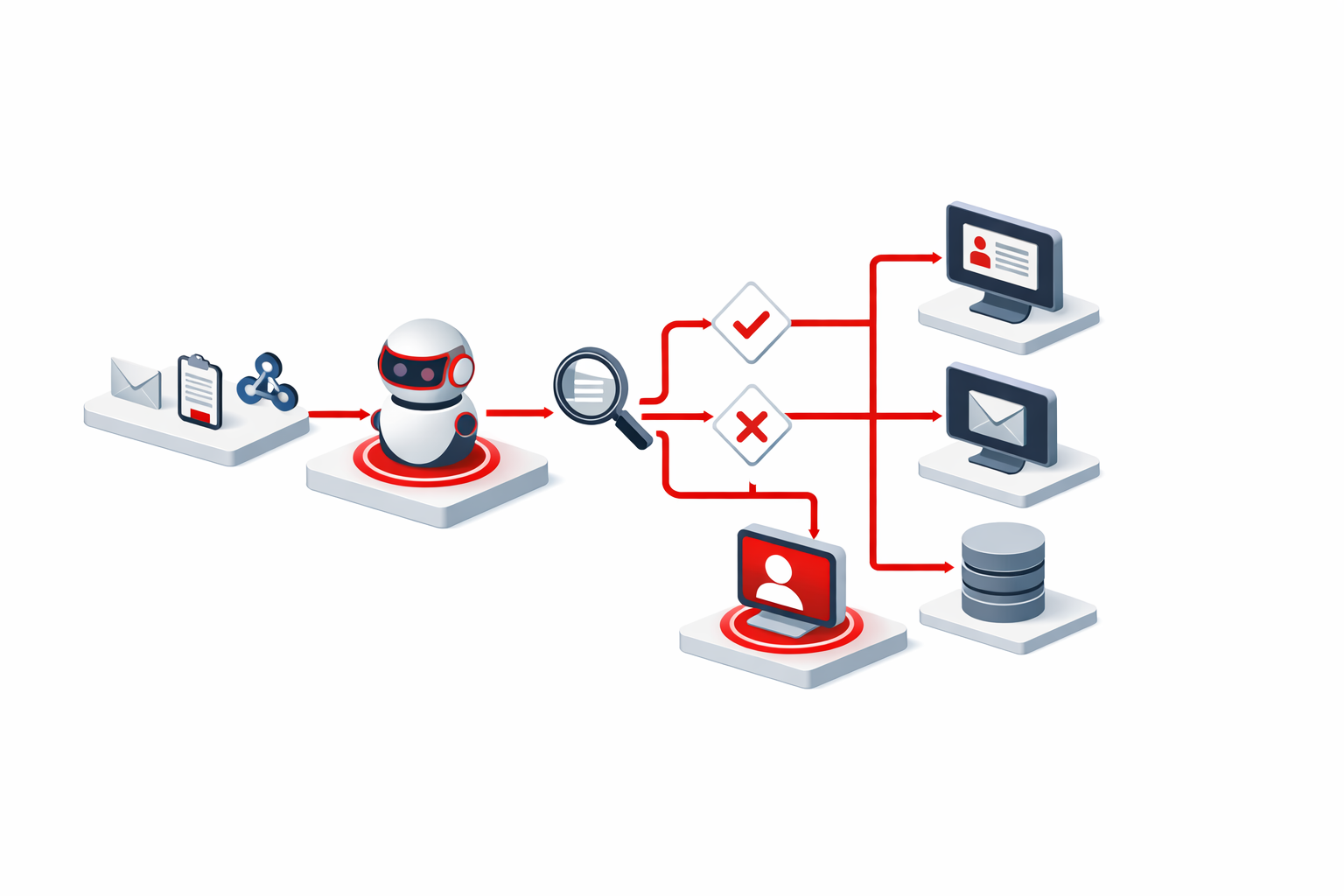
From the workflow map, we design the agent architecture: which agents handle which tasks, what data each agent receives and produces, how the orchestrator routes tasks and manages dependencies, and where human approval or judgment remains in the workflow. For a dental practice on Bryn Mawr Avenue, the new patient intake agent architecture might include an inquiry intake agent, an insurance verification agent, a scheduling agent, a multilingual communication agent, an intake form collection agent, and an orchestrator that sequences and routes across all five.
We build using tools and infrastructure appropriate to the scale and technical environment of your Edgewater business. Agent systems for a five-person dental practice look different from systems for a twenty-person restaurant group. We right-size the architecture to your actual operational complexity without over-engineering for complexity you do not need.
Testing is extensive before any agent touches a live customer interaction. We simulate the full workflow through representative scenarios, identify failure points, configure escalation pathways for situations outside the agent's handling scope, and validate that human override is fast and graceful when needed. For Edgewater businesses serving multilingual communities, we test the language routing logic across every language combination the system is configured to handle, ensuring that an Amharic-speaking patient who contacts a Bryn Mawr Avenue dental practice receives the same workflow quality as an English-speaking patient.
Industries We Serve in Edgewater
Dental and medical practices on Bryn Mawr Avenue use autonomous workflow agents for new patient intake orchestration, appointment cycle management, and the multilingual patient communication workflows that Edgewater's diverse patient population requires. A practice with autonomous intake agents never has a patient who falls through the gap between inquiry and scheduled appointment because one step in the intake process was not completed before the next was initiated.
Yoga studios and wellness businesses on Sheridan Road use workflow agents to coordinate the member acquisition workflow from trial class inquiry through membership sign-up, payment processing, class access provisioning, and new member onboarding. A studio with autonomous membership acquisition agents converts a higher percentage of trial class inquiries into paying members because the workflow executes completely without gaps.
Restaurants and hospitality businesses on Broadway and Granville Avenue use workflow agents for private event management, catering inquiry processing, and the operational coordination workflows that require multiple departments to act in sequence. A Broadway restaurant with autonomous event coordination agents ensures that every confirmed private event reaches the kitchen, the front-of-house team, and the event coordinator with consistent information and no manual coordination handoffs.
Community nonprofits near Devon Avenue and throughout Edgewater use workflow agents for grant application management, volunteer coordination, program enrollment, and the multilingual community outreach workflows that serving Edgewater's diverse population requires.
Specialty retail and service businesses along Bryn Mawr Avenue and Clark Street use workflow agents for customer acquisition workflows that span inquiry intake, product consultation scheduling, order processing, fulfillment, and follow-up.
Professional services firms in the Edgewater corridor use workflow agents for client intake orchestration, document collection and processing, deadline management, and the internal work routing that ensures each client matter is handled consistently.
What to Expect Working With Us
1. Workflow mapping and agent architecture design. We document your Edgewater business's operational workflows completely and design the agent architecture that coordinates them. This phase takes three to five weeks and produces a blueprint before we build.
2. Agent build and integration. We build each agent in the system, configure the orchestrator logic, and integrate with your existing scheduling, billing, communication, and data systems. Build time runs six to twelve weeks depending on workflow complexity.
3. Simulation testing and refinement. We run extensive simulated workflow testing before any agent handles a live customer interaction, identifying edge cases, failure modes, and escalation scenarios, then configuring appropriate handling for each.
4. Monitored launch and optimization. We monitor the live system through the first sixty days of operation, adjust agent behavior based on real workflow data, and optimize coordination logic as patterns emerge.