How We Build AI Data Pipelines for Edgewater
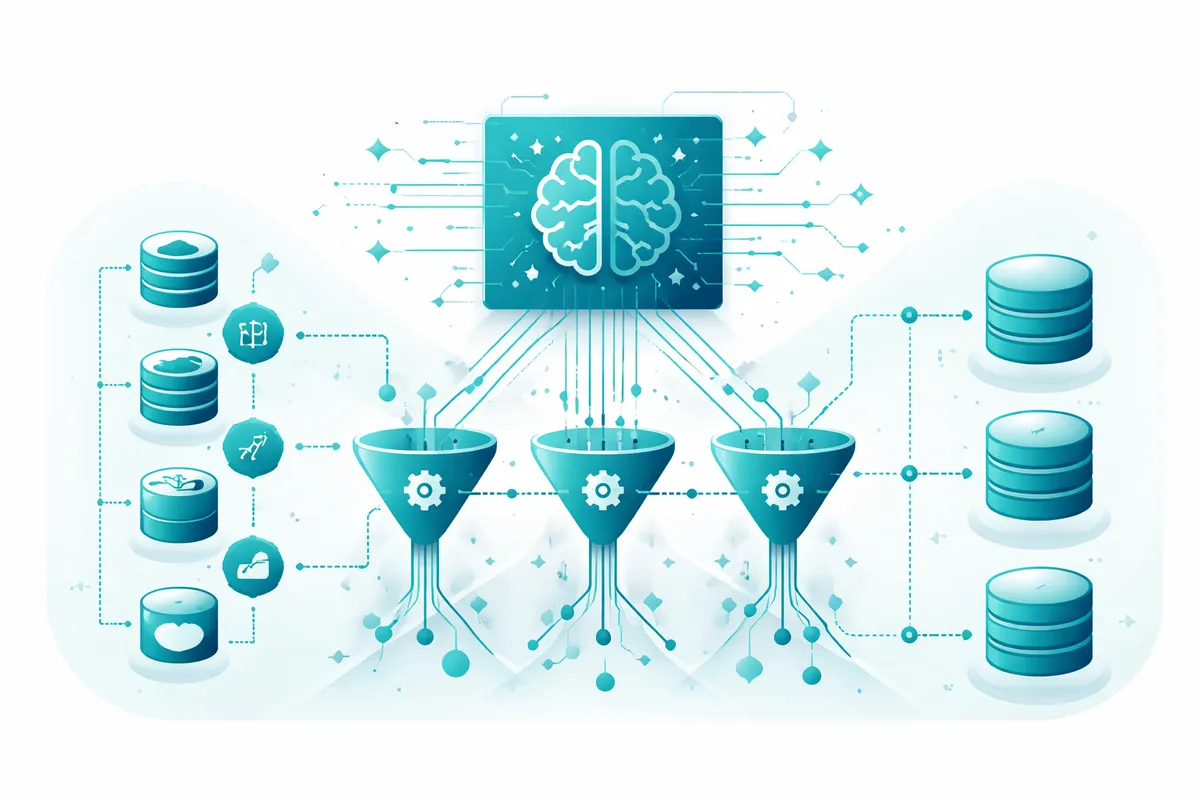
The engagement begins with a systems inventory. We document every software system and data source your Edgewater business uses: point-of-sale, scheduling, billing, CRM, marketing platforms, inventory management, and any custom spreadsheets or databases. For each system, we assess what data it holds, what data it needs from other systems, and what integration capabilities it exposes through APIs or export functions.
From the systems inventory, we design the pipeline architecture: which systems need to exchange data, how frequently, in what format, and with what transformation logic. A dental practice that needs patient scheduling data to flow into its recall communication system needs a different architecture than a restaurant that needs daily sales data to flow into its inventory replenishment model.
We build the pipeline connections using the integration approaches available for your specific systems. For cloud-based software with published APIs, we build direct API integrations that push and pull data in real time or on a scheduled basis. For legacy systems without APIs, we build file-based pipelines that process scheduled exports. For systems that need custom data transformation, we build the logic that converts data from one format into another before passing it downstream.
We test every pipeline against real data before moving it to production. A billing integration that mixes up patient records causes significant operational problems. We validate data accuracy at every transformation step and monitor pipeline health through the first weeks of production operation.
Industries We Serve in Edgewater
Dental and medical practices on Bryn Mawr Avenue and along Broadway use AI data pipelines to connect scheduling systems with billing platforms, recall communication tools, and patient satisfaction tracking. Eliminating manual data transfer from scheduling to billing alone can recover three to five staff hours per week at a typical Edgewater dental practice, while reducing billing errors that delay insurance reimbursements.
Ethnic restaurants and cafes on Clark Street and Broadway use AI data pipelines to connect point-of-sale data with inventory management, reservation platforms, and accounting systems. A restaurant whose sales data flows automatically into its inventory model can identify which menu items are depleting specific ingredients faster than expected and adjust ordering before running out during a busy weekend service.
Yoga and wellness studios near Berger Park and along Granville Avenue use AI data pipelines to sync member attendance data with marketing platforms, billing systems, and retention analytics. A studio whose class attendance data automatically flags members with declining visit frequency can trigger a re-engagement campaign before those members cancel, rather than discovering the drop at renewal time.
Real estate offices along Sheridan Road and near the Edgewater Beach Apartments use AI data pipelines to aggregate showing activity, client communication history, and market data into a unified view. An agent whose data pipeline pulls listing activity, client touchpoints, and transaction stages into a single dashboard makes faster and better-informed decisions than one managing the same information across four separate tools.
Specialty retailers and boutiques on Granville Avenue and Clark Street use AI data pipelines to connect point-of-sale data with inventory management, supplier ordering, and email marketing platforms. A gift shop or specialty food retailer whose inventory levels automatically update in the system that generates reorder suggestions carries less overstock and fewer stockouts than one managing inventory with periodic manual counts.
Professional services firms serving Edgewater clients use AI data pipelines to synchronize client information across CRM, billing, and project management systems. A law office or accounting practice whose engagement data flows automatically from its time-tracking system into its billing platform and client communication tools eliminates manual reconciliation that consumes attorney and accountant time every billing cycle.
What to Expect Working With Us
1. Systems inventory and integration assessment. We document all the software systems and data sources your Edgewater business uses, assess their integration capabilities, and identify the data flows that would produce the highest operational value. This phase produces a prioritized integration roadmap before any development begins.
2. Pipeline architecture and data mapping. We design the pipeline connections, define the data transformation logic for each flow, and specify the error handling and monitoring approach. For businesses with complex multi-system integration requirements, this design phase includes a technical specification review before development starts.
3. Pipeline development and integration testing. We build the pipeline connections, configure transformation logic, and test every flow against real data in a staging environment. Integration testing validates both data accuracy and pipeline reliability before production deployment.
4. Production deployment and monitoring. We deploy the pipelines to production, configure monitoring alerts for pipeline failures or data anomalies, and review pipeline health through the first four weeks of operation. We document the monitoring approach so your Edgewater business team can identify and escalate pipeline issues independently.