How We Build UI/UX Design for East Garfield Park
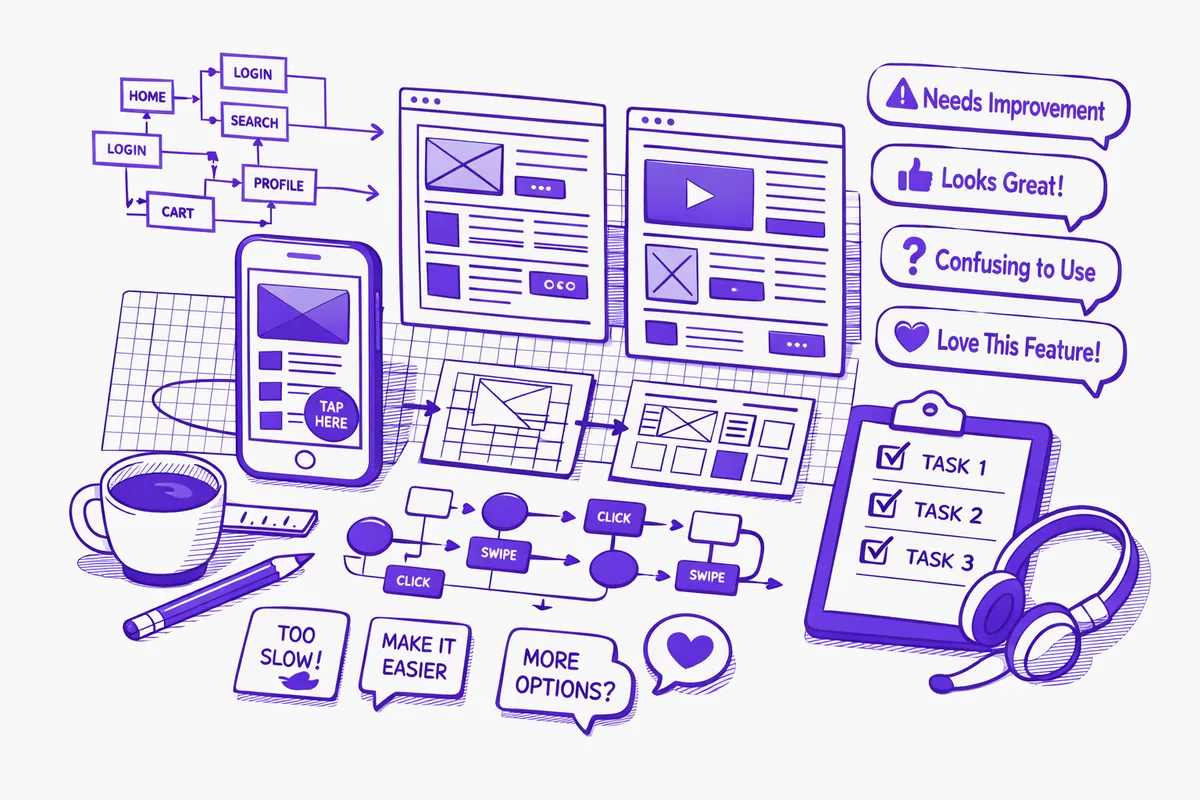
East Garfield Park work begins with user research that takes the operational context seriously. For a Hatchery food entrepreneur, this means observing how wholesale buyers actually navigate the ordering process, what information they need before they commit, and where they drop off. For a community nonprofit on Washington Boulevard, this means interviewing the residents who use its services, not just the program directors who run them, to understand where the current intake process creates confusion or abandonment.
Information architecture for East Garfield Park products reflects the mental models users bring from their actual context. A food business ordering interface should match the purchasing language that restaurant buyers use, not the inventory language the supplier uses internally. A nonprofit intake form should follow the sequence of questions a resident is prepared to answer, not the sequence that makes the data easiest to process on the backend. Matching the user's mental model requires research before the first wireframe, and we do not skip that step.
Prototyping and testing with representative users before development begins is standard in every engagement. For East Garfield Park products, this often means testing with community members at the Hermosa branch library or through Hatchery networks, recruiting participants who match the actual user population rather than a convenience sample. Testing surfaces the navigation decisions and label choices that are obvious to the product team and invisible to actual users. Catching those issues in a prototype costs nothing. Catching them after launch costs everything.
Industries We Serve in East Garfield Park
Food and Beverage Entrepreneurs. Hatchery Chicago tenants and graduates building direct-to-consumer and wholesale channels need ordering interfaces, brand websites, and customer portals designed with the food buyer's actual journey in mind. We design for the specific context of food commerce on Chicago's West Side, where buyers range from individual consumers to restaurant and grocery procurement teams with distinct expectations.
Community Health Organizations. Clinics and community health providers serving East Garfield Park residents need patient and client-facing interfaces that work across devices and literacy levels. Patient portals, appointment scheduling, and care coordination tools designed for populations who need working digital experiences, not polished ones that require technical confidence to navigate.
Nonprofit Program Managers. Organizations operating workforce development, education, and social services programs need intake tools, scheduling systems, and participant communication interfaces designed for the reality of community service delivery. The tools that program staff use every day deserve the same design rigor as consumer products.
After-School and Youth Programs. East Garfield Park's concentration of youth-serving organizations near the Garfield Park Fieldhouse needs registration, attendance tracking, and family communication interfaces designed for parents managing multiple children's schedules across multiple programs with minimal time to spare.
Community Development Organizations. Neighborhood advocacy and development groups working on housing, economic development, and community planning need public-facing digital tools that communicate clearly to residents who are not already invested in the work. Project trackers, community feedback tools, and event registration interfaces for organizations building public trust through digital access.
Retail and Local Commerce. Small retailers and service businesses along Madison Street and Lake Street serving the East Garfield Park community need e-commerce, booking, and service interfaces that work for customers who interact with local businesses primarily on their phones. Mobile-first design for the commercial corridor's actual digital context.
What to Expect Working With Us
1. User research before wireframes. We interview and observe real users from East Garfield Park's business and community context before we design anything. For food entrepreneurs, this means talking to actual buyers. For nonprofits, this means talking to actual service recipients. The findings from research determine what to design, not what we assumed at the start.
2. Information architecture and low-fidelity wireframes. Structure before surface. We design how content is organized, how navigation flows, and how tasks are sequenced in wireframe form before committing to visual design. This phase is fast, inexpensive, and reveals structural problems before they are expensive to fix.
3. High-fidelity design and interactive prototypes. Pixel-level interfaces built in Figma, including interactive prototypes that let stakeholders and test users experience the product before a line of code is written. East Garfield Park organizations can review and test designs with community members before committing to development.
4. Usability testing and iteration. We test prototypes with users who match the target population, incorporate findings, and deliver final designs that reflect what testing showed works. Developer handoff includes annotated Figma components, interaction specifications, and documentation that builds what was validated, not what was assumed.