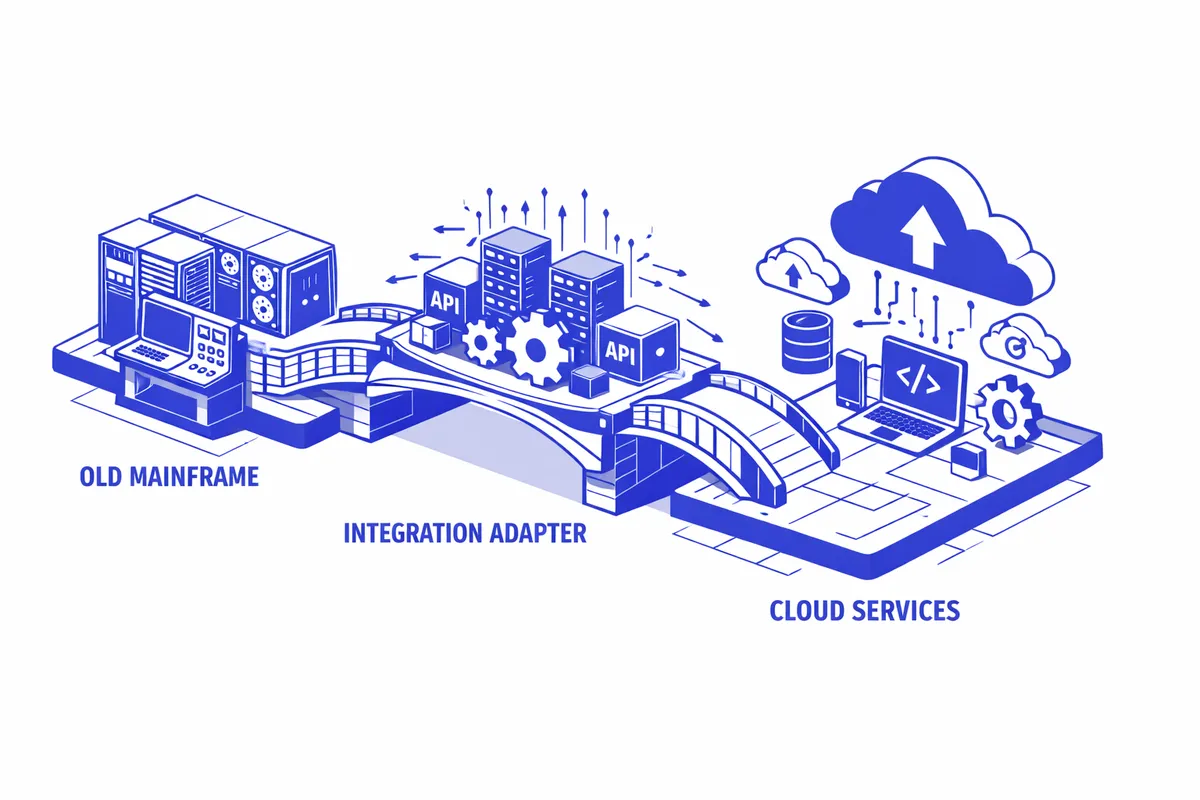
How We Modernize Legacy Systems for East Garfield Park
For community organization clients, the modernization approach begins with a funder mapping exercise: we document every active funding relationship, the reporting requirements each imposes, and the degree to which the current system supports those requirements. This mapping produces a ranked list of the data pain points that are most costly in staff time and most risky in terms of funder compliance. The migration design addresses those pain points in priority order.
For Hatchery food business clients, the approach begins with a production and financial data inventory. We document what is tracked in the spreadsheet or legacy system, identify the specific connections to accounting and ordering that are missing, and design a migration to a modern food business operations platform that handles those connections natively. The production records and customer order history in the spreadsheet migrate to the new platform so the business does not start from zero on historical data.
Data quality remediation is built into every East Garfield Park project because both nonprofit databases and food business spreadsheets accumulate years of inconsistent data entry. We address the quality problems in the migration process rather than delivering a messy data set to the new system and leaving the organization to clean it up.
The Garfield Park Conservatory draws community members throughout the year, creating seasonal patterns that affect the nonprofit programs and small businesses in the neighborhood. Migration timing accounts for those seasonal patterns so the organization is not managing a major system transition during its highest-activity period.
Industries We Serve in East Garfield Park
Community Development Nonprofits: Community development organizations along Madison Street and Washington Boulevard manage program records, donor relationships, and grant compliance data in legacy systems. We migrate that data to modern platforms with the reporting capabilities that community development funders require.
Food Businesses at Hatchery Chicago: Food entrepreneurs scaling from Hatchery Chicago's kitchen incubator to regional distribution manage production, inventory, and customer order data in legacy or manual systems. We migrate that operational data to modern food business platforms that connect production, inventory, and accounting in a single integrated system.
After-School and Youth Programs: Youth-serving organizations near Garfield Park Fieldhouse manage enrollment, attendance, and outcome data in legacy systems that cannot produce the outcome reports current funders require. We migrate program records and configure reporting infrastructure around funder requirements.
Community Health Organizations: Health outreach and community health organizations serving East Garfield Park families manage client records and program outcome data in legacy systems. We modernize those systems with the reporting connections that community health funders and government contractors require.
Barbershops and Small Businesses: Neighborhood businesses along Madison Street and Lake Street manage customer relationships and appointment scheduling in legacy or manual systems. We migrate customer data to modern booking and CRM platforms that support the client communication tools these businesses need.
Churches and Faith Organizations: Faith communities on Madison Street and Washington Boulevard manage congregation records, community program participants, and financial records in legacy systems. We migrate those records to modern platforms that the organizations can maintain independently.
What to Expect Working With Us
1. Funder and Operational Requirements Mapping: For nonprofits, we map active funder reporting requirements before designing the new system. For food businesses, we map the production and financial data connections that the business needs to operate efficiently. Both mappings drive the system design rather than the migration following the system selection.
2. Spreadsheet and Legacy Database Extraction: Many East Garfield Park organizations have operational data in spreadsheets, Access databases, or legacy nonprofit platforms. We extract and normalize that data using our established toolkit for each format type, handling the quality issues as part of the migration rather than as a precondition.
3. Reporting Infrastructure Setup: For nonprofits, the migration is not complete until the new system is producing the reports the organization actually submits to funders. We configure, test, and validate key funder reports before the legacy system is retired.
4. Capacity-Appropriate Training: We train East Garfield Park organization staff at the level of sophistication they have, not at the level of a technology-fluent user. Training materials are designed for staff who may not have a technology background and for the staff turnover reality of community organizations.