How We Build Customer Portals for East Garfield Park
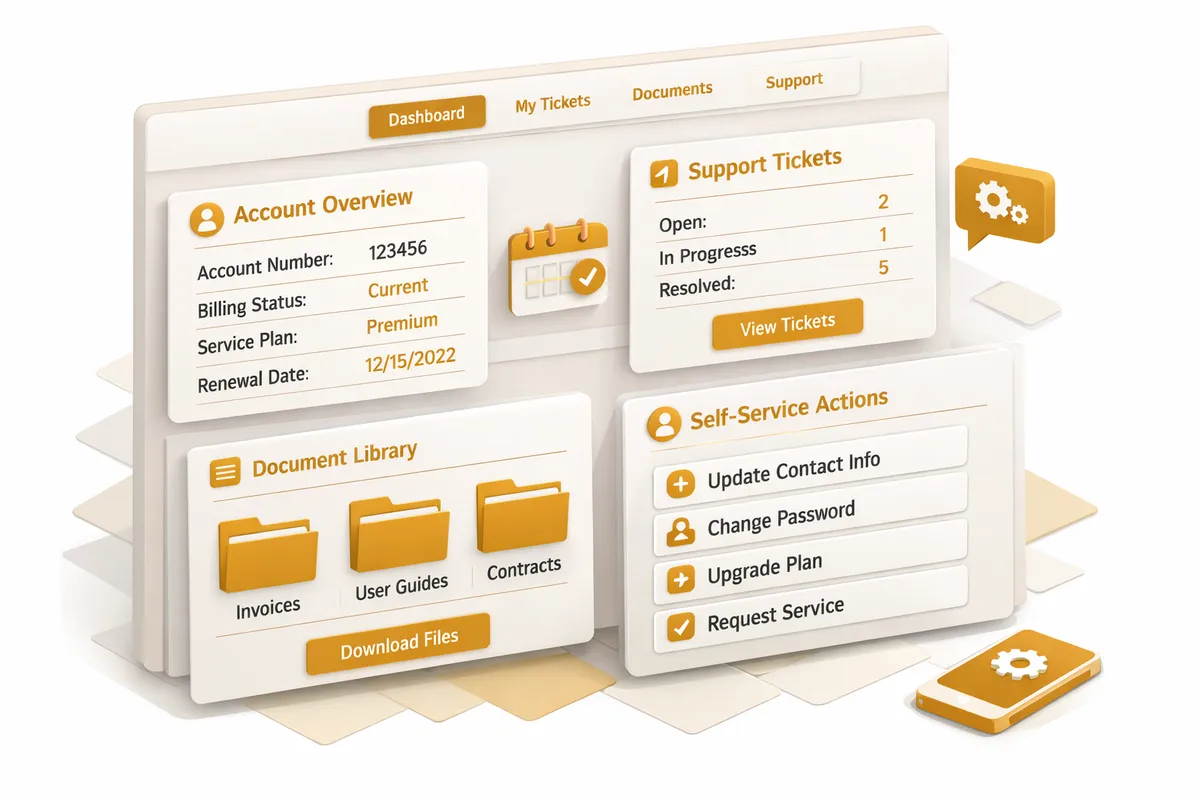
Food business portals for Hatchery Chicago alumni and East Garfield Park food entrepreneurs begin with the wholesale buyer relationship. The core functions are product catalog with current availability, order placement and history, delivery scheduling, invoice access and download, product documentation (spec sheets, nutritional information, certifications), and account communication. For food businesses with multiple product lines or seasonal offerings, the catalog structure must accommodate the way the product line actually works, including seasonal availability flags and lead time requirements for made-to-order items.
Food safety documentation is a specific requirement for food business portals serving grocery and foodservice buyers. Buyers in regulated retail and foodservice channels require current copies of food safety certifications, allergen statements, and in some cases third-party audit documentation. A portal that maintains these documents in the buyer's account and sends notifications when documents are updated or approaching expiration reduces the back-and-forth that buyers otherwise initiate to keep their vendor files current.
For community nonprofits and development organizations, portal design starts with the user populations: program participants, individual donors, institutional funders, and partner organizations. Each of these user types needs a different view of the organization's data. We design role-based access architectures that give each user type the specific view they need without requiring separate systems for each relationship type.
Mobile-first design is essential for East Garfield Park community portals. Green Line access along Lake Street means that participants and donors in this neighborhood are often accessing services on the go. Portal performance on mobile devices and cellular connections is a design requirement.
Integration with the accounting, order management, and nonprofit management platforms East Garfield Park's organizations use connects the portal to live data without manual updates. For food businesses, this means connecting to the invoicing and inventory system they already use. For nonprofits, this means connecting to the donor management or case management system that tracks the relationships the portal is serving.
Industries We Serve in East Garfield Park
Food and beverage businesses at the Hatchery Chicago on Lake Street build wholesale buyer portals that give grocery, restaurant, and specialty retail accounts access to product catalogs with current availability, order placement and history, delivery confirmation, invoice access, food safety documentation, and direct communication with the producer. For Hatchery alumni who have moved into regional distribution, the portal scales with the account base without requiring proportional increases in administrative staff.
Community development and housing organizations along Madison Street and Washington Boulevard use portals for tenant and resident self-service access, including lease document access, rent payment history, maintenance request submission and tracking, and development program status. For organizations managing both rental housing and community development programs, the portal can serve both functions within the same platform organized by the individual's relationship to the organization.
Workforce training and economic development organizations near the Garfield Park Fieldhouse and along Kedzie Avenue build participant portals for program schedule access, attendance records, skills assessment results, completion documentation, and employer referral status. For workforce programs that coordinate with Hatchery Chicago and local food businesses on job placement, the portal can support the referral relationship between the training program and the employing business.
Nonprofit funders and community foundations supporting East Garfield Park organizations provide grantee portals for grant status tracking, reporting submission, budget documentation, and program milestone communication. For funders managing multiple grants to West Side organizations, a portal that gives grantees organized access to their grant requirements and deadlines reduces the administrative friction that delays reporting and compliance.
Urban agriculture and community food businesses near Garfield Park Conservatory and along Central Park Avenue use portals for community-supported agriculture (CSA) subscriber management, bulk order access, and wholesale invoice management. For food businesses that operate both a community-facing CSA or farm stand and a wholesale side, the portal can manage both customer types within the same platform with differentiated views.
Arts and cultural organizations near Garfield Park Conservatory use portals for membership management, event registration, class enrollment, and donor engagement. For cultural organizations that host programs at the Conservatory or in East Garfield Park community spaces, a portal that consolidates event registration, membership benefits, and giving history gives members and supporters a clear and organized view of their relationship with the organization.
What to Expect Working With Us
1. Food business wholesale portal scoping. For Hatchery Chicago alumni and other East Garfield Park food businesses, we design the wholesale buyer portal scope based on the specific product line structure, ordering patterns, and documentation requirements of the business. We consult with you on the buyer account types you serve, from independent restaurants to grocery chain buyers, and design the portal to serve the full range.
2. Food safety document management architecture. For food businesses serving regulated retail and foodservice buyers, we design the document management structure for food safety certifications, allergen statements, and third-party audits. Document expiration tracking and buyer notification workflows are built in from the start, not added as an afterthought.
3. Mobile-first community organization portal design. For nonprofits and community organizations, portal design begins with the mobile experience because that is the primary access point for participants and donors in East Garfield Park. We test on the device types and connection speeds representative of the community before launch.
4. Phased build appropriate for small organization budgets. East Garfield Park's food businesses and nonprofits operate at scales that require portal costs to be proportionate. We design phased implementations that start with the highest-value functions and add scope in subsequent phases. A food business can launch with a wholesale order and invoice portal and add product documentation management in a second phase. A nonprofit can launch with donor and participant portals and add partner organization features when the first phase demonstrates its value.