How We Build Autonomous Workflow Agents for East Garfield Park
East Garfield Park deployments are designed with the resource constraints of community organizations as a first-class requirement. We do not design systems that require dedicated technical staff to maintain, or that depend on expensive platforms that exceed an organization's technology budget. The agent architecture uses tools that can be maintained by existing staff with basic technology comfort and that cost proportionally to the value they provide.
We prioritize the workflows with the highest consequence for the organization's mission or the food entrepreneur's viability. For a nonprofit near Garfield Park, the highest-consequence missed task is typically a grant reporting deadline or a funder communication cycle. We build those agents first. For a Hatchery tenant, the highest-consequence gap is typically customer order management and communication. We build those agents first.
Mission-appropriate language is built into every East Garfield Park deployment. The autonomous agents that represent a community nonprofit to its participants and funders need to reflect the organization's voice and values. A generic automation platform template is not appropriate for an after-school program communicating with the parents and families of the children it serves. We configure agent outputs using the organization's existing communication language and the specific relationships it has built with its community.
We include staff training as part of every deployment. The staff members who work for East Garfield Park community organizations are not technology professionals, and the agent systems need to be understandable, monitorable, and adjustable by the people managing them. Training focuses on how to read agent outputs, how to catch situations where an agent is not handling something correctly, and how to contact us when something needs adjustment.
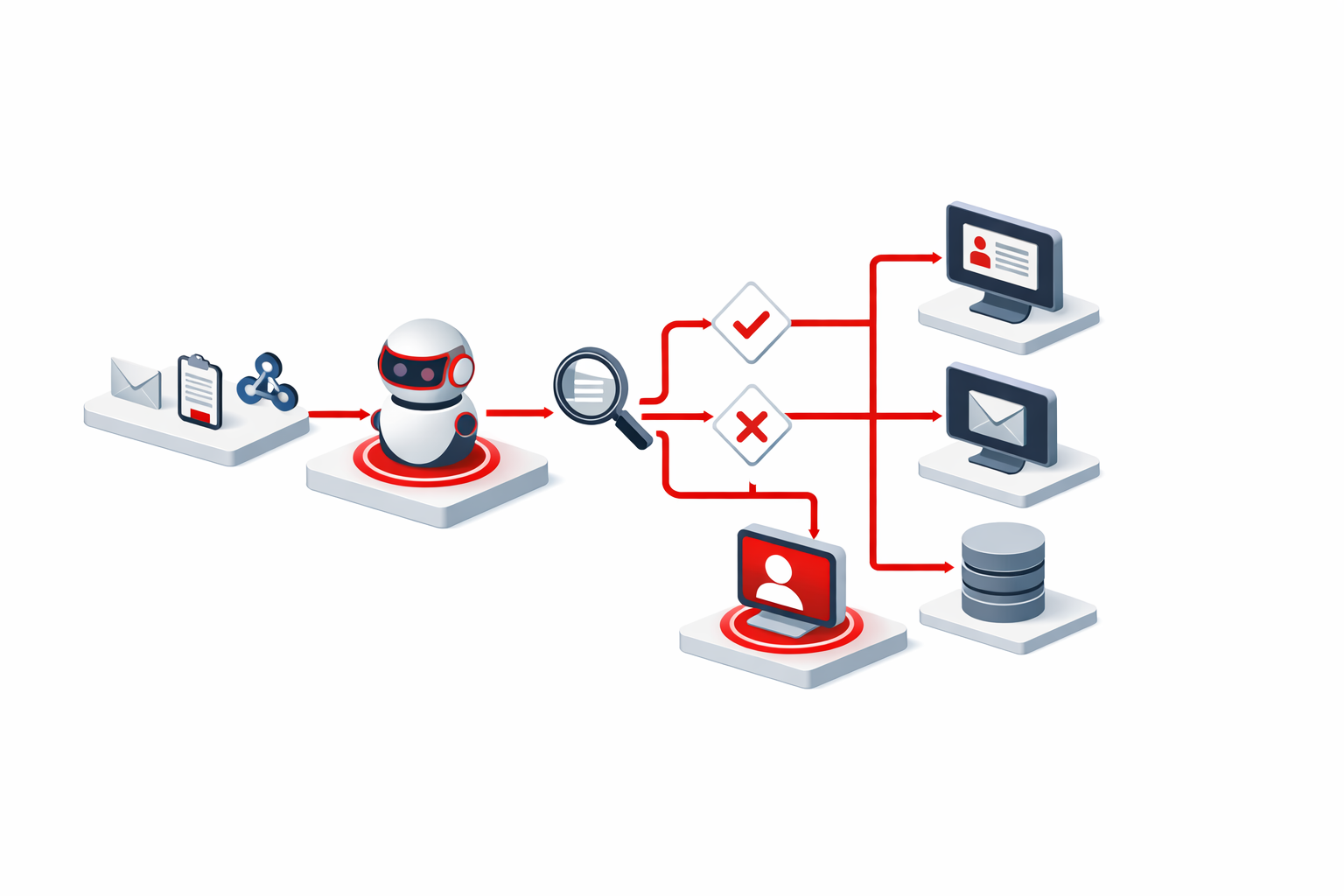
We build in escalation pathways for every agent workflow. When an agent encounters a situation it cannot handle, it routes the task to the appropriate staff member with context rather than failing silently. A community health organization's appointment reminder agent that encounters a patient number that has been disconnected does not delete the contact. It flags the record for a care coordinator to follow up directly.
Industries We Serve in East Garfield Park
Community nonprofits and social service organizations near Garfield Park use autonomous workflow agents to manage grant reporting deadline tracking, program participant communication cycles, funder relationship communications, volunteer coordination, and the event logistics that supporting organizations like the Garfield Park Conservatory require. Agents ensure that deadline-driven obligations are met consistently regardless of which staff member is available on any given week.
Food businesses and Hatchery Chicago tenants along Lake Street use autonomous agents for customer order management, CSA subscription fulfillment communications, wholesale account follow-up, farmers market preparation logistics, and the social media scheduling that keeps food businesses visible between events. Hatchery tenants who use automation for customer communication spend more time on production and product development.
Barbershops and beauty salons along Madison Street and Lake Street use autonomous agents for appointment management, client retention sequences for lapsed customers, product inventory monitoring, and the community event promotion that positions neighborhood barbershops as social anchors rather than just service businesses.
Community health organizations along Central Park Avenue and Washington Boulevard use autonomous agents for appointment reminders, care follow-up sequences, health education content distribution, and the recall communications that bring patients back for preventive care. Health organizations serving East Garfield Park benefit from agents configured for the specific communication patterns that improve engagement with the community they serve.
Churches and faith-based organizations anchoring East Garfield Park's residential blocks use autonomous agents for congregation communications, event announcement and follow-up, volunteer coordination, and the social service referral communications that connect congregation members to community resources. Large congregations managing weekly bulletins, event logistics, and pastoral follow-up benefit from agents that handle the communication infrastructure while pastoral staff focuses on relationship and ministry.
After-school programs and youth organizations near the Garfield Park Fieldhouse use autonomous agents for parent communications, instructor scheduling, participant progress updates, and the fundraising outreach that sustains program operations. Programs that communicate consistently with families have higher attendance and retention than those relying on irregular outreach.
What to Expect Working With Us
1. Mission-first workflow mapping. We document your organization's or business's repeating operational tasks with explicit attention to which ones are highest-consequence for your mission or viability. East Garfield Park organizations typically have more mission-critical repeating tasks than they realize, and the mapping process surfaces all of them before we prioritize which agents to build first.
2. Budget-appropriate design. We design agent systems using tools appropriate to the organization's budget. Community organizations and early-stage food businesses receive designs using free and low-cost platforms where those tools serve the purpose, with upgrades to paid tools only when free options genuinely fall short.
3. Community-voice configuration. Agent outputs reflect the language, relationships, and values of each organization or business. We use existing communication samples from the organization as the basis for agent output templates rather than applying generic automation language.
4. Staff training and self-sufficiency. We train the staff members who will use and monitor the agents daily. The goal is an organization that can adjust basic agent settings, interpret output quality, and report problems without requiring our involvement for routine operations.