How We Build AI Integrations for East Garfield Park
The integration audit comes first. We map every point in your current operations where AI tools and business systems are bridged manually. Each of those points is an integration opportunity. We document what systems are involved, what data moves between them, and what triggers the transfer. For a typical East Garfield Park food business, that audit often surfaces three to six integration opportunities that, taken together, would eliminate hours of weekly manual work.
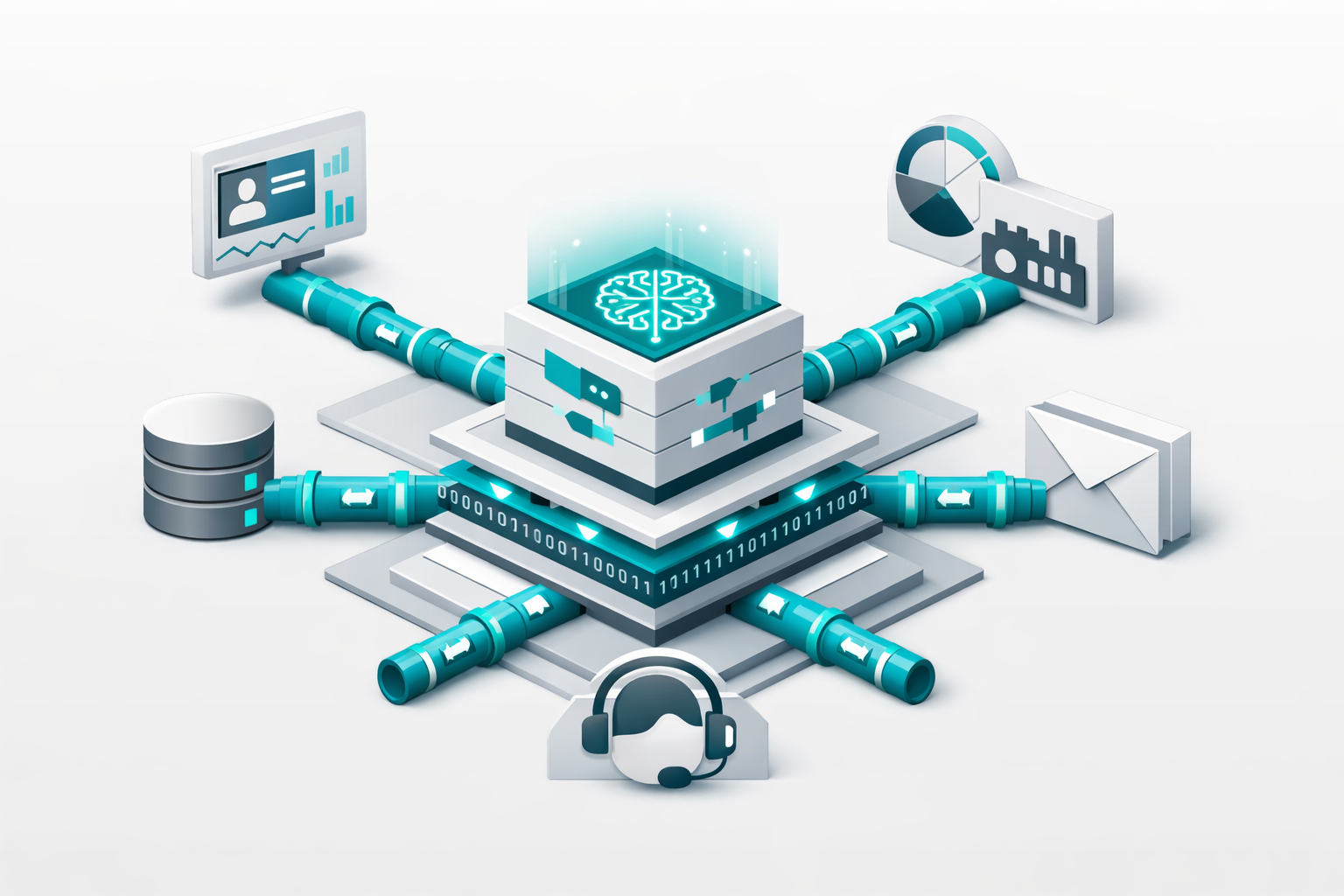
Architecture design follows. We design the specific connections: which systems talk to each other, what data flows in each direction, what events trigger the AI, and where the output lands. The architecture uses APIs, webhooks, and middleware that your existing systems already support. We do not add new systems to your stack. We wire AI into what you have.
Build and test is where the work happens. Each integration is built with error handling, logging, and monitoring so problems surface immediately rather than causing silent data issues. We test with realistic data and realistic edge cases before anything goes live.
Launch and monitoring closes the loop. Every integration goes live with monitoring that tracks data flow and flags errors. We provide documentation and a support period for questions that arise in the first weeks. Monthly reviews identify optimization opportunities and new integration candidates as your business grows.
Industries We Serve in East Garfield Park
Food and beverage businesses at the Hatchery and throughout the neighborhood use AI integration to connect generative AI to their Shopify stores, QuickBooks accounts, inventory systems, and order management platforms so AI-generated content, financial analysis, and operational data flow where they are needed without manual intervention.
Community nonprofits and social service organizations managing programs along Madison Street and Kedzie Avenue use AI integration to connect AI drafting tools to their case management systems, grant reporting templates, and funder portals so AI-accelerated work products land in the right places automatically.
Service businesses and contractors serving West Side customers use AI integration to connect AI quote generation, scheduling tools, and customer communication AI to their CRM, invoicing, and dispatch systems so each customer touchpoint is automated and recorded.
Community development organizations managing investment and program portfolios use AI integration to connect AI analysis and reporting tools to their financial systems, funder reporting platforms, and program databases so intelligence flows through their operations rather than sitting in a separate AI tool.
What to Expect Working With Us
1. Integration audit. We map every manual bridge between your AI tools and your business systems. Each bridge is an integration opportunity. The audit reveals where integration delivers the most value and provides the foundation for architecture decisions.
2. Architecture design. We design the specific connections, data flows, and triggers for each integration. You see exactly what we are building and how it will work before any code is written.
3. Build and test. Integrations are built with error handling and monitoring. We test thoroughly before launch. Your team reviews test results and confirms the integrations work as expected.
4. Launch and monitoring. Integrations go live with monitoring dashboards. We provide documentation and a support period. Monthly reviews identify new integration opportunities as your operations evolve.