How We Build AI Data Pipelines in East Garfield Park
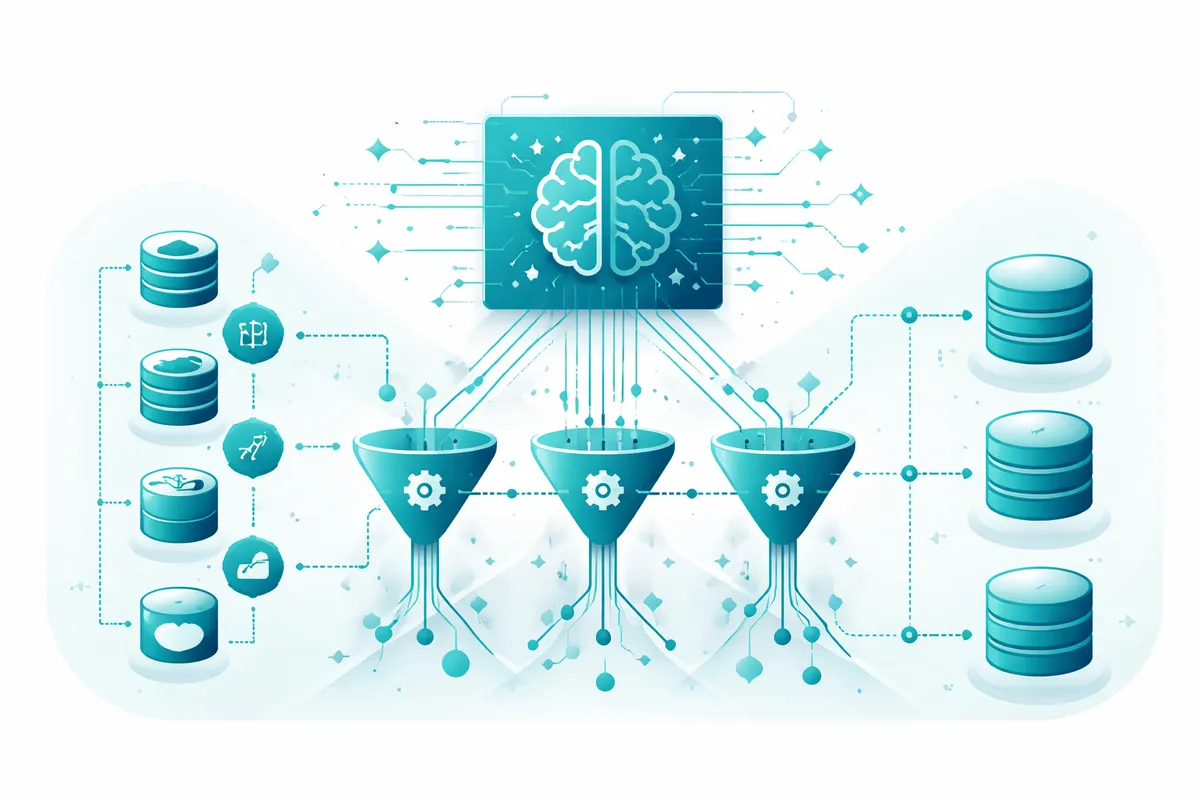
We audit your existing tools and identify where data gets stuck or duplicated. Then we build automated connections between your key systems. For retail businesses on Madison Street, that means syncing POS data with inventory counts and customer records in real time. For community organizations near the conservatory, it means connecting program enrollment, donor databases, and outcomes tracking into a single view. For food businesses along Lake Street, it means unifying delivery platform data with kitchen operations and accounting. We build monitoring into every pipeline so you know when data is flowing and get alerts if something breaks.
What to Expect Working With Us
1. Operational audit and priority mapping. We document every data source your business or organization uses, identify the most costly manual data tasks, and prioritize the connections that will deliver the most immediate time and accuracy benefits.
2. Automated pipeline build. We build connections between your key systems starting with the highest-impact data flows. Each integration is tested against your real data before going live, ensuring accuracy from the first day of operation.
3. Unified reporting and dashboard setup. We configure reporting that pulls from all connected sources into one view, giving business owners and organizational leaders the complete picture they need without logging into multiple platforms.
4. Ongoing monitoring and expansion. Every pipeline includes error alerts so breaks surface immediately. We expand coverage as your tool stack grows and reporting needs evolve.
Industries We Serve in East Garfield Park
Retail shops along Madison Street connect POS, inventory, and customer data into unified dashboards. A shop can see which products sold today, which customers are due for a follow-up, and whether inventory levels need attention, all in one place instead of three separate logins. The real-time inventory connection prevents the overselling that happens when a product appears available online but has already sold in-store.
Food businesses sync order data from delivery platforms, walk-in sales, and catering requests into a single operational and accounting view. The end-of-day reconciliation that used to take an hour happens automatically. Kitchen teams can see current order volume without checking multiple platforms, and accounting receives consolidated daily revenue figures without manual compilation.
Community development organizations consolidate program data, donor records, volunteer tracking, and outcome metrics into unified reporting systems that make grant compliance straightforward instead of painful. During reporting season, the difference between having connected data and scattered spreadsheets is the difference between a two-day compliance process and a two-week scramble that disrupts program delivery.
Service providers near Lake Street connect scheduling, invoicing, and client management platforms so appointment data flows through to billing without manual transfer. Every completed appointment generates the billing record automatically, and client histories stay current across all systems without duplicate entry.