How We Build Workflow Automation for Douglass Park
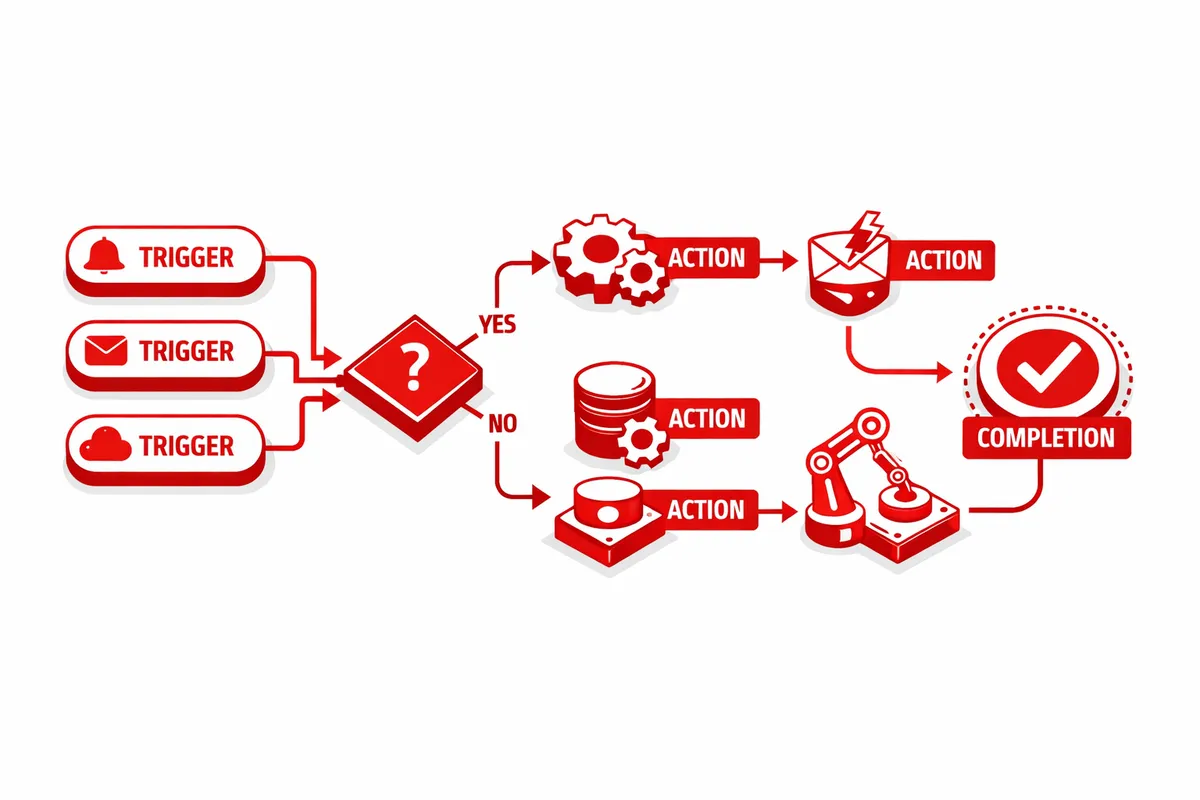
We begin with a process audit. We spend time with you or your key staff members understanding how work actually flows through your business today. We identify every manual, repetitive task that happens regularly: the appointment confirmations, the intake forms, the follow-up sequences, the inventory checks, the invoice cycles. We document what each task requires, how long it takes, who does it, and what systems are involved.
From that audit we build an automation priority map: which workflows will save the most time, which are the most error-prone, and which your current tools can support with minimal friction. We recommend automation platforms appropriate to your business type and budget. For many Douglass Park businesses, this means connecting tools you already use, like Google Workspace, a scheduling platform, or a basic CRM, rather than adopting expensive new software.
We build, test, and document each automation before it goes live. Every automated workflow has a failure case plan: what happens when a system is unavailable, when a customer record is incomplete, or when an automated message fails to send. We do not build fragile automations that break silently. Each workflow is monitored and has clear alerts when something needs human attention.
Training is part of every engagement. Your staff need to understand what the automation does and does not handle, how to intervene when needed, and how to update triggers or message templates when your business information changes.
Industries We Serve in Douglass Park
Community health clinics and medical practices have some of the highest automation potential of any business type. Appointment reminders, intake form collection, insurance verification follow-ups, post-visit surveys, and prescription refill notifications are all automatable. We build clinical communication workflows that reduce no-show rates and reduce administrative burden without requiring additional staff.
Family restaurants and food businesses on Ogden Avenue can automate order confirmations, catering inquiry responses, reservation reminders, and supplier order cycles. For restaurants handling delivery through multiple channels, we build integration workflows that consolidate orders and reduce manual entry.
Auto repair and service businesses along California Avenue and Sacramento Boulevard benefit from automated service reminders, post-repair follow-up messages, and appointment confirmation sequences. These workflows keep customers engaged between visits and reduce the friction of scheduling.
Neighborhood pharmacies and health retailers can automate prescription refill reminders, inventory reorder triggers, and customer communication sequences for recurring health products. For pharmacies serving a regular community, automated refill outreach keeps patients on schedule and drives predictable revenue.
Churches, nonprofits, and community organizations in Douglass Park use automation for donor follow-ups, volunteer scheduling, event reminders, and grant deadline tracking. We build automation systems appropriate for nonprofit budgets that free up staff and volunteer time for program delivery.
Bodegas and neighborhood retailers near the California Blue Line station may benefit from simpler automations: inventory reorder alerts, supplier communication templates, and basic customer follow-up for regulars who opt into communication. We right-size the automation to the actual complexity of the business.
What to Expect Working With Us
1. Process Audit We document your current workflows, identify automation opportunities, estimate time savings, and prioritize by impact and feasibility. You receive a clear picture of what can be automated and what the expected return is before any build work begins.
2. Automation Design and Build We design each workflow, build it in your chosen platforms, test it with real and edge-case data, and document how it works. Every automation is built with failure cases handled and monitoring in place.
3. Training and Handoff We walk through every automation with your team, explain how to manage and update it, and provide written documentation for reference. You are not dependent on us to understand how your own systems work.
4. Ongoing Support For clients on support plans, we monitor automations monthly, update workflows when your business processes change, and expand the automation footprint over time as you identify new opportunities.