How We Build SMS Marketing for Douglass Park
We approach SMS marketing setup in two phases: compliance and infrastructure first, campaign strategy second. The compliance piece is not optional. The Telephone Consumer Protection Act governs SMS marketing and the penalties for non-compliant campaigns are significant. Every subscriber list we build uses explicit double-opt-in confirmation. Every message includes a clear opt-out instruction. Campaign messages are never sent during restricted hours. We handle the compliance architecture so the business does not have to understand the regulatory framework to use the channel.
Infrastructure setup means configuring your SMS platform, building your subscriber intake process, and connecting the platform to the touchpoints where customers or community members will opt in. For a restaurant on Roosevelt Road, opt-in might happen at the register with a sign and a keyword text. For a pharmacy on Ogden Avenue, it might be a checkbox on the prescription notification preference form. For a nonprofit near Sacramento Boulevard, it might be an opt-in checkbox on the program registration form. We design the intake process for each context.
Campaign strategy is built around the natural rhythm of your business. A restaurant's campaign calendar looks different from a pharmacy's, which looks different from a community organization's. We map your annual cycle, identify the moments when a targeted text to subscribers creates the most value, and build a 12-month campaign outline with specific message templates. For bilingual audiences in Douglass Park, we build parallel English and Spanish campaign versions and configure the platform to deliver each subscriber's preferred language.
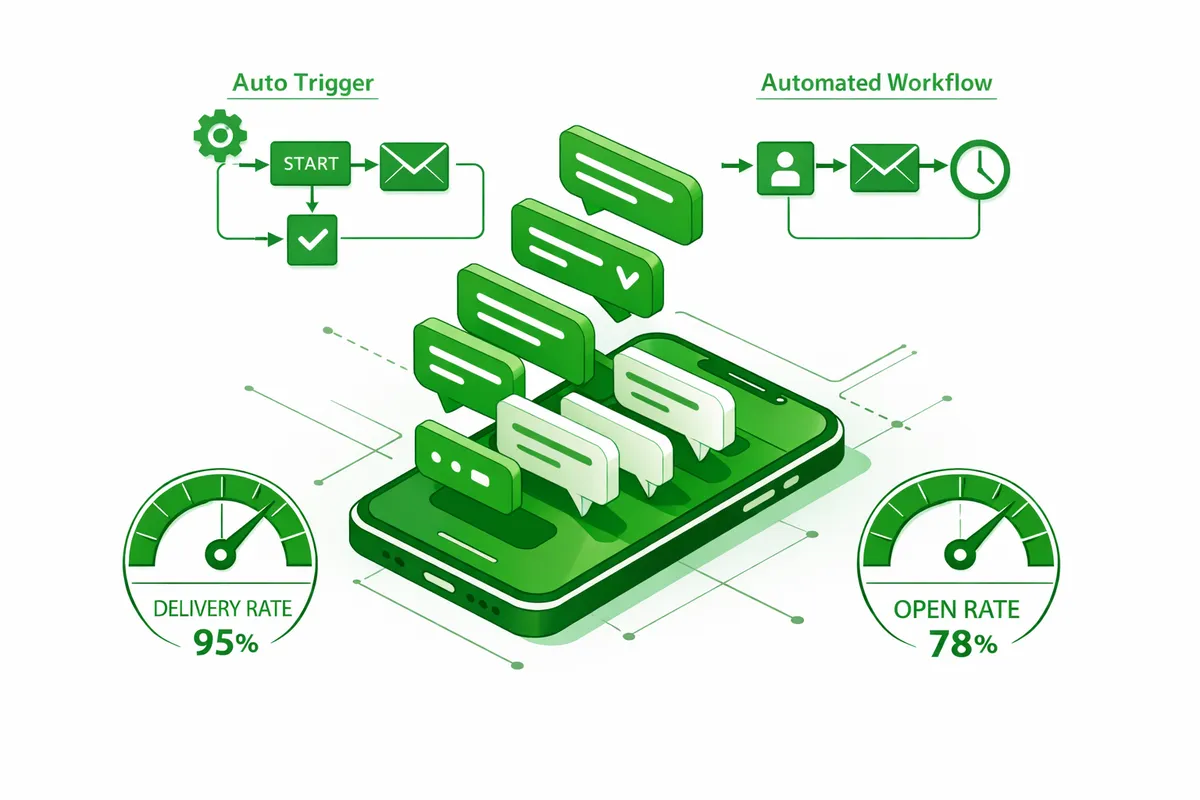
We train whoever manages ongoing campaigns, and we provide a simple dashboard that shows delivery rates, opt-out rates, and link clicks so the business can see what is working.
Industries We Serve in Douglass Park
Family restaurants and taquerias on Roosevelt Road use SMS to drive weekday covers, promote limited specials, and notify catering clients about order readiness. A restaurant that has 400 opted-in customers can reliably generate 15 to 25 additional reservations or pickup orders from a single well-timed text. That return on a $0.01 per-message send cost is hard to match anywhere else in the marketing budget.
Neighborhood pharmacies along Ogden Avenue use SMS for prescription-ready notifications, refill reminders, and seasonal health promotions. Patients who receive a text when their prescription is ready are more likely to pick it up promptly, reducing unclaimed prescription inventory and improving patient medication adherence. A flu shot reminder campaign in September captures appointments that would otherwise go to a chain pharmacy.
Community nonprofits and organizations near Sacramento Boulevard use SMS to manage the communication volume of active programming: cancellations, rescheduling, registration reminders, event updates, and volunteer calls-to-action. A summer youth program at Douglass Park that sends a weather cancellation text to 300 enrolled family contacts at 7am reaches them before anyone has made the trip.
Auto shops and service businesses on 19th Street use SMS to notify customers when their vehicle is ready, send appointment reminders that reduce no-shows, and offer maintenance reminders to customers due for an oil change or tire rotation. Service reminders sent by text have significantly higher response rates than email reminders in this category.
Bodegas and corner stores near California Avenue use loyalty-based SMS programs to reward repeat customers and drive traffic during slow periods. A Friday afternoon text offering a deal to opted-in customers generates immediate foot traffic for a business that does not have the marketing budget for paid advertising.
Churches and faith communities throughout the neighborhood use SMS for member communication, event reminders, and volunteer coordination. A congregation that reaches 80 percent of its members directly on their phone before Sunday service with a reminder about a special program has a full room. One that relies entirely on Sunday-morning word-of-mouth and flyers does not.
What to Expect Working With Us
1. Compliance audit and platform setup. We configure your SMS platform with compliant opt-in flows, required legal language, and message timing guardrails. Before a single subscriber receives a message, the infrastructure is properly built. For a Douglass Park business, this takes one to two days, not weeks.
2. Subscriber intake design for your specific context. We design the opt-in experience for your physical space, website, or registration flow. A keyword opt-in sign for a restaurant on Roosevelt Road, a digital form checkbox for a nonprofit's program registration, an in-store tablet capture for a pharmacy on Ogden Avenue. Each one is tested before going live.
3. Campaign calendar and message templates. We build a 12-month campaign outline aligned to your business or organization's actual calendar. Message templates for each campaign are drafted, reviewed, and loaded into the platform before the campaigns need to go out. Bilingual versions are prepared at the same time as English versions, not as an afterthought.
4. Dashboard training and performance review. We train whoever manages ongoing sends on the platform dashboard, reporting tools, and how to add new campaigns. One month after launch, we review delivery rates, opt-out rates, and engagement metrics with you and adjust any campaigns that are underperforming.