How We Build Multi-Agent Systems for Douglass Park
We begin by mapping the full workflow that requires coordination. We trace a patient or client from the first point of contact through every step to a defined completion point: for a health clinic, from first call through appointment completion and post-visit follow-up; for a nonprofit, from inquiry through program completion and outcome documentation. We document every step, every decision point, every system involved, and every handoff between people and tools.
From the workflow map, we identify which steps are mechanical, which require human judgment, and which are coordination tasks that could be automated without losing quality. Mechanical steps, verifying that required information is present in an intake form, sending an appointment confirmation, logging a completed service in the case management system, are candidates for full automation. Judgment steps, assessing whether an unusual patient presentation requires an urgent appointment, determining eligibility in a case with conflicting documentation, are candidates for automated preparation followed by human decision. Coordination steps, notifying the right team member that the previous step is complete and providing them with what they need for the next step, are candidates for agent automation with human visibility.
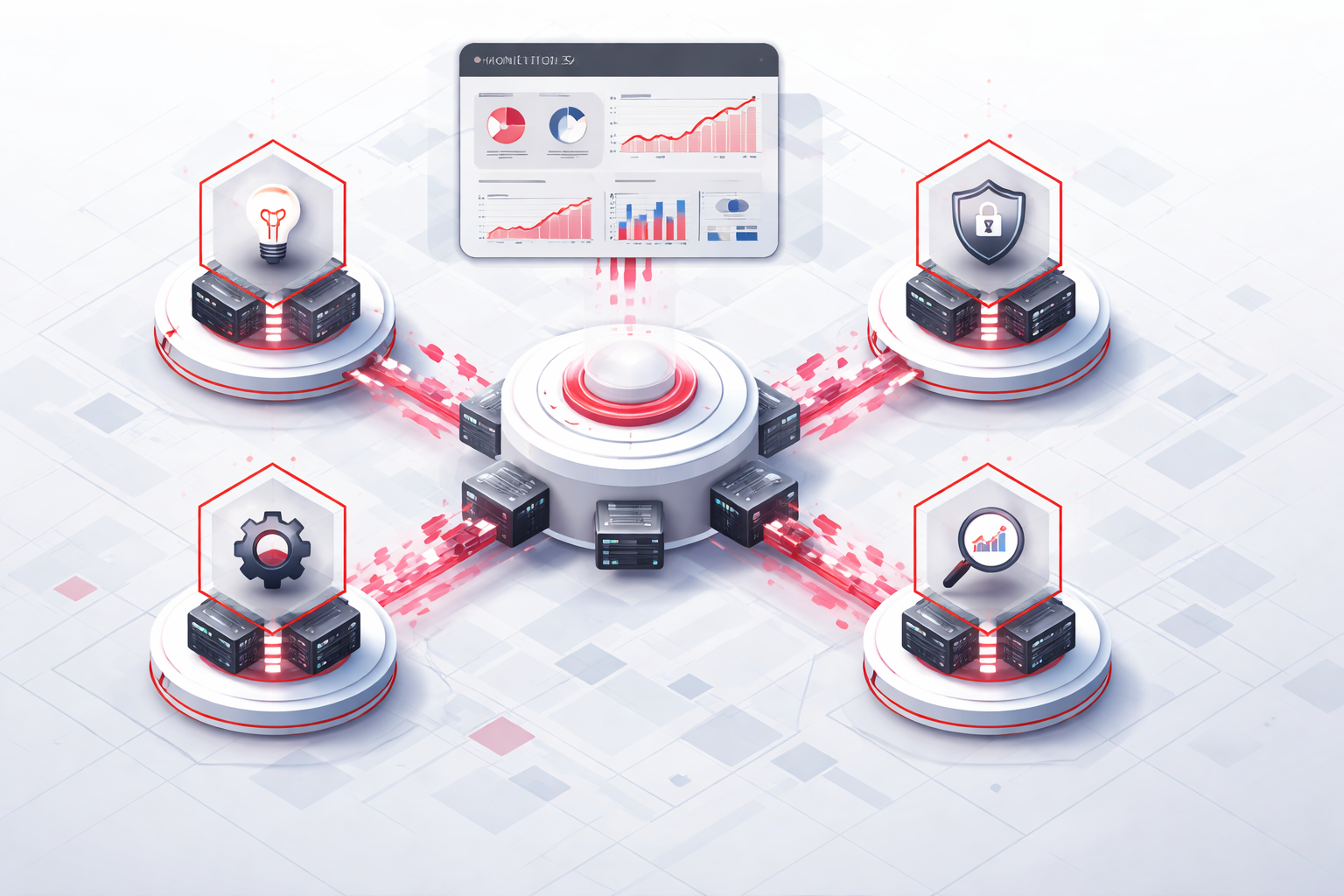
We design the agent architecture: how many agents, what each handles, what information they need from each other, and how they communicate. We define escalation paths for each agent: the specific conditions under which each agent stops and requests human input, what context it provides when it escalates, and which human receives the escalation. We then build and test the system against historical workflow data from your Douglass Park organization before live deployment.
Industries We Serve in Douglass Park
Community health clinics and medical practices along Roosevelt Road and California Avenue deploy multi-agent systems to coordinate patient intake, insurance verification, appointment scheduling, prior authorization, documentation, and post-visit follow-up. Agents hand off between steps automatically, clinical staff receive coordinated patient information rather than having to gather it themselves, and no patient falls through the gap between steps.
Nonprofits and social service organizations throughout Douglass Park deploy multi-agent systems to coordinate client intake, eligibility screening, case assignment, service planning, service delivery documentation, and outcome follow-up. Case managers receive clients with completed intake and eligibility documentation rather than coordinating those steps manually. Outcome data flows automatically to reporting systems.
Workforce development and job training programs connected to the Douglass Park and North Lawndale community deploy multi-agent systems to coordinate participant intake, skills assessment, training scheduling, employer matching, job placement follow-up, and employment outcome tracking. The multi-step process from intake to employment outcome is coordinated automatically rather than requiring manual tracking by program staff.
Housing and community development organizations near 19th Street and Sacramento Boulevard deploy multi-agent systems to coordinate loan application intake, document collection, eligibility verification, underwriting workflow, approval notification, and closing coordination. Applications move through the pipeline automatically, human underwriters receive complete documentation packages, and applicants receive consistent status updates.
Mental health and behavioral health organizations serving Douglass Park residents deploy multi-agent systems to coordinate crisis intake, clinical assessment scheduling, treatment planning, medication management coordination, and follow-up scheduling. Agents handle administrative coordination while clinical staff focus on the therapeutic relationship.
Youth development programs near North Lawndale College Prep and throughout Douglass Park deploy multi-agent systems to coordinate student enrollment, intake assessment, program scheduling, attendance tracking, academic support coordination, and outcome documentation. Program coordinators spend their time with students rather than managing the administrative workflow that surrounds program participation.
What to Expect Working With Us
1. Workflow mapping and analysis. We map the complete workflow that requires coordination, documenting every step, decision point, system, and handoff. We identify the mechanical, judgment, and coordination steps and recommend which are appropriate for each level of automation. This phase typically takes three to four weeks and involves interviews with staff across every role that touches the workflow.
2. Multi-agent system design. We design the agent architecture: what each agent handles, how agents communicate, what triggers each step, and what the escalation paths look like for each judgment point. We present the design to your leadership and program staff for validation before building.
3. Development, integration, and testing. We build the multi-agent system and integrate it with your existing tools: your EHR system, your case management platform, your scheduling tool, your communication systems. We test the complete workflow end-to-end with historical data before live deployment.
4. Phased deployment and monitoring. We deploy the system with initial human oversight at every step, gradually increasing automation for the steps that perform reliably while maintaining oversight where performance needs refinement. We monitor workflow completion rates, escalation frequency, and error patterns and refine continuously.