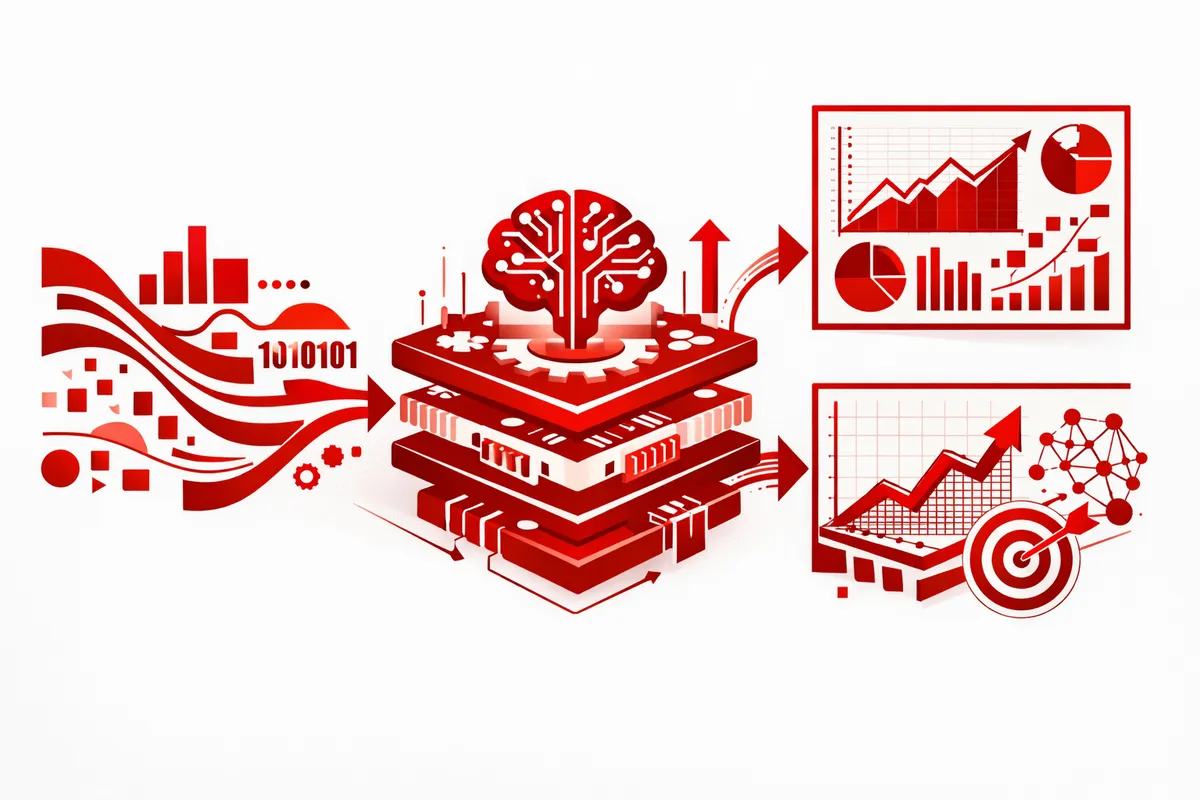
How We Build AI Data Analytics for Douglass Park
We begin with a data audit that inventories every data source your organization holds: what data exists, where it lives, how current it is, and what quality issues affect it. Many Douglass Park organizations discover during this audit that their data is richer than they realized. Years of patient records, donor history, transaction data, and program participation data form a historical record that contains valuable patterns. Other organizations discover gaps: data that should have been collected and was not, quality problems that limit what can be learned, or fragmentation across systems that makes the data hard to combine.
From the audit, we develop an analytics strategy that prioritizes the questions most worth answering given the data available. For a health clinic near Mount Sinai Hospital, the highest-priority questions might be which patients are at risk of not returning for follow-up care, whether certain providers or care protocols produce better patient outcomes, and which appointment types are driving the highest no-show rates. For a nonprofit, they might be which program components produce the strongest participant outcomes, which donor characteristics predict multi-year giving, and whether certain program locations or time slots are underperforming.
We build the analytical infrastructure needed to answer these questions: connecting data from disparate systems into a unified analytical dataset, implementing data quality improvements that increase the reliability of findings, and building AI models that identify patterns, predict outcomes, and surface the signals that inform decisions. We design dashboards and reporting that bring findings to leadership in a format that is specific enough to act on and simple enough to understand without a statistics background.
Findings are presented with direct implications for organizational decisions. Not "patients with these characteristics have higher lapse rates" without context, but "here are the 45 patients who show these characteristics and should receive a proactive outreach call before their next scheduled appointment." The gap between analytical finding and operational action is where the value of analytics is most often lost, and we design specifically to close it.
Industries We Serve in Douglass Park
Community health clinics and medical practices along California Avenue and Roosevelt Road use AI analytics to identify patient risk patterns, measure clinical outcome trends, optimize appointment scheduling, analyze population health within the Douglass Park patient base, and identify gaps in preventive care engagement. Analytics inform both clinical decisions and operational improvements that serve the neighborhood's health needs more effectively.
Nonprofits and social service organizations throughout Douglass Park use AI analytics to measure program impact across different participant populations, identify donors at risk of lapsing, find the program characteristics most predictive of strong outcomes, and analyze whether the organization is reaching the community segments it intends to serve in Douglass Park, North Lawndale, and neighboring communities.
Family-run restaurants and food businesses on Ogden Avenue and Roosevelt Road use AI analytics to understand sales patterns, identify high-margin menu items, predict demand for planning and inventory purposes, and analyze customer return frequency by customer segment. Data-driven menu and operations decisions improve profitability without requiring a business analyst on staff.
Community pharmacies and health-adjacent businesses along Sacramento Boulevard and California Avenue use AI analytics to analyze prescription patterns, identify patients at risk of medication adherence lapses, optimize inventory for the specific medication needs of the Douglass Park patient base, and measure the impact of health education programs on patient behavior.
Community development and housing organizations near 19th Street and throughout Douglass Park use AI analytics to analyze program portfolio performance, identify community members most likely to benefit from specific programs, measure housing outcome trajectories, and report impact to government funders in the specific formats their grants require.
After-school programs and youth organizations near North Lawndale College Prep and throughout Douglass Park use AI analytics to measure educational and developmental outcomes across program participants, identify students at risk of disengagement, compare outcomes across program locations and staff, and build the evidence base that supports grant applications and public funding requests.
What to Expect Working With Us
1. Data audit and strategy development. We inventory your data sources, assess quality, and develop an analytics strategy that prioritizes the questions most worth answering given your available data. We deliver a clear finding about what your data can and cannot tell you before we build anything.
2. Data integration and quality improvement. We connect your data sources, address quality issues that would limit the reliability of findings, and build the unified analytical dataset that enables cross-system analysis.
3. AI model development and analysis. We build the analytical models appropriate to your priority questions: predictive models, trend analysis, segmentation, outcome measurement. We validate findings before presenting them to ensure they reflect real patterns rather than statistical artifacts.
4. Findings presentation and action planning. We present findings to your leadership with specific operational implications. We help you develop action plans that translate analytical insights into actual decisions and program changes.
5. Ongoing analytics and dashboard access. We build dashboards that keep leadership current on key metrics and update as new data comes in. We conduct quarterly deep-dive analyses on priority questions and provide annual program impact analyses suitable for grant applications and funder reporting.