How We Build Computer Vision Systems for Douglass Park
We begin every computer vision engagement with a visual analysis audit. We observe the current inspection or analysis workflow: what images or video are reviewed, who reviews them, what they are looking for, how decisions are made, and what happens when something is flagged. For a health clinic, this means understanding what clinical visual data is reviewed, by whom, and what the review process looks like. For a food business on Ogden Avenue, it means observing the quality inspection line, understanding what defect types matter most, and documenting what inspectors actually look at.
From the audit, we specify the training data requirements. Computer vision models learn from labeled examples: images where someone has already identified what the model needs to learn to find. For a defect detection application, labeled examples are product images annotated to show where defects appear. For a clinical support application, labeled examples are medical images with known findings identified by clinicians. We assess whether you have existing labeled data, how much, and whether it is sufficient to train a useful model. For many Douglass Park applications, the examples already exist in historical records.
Model training uses the labeled examples to teach the computer vision foundation model to recognize your specific patterns. We validate model performance on held-out examples the model has not seen during training. We measure both the model's ability to find what it should find (recall) and its ability to avoid flagging things that are not actually problems (precision). For each application, we calibrate the balance between these two dimensions based on your risk tolerance: a health application may prioritize recall at the cost of some false positives, while a quality inspection application may prioritize precision.
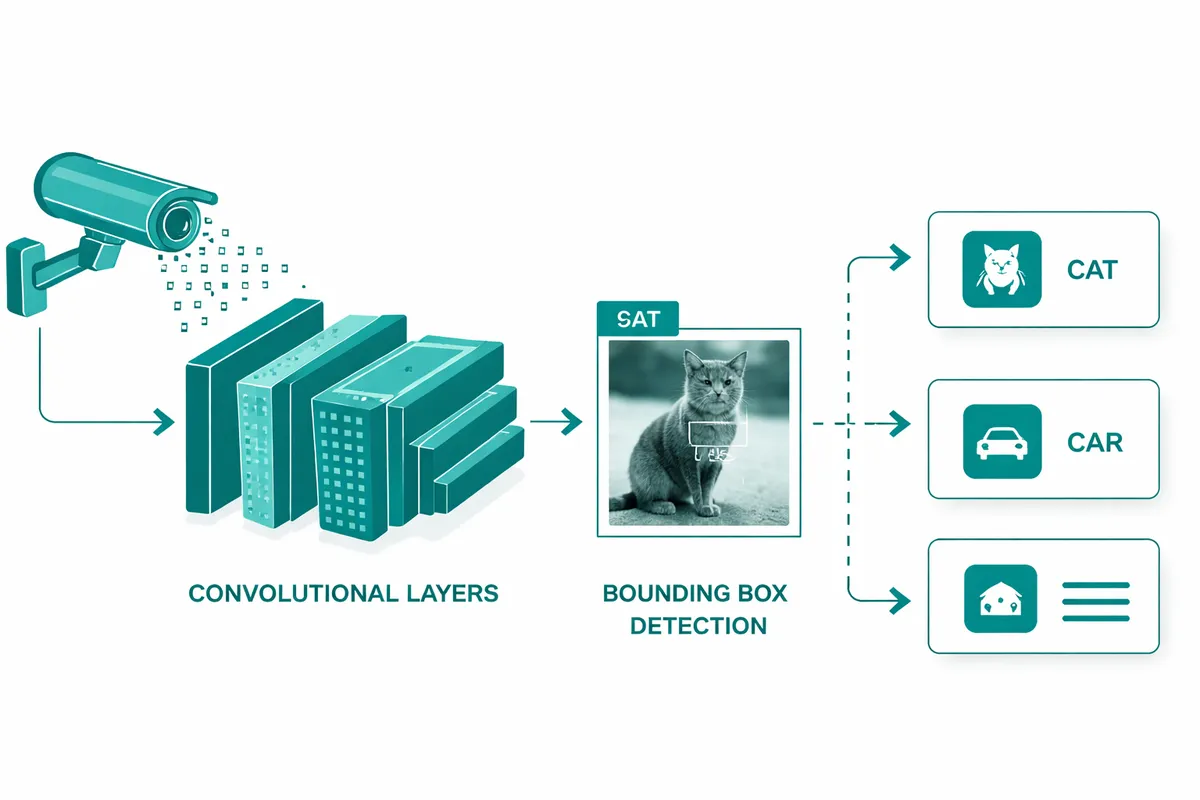
We deploy the trained model into your operational workflow. For real-time inspection, this means connecting the model to your camera system or image capture process. For batch review, this means integrating the model into your image management workflow so it pre-processes images before human review. We build a dashboard that shows what the model has flagged, with confidence scores, so the human reviewer can focus attention on the flagged cases and spot-check the cases the model did not flag.
Industries We Serve in Douglass Park
Community health clinics and medical practices near Roosevelt Road and California Avenue use computer vision to support clinical review of diagnostic imaging. The AI flags images showing findings that require clinical attention, helping prioritize review queues when volume is high. The clinician makes the clinical decision, the AI supports triage and ensures no image gets missed due to queue depth.
Food production and preparation businesses on Ogden Avenue and throughout Douglass Park use computer vision for product quality inspection. The AI reviews products before packaging or serving, flagging items that do not meet visual quality standards. Consistent quality control that does not degrade with shift length improves product consistency and reduces customer complaints.
Neighborhood pharmacies and health product retailers along California Avenue and Sacramento Boulevard use computer vision for label verification, ensuring medication packaging matches expected specifications before dispensing or shipping. Visual verification catches errors that human review misses under time pressure.
Community facilities and property management organizations near the Douglass Park green space and throughout the neighborhood use computer vision for facility condition monitoring, using periodic image capture to detect changes that indicate maintenance needs. Proactive maintenance prevents the larger repair costs that follow undetected deterioration.
Nonprofit organizations managing physical assets throughout Douglass Park use computer vision for inventory documentation, condition assessment, and change detection across their property portfolios. Systematic visual documentation supports insurance claims, maintenance planning, and donor reporting.
Auto repair shops and mechanical service businesses on Ogden Avenue use computer vision for vehicle inspection documentation, capturing visual evidence of vehicle condition at intake and completion to support customer communication and dispute resolution.
What to Expect Working With Us
1. Visual analysis audit and requirements specification. We observe your current inspection or analysis workflow, document what the AI needs to learn to identify, assess your existing labeled data, and determine whether you have sufficient training examples or need to collect additional ones.
2. Training data preparation and model training. We prepare your labeled training data, fine-tune a computer vision foundation model on your specific examples, and validate model performance on held-out test images. We present performance metrics and confirm they meet the standard appropriate for your application.
3. Deployment and integration. We integrate the trained model into your operational workflow, whether real-time camera-based inspection, batch image review, or scheduled facility monitoring. We build the human review interface that shows model flags with confidence scores.
4. Monitoring and model refinement. After deployment, we monitor model performance, collect examples where the model performs incorrectly, and use those corrections to improve the model over time. We provide quarterly performance reports showing accuracy trends and volume processed.