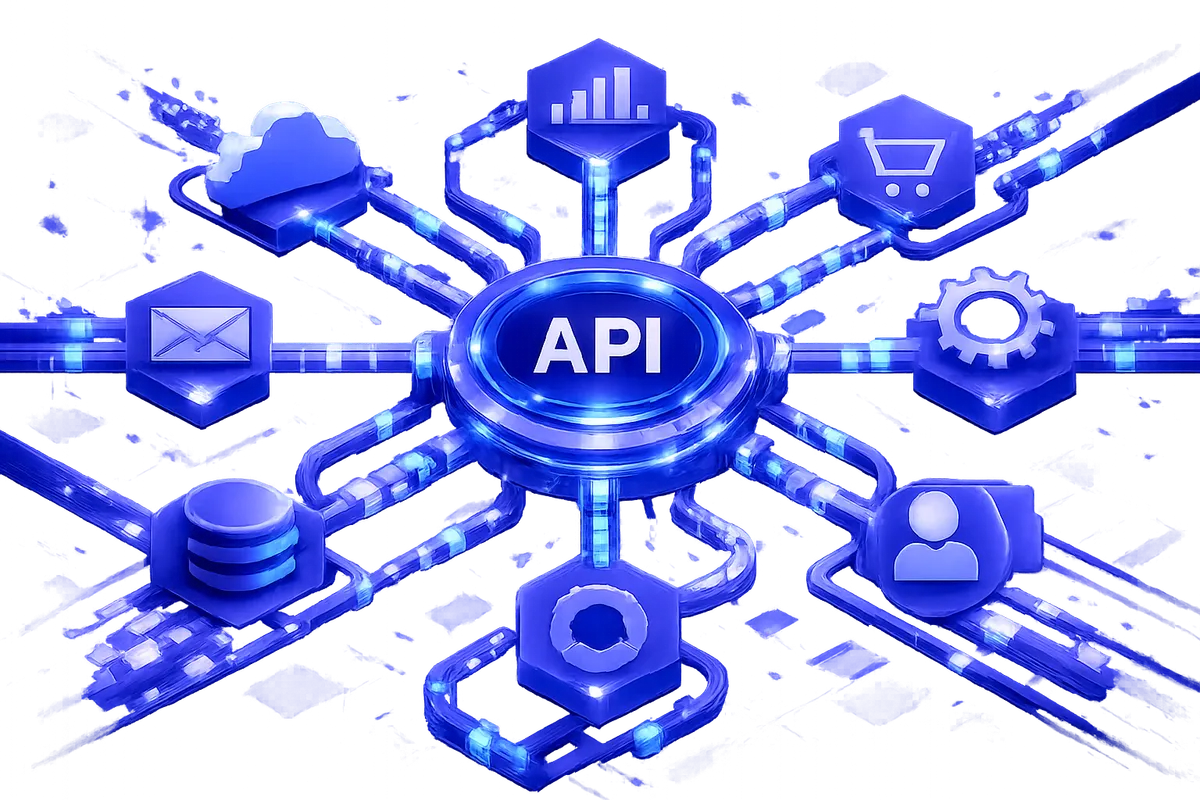
How We Build API Integration Services for Douglass Park
For Douglass Park community organizations, integration discovery starts with a program-by-program walkthrough of every system in use and every point where data is transferred by hand. We document the funder reporting requirements that drive the most manual work, the case management workflows that create the most duplicate data entry, and the financial reconciliation processes that consume the most staff time before each close.
From that documentation we design a priority stack. For most West Side nonprofits, the highest-value integration is between the case management system and the reporting layer: when program data that already exists in the case management platform flows automatically into the format each funder requires, the program director stops spending a full day on each quarterly report. The second priority is typically between the donor database and the communication platform: when a gift recorded in the donor system automatically triggers the appropriate acknowledgment workflow, the development team maintains donor relationships without a manual follow-up queue.
We have experience integrating the platforms that West Side nonprofits commonly use: Salesforce Nonprofit Success Pack, Apricot, Social Solutions, Bloomerang, DonorPerfect, ADP, Paychex, QuickBooks Nonprofit, and the range of government reporting portals that require specific data formats. Where platforms have documented APIs, we build direct connections. Where they rely on file exports, we build reliable transformation pipelines with validation and error alerting. The integration works within your current tools without requiring you to change platforms.
Every integration includes data validation rules that catch errors before they reach funder reports. An organization near the Garfield Park Conservatory whose client count in the case management system mismatches the count in the grant system needs to know that before submitting to the funder, not after. Validation gates in the integration pipeline surface discrepancies when they can still be corrected.
Industries We Serve in Douglass Park
Housing and community development organizations on California Avenue and Sacramento Boulevard connect case management platforms to reporting systems and accounting tools. When client intake data, service delivery records, and outcome tracking all flow into the funder report format without manual reformatting, the program director submits accurate reports on time without the pre-deadline scramble.
Health and social services nonprofits serving the Mount Sinai Hospital corridor integrate patient or client tracking systems with billing, scheduling, and referral management platforms. On Roosevelt Road and 19th Street, health navigation organizations that can see a complete client record without switching between three systems deliver better care coordination and produce more accurate outcomes reporting.
Workforce development and job training programs in the Douglass Park area connect enrollment tracking to outcome reporting and employer placement systems. When a participant's job placement flows automatically from the training program's case management system into the funder's outcome metric, staff spend less time on administrative tracking and more time on participant coaching.
Youth programs and after-school organizations near Douglass Park connect attendance tracking to parent communication systems and grant reporting platforms. Organizations running programs at the California Blue Line station area benefit from automated attendance-to-report workflows that eliminate end-of-month manual compilation.
Community health organizations with multiple program sites integrate electronic health record systems with billing, scheduling, and referral coordination platforms. When a referral made at a California Avenue site automatically creates a record at the receiving organization without a phone call or fax, care coordination improves and staff time is redirected to clients.
Church-based and faith community organizations on Roosevelt Road connect giving management systems to accounting platforms and communication tools. When a contribution recorded in the giving platform automatically posts to the accounting system and triggers a year-end statement without staff manually preparing each one, the small administrative team manages a larger donor relationship portfolio.
What to Expect Working With Us
1. Program and systems audit. We document every platform in use, every funder reporting requirement, and every manual data transfer your team currently performs. For a Douglass Park nonprofit, this typically surfaces four to eight manual processes consuming six to fifteen hours per week across program, development, and finance staff.
2. Integration priority matrix. We rank each potential integration by staff time saved per period, funder compliance risk reduced, and implementation complexity. You and your leadership team approve the sequence. We execute in phases, with each phase delivering value before the next begins.
3. Build and validation with your data. We build integrations against your actual data, not generic test cases. Every integration runs in parallel with your existing manual process for two full reporting cycles before the manual step is retired. You confirm accuracy before automation takes over.
4. Staff training and monitoring handoff. Your team learns what the integration does, how to read activity logs, and how to respond when an error alert comes in. Every live integration includes ongoing monitoring with alerts sent to the designated staff contact when a sync requires attention.