How We Build AI Sales Intelligence for Douglass Park
We begin with a comprehensive audit of your existing sales or donor data. For a contractor on Ogden Avenue, that means pulling CRM records, bid history, win-loss data, and any notes about how each lead came in. For a nonprofit, that means pulling giving history, engagement records, event attendance, communication response rates, and any wealth indicators available. For a clinic, that means pulling appointment history, visit patterns, referral sources, and patient engagement with communications.
From this data, we identify the signals that actually predict conversion in your specific context. Not what generic sales research says predicts conversion, but what your specific data shows. We analyze win rates by lead source, closing timelines by prospect type, giving renewal rates by donor segment and engagement pattern, and patient return rates by lapsed period and visit history. These analyses reveal which segments are worth prioritizing and which are not.
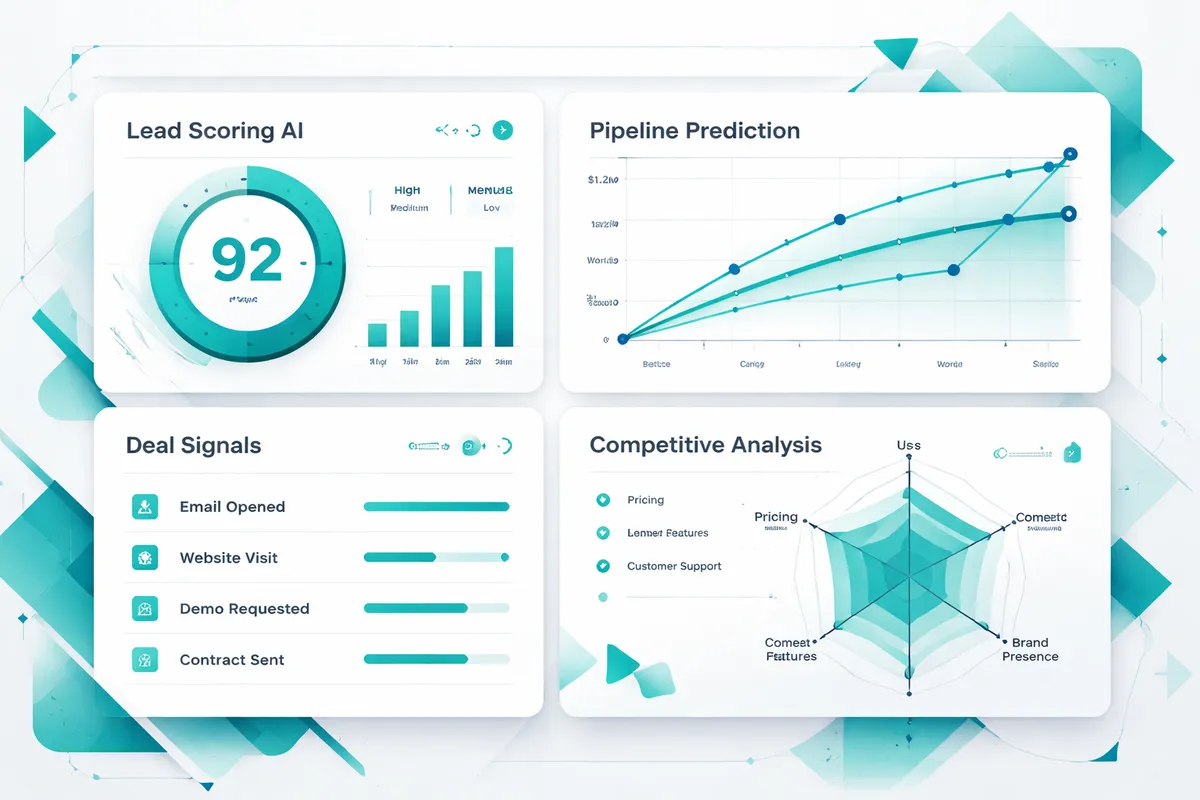
We train AI models on this data, testing their predictive accuracy on held-out historical records before deploying them to score current prospects. The models produce lead scores on a consistent scale so a team member looking at a 75-point score versus a 30-point score has a reliable basis for prioritization. Alongside scores, we generate next-step recommendations: a high-scoring lead who has not been contacted in 30 days gets a "recommended outreach" flag, a mid-scoring donor who recently attended an event gets a "call while warm" recommendation, a lapsed patient who opened a re-engagement email gets a "schedule follow-up" prompt.
We integrate scoring into whatever system your team already uses, whether that is a CRM platform, a donor management system, a spreadsheet, or a patient management tool. The goal is that intelligence surfaces in the workflow where decisions get made, not in a separate dashboard that requires a separate login to check.
Industries We Serve in Douglass Park
Contractors and construction businesses on Ogden Avenue and throughout Douglass Park use AI sales intelligence to score active bids, prioritize follow-up, and identify which leads are approaching a decision point. Contractors who spend time on their highest-probability bids win more work without increasing total hours spent on sales.
Nonprofits and community organizations near the Douglass Park green space and Roosevelt Road use AI donor intelligence to score their giving pool, identify prospects for major gift cultivation, predict renewal likelihood, and prioritize development staff time. Smaller development teams can produce fundraising results that previously required much larger staffs.
Community health clinics and medical practices along California Avenue and Roosevelt Road use AI sales intelligence to identify lapsed patients most likely to return, predict which former patients have switched providers permanently, and prioritize re-engagement campaigns for patients with specific unmet care needs.
Professional service providers including tax preparers, insurance agents, and financial advisors serving Douglass Park residents use AI to identify which clients are approaching renewal, which are at risk of leaving for a competitor, and which might benefit from an additional service conversation.
Retail and food businesses on Roosevelt Road and Ogden Avenue use AI customer intelligence to identify which customers are at risk of lapsing and when to send re-engagement offers, and which loyal customers are candidates for a loyalty program or exclusive promotion.
Social service and community development organizations throughout Douglass Park use AI intelligence to identify which community members are most likely to benefit from new programs, prioritizing outreach to the highest-need prospects within their existing contact database.
What to Expect Working With Us
1. Data audit and conversion analysis. We review your historical sales, donor, or patient data and identify the patterns that actually predict conversion in your specific context. We deliver a clear findings report showing which lead sources, prospect characteristics, and engagement patterns correlate with conversion.
2. AI model training and validation. We train predictive models on your historical data and validate their accuracy against held-out records. We deliver models that score current prospects reliably, not models that just fit past data without generalizing.
3. System integration and dashboard setup. We integrate the AI scoring models with the tools your team already uses. Scores and recommendations appear in your existing workflow rather than requiring a separate tool to check.
4. Ongoing refinement and coaching. We monitor model performance as new outcomes come in and retrain when conversion patterns shift. We coach your team on how to use AI scores as one input alongside their own judgment rather than as a replacement for it.