How We Build Voice AI for Chinatown
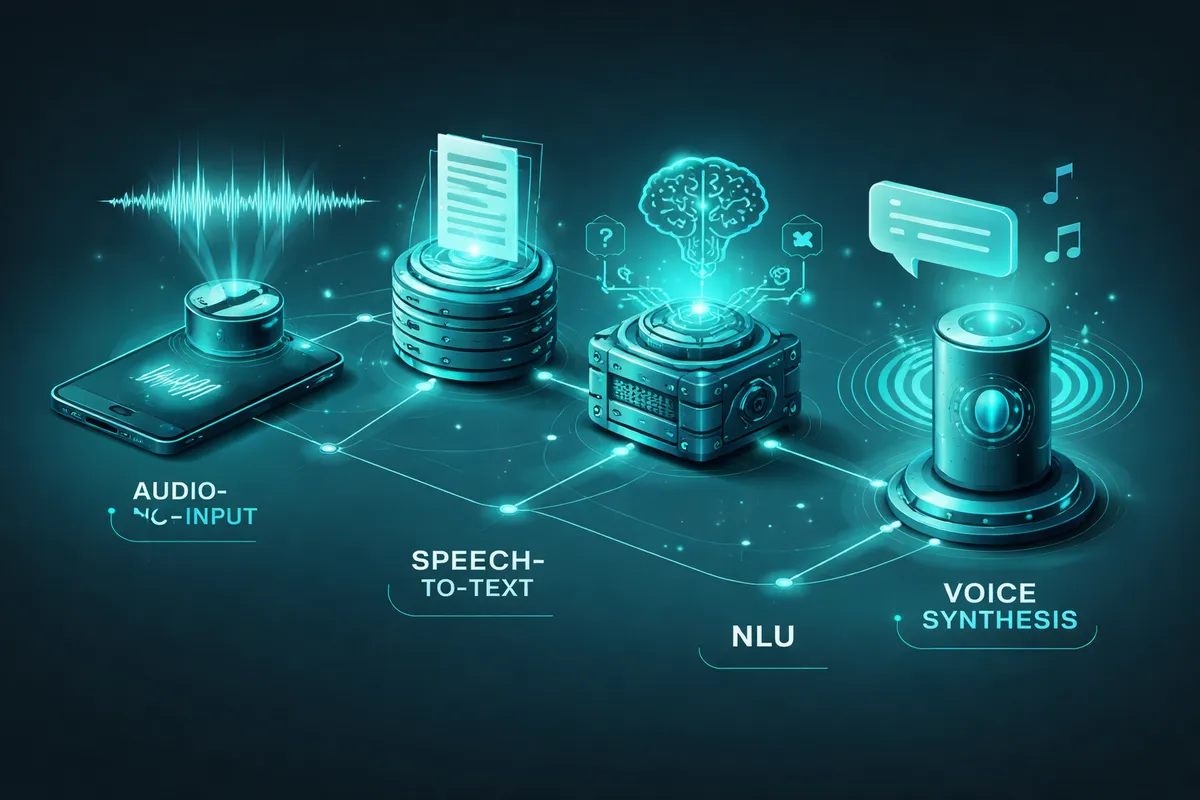
Voice AI development for Chinatown businesses begins with a call audit: documenting the call types the business receives, the language distribution of those calls, the hours at which they arrive, and the information the business currently provides in response. The call audit is the foundation for the knowledge base that the voice AI system draws on and for the call routing logic that determines which calls the system handles and which it escalates to a human.
Bilingual voice AI configuration for Chinatown requires specific calibration for each of the language contexts the business serves. Mandarin speech recognition and response generation requires training on the specific accent patterns and vocabulary that appear in the business's actual call volume. Cantonese speech recognition is distinct from Mandarin and requires separate calibration: a voice system trained primarily on Mandarin does not perform reliably on Cantonese without specific Cantonese training and testing. We configure and test each language context specifically rather than relying on generic multilingual capability.
The knowledge base we build for each Chinatown business's voice AI is specific to that business rather than generic. A dim sum restaurant on Wentworth Avenue needs a voice system that knows its current reservation availability, its specific hours including variations for Chinese cultural calendar occasions, its private dining capacity, its menu categories and pricing structure, its location relative to the Chinatown Gate and public transit on Cermak Road, and the specific questions that this restaurant's callers ask most often. Generic restaurant voice AI templates do not provide this specificity.
Integration with reservation systems allows the voice AI to handle reservations in real time rather than taking messages for staff callback. For restaurants that prefer human confirmation of large party bookings, the system captures the caller's request and contact information and notifies staff for callback, with the full context of the caller's request already documented. Either approach captures the reservation opportunity without requiring staff to be simultaneously available during service.
Industries We Serve in Chinatown
Restaurants and food businesses on Wentworth Avenue and Cermak Road receive high call volumes for reservations, menu inquiries, and private dining questions during their busiest service periods. We build voice AI systems that handle reservations in both English and Chinese, answer menu and hour questions accurately, communicate private dining options and availability, and route unusual requests to staff with full context. Chinese cultural calendar period handling, including Lunar New Year reservation availability and special menu information, is built into the knowledge base.
Herbal medicine and traditional health practices on Princeton Avenue receive appointment and inquiry calls when practitioners are in session. We build voice AI systems calibrated to the specific information needs of patients approaching traditional Chinese medicine: appointment availability, practitioner specialties, what to expect at a first appointment, and preparation requirements for specific treatment protocols. Bilingual voice AI serves the Mandarin and Cantonese-speaking patient population in their preferred language.
Import retailers and specialty food businesses at Chinatown Square and along Archer Avenue receive product availability and ordering inquiries from buyers in multiple time zones. We build voice AI systems that communicate product availability, ordering processes, minimum order requirements, and the specific delivery and pickup options that different buyer types need. For import businesses with wholesale buyers in Asian markets, after-hours voice AI captures inquiries that arrive during Chicago's nighttime hours.
Bakeries and specialty food retailers in Chinatown Square and along 22nd Place receive product, availability, and custom order inquiry calls that surge before Chinese cultural calendar occasions. We build voice AI systems that handle these inquiry surges without requiring additional staffing, communicating seasonal product availability, pre-order requirements, and custom order intake for special occasion products.
Cultural institutions and community organizations at the Pui Tak Center and the Chinese American Museum of Chicago receive program, hours, and membership inquiry calls from both Chinese American community members and the broader public. We build voice AI systems that communicate program schedules, hours and admission information, membership benefits, and event logistics in both English and Chinese.
Service businesses and professional practices serving Chinatown's community receive appointment and consultation inquiry calls that arrive when practitioners are with current clients. We build voice AI systems that handle initial inquiry screening, communicate service information, and capture appointment request details for staff follow-up, reducing the missed call rate without requiring practitioners to interrupt current client sessions to answer the phone.
What to Expect Working With Us
1. Call audit and knowledge base development. We document the call types, volumes, language distribution, and peak hours for the business's inbound call channel, and build the knowledge base that the voice AI system will draw on to handle those calls accurately. For Chinatown businesses, knowledge base development includes the Chinese cultural calendar information that affects hours and reservation availability, and the bilingual information that needs to be accessible in each language the system handles.
2. Voice AI configuration and bilingual calibration. We configure the voice AI system with the business's knowledge base, calibrate the speech recognition and response generation components for each language the system will handle, and establish the call routing rules that determine when calls are handled by the AI system and when they are escalated to a human. Bilingual calibration includes specific testing in Cantonese as well as Mandarin for businesses with Cantonese-speaking customer populations.
3. Integration and system testing. We integrate the voice AI system with the business's reservation or appointment management system where applicable, test the system against the full range of call types the business receives, and validate the bilingual performance before the system goes live with actual callers. Testing includes edge cases: unusual requests, callers who switch languages mid-call, and the cultural calendar period scenarios that require specific knowledge the system must handle correctly.
4. Deployment, monitoring, and ongoing improvement. We deploy the system, monitor its performance, and review the calls that the system escalated to staff or that callers rated poorly, using those cases to improve the knowledge base and refine the call handling logic. Voice AI systems for Chinatown businesses improve over time as the knowledge base is expanded to handle the full range of calls the business receives and as the bilingual performance is refined based on actual call data.