How We Build Multi-Agent Systems for Chinatown
We begin by mapping the full operational workflow rather than a single pain point. For a Chinatown restaurant, this means documenting every step from a reservation request to a completed meal to a review response. We identify every handoff point where information passes between systems or people, because those handoff points are where automation provides the most value and where poorly designed systems create the most friction.
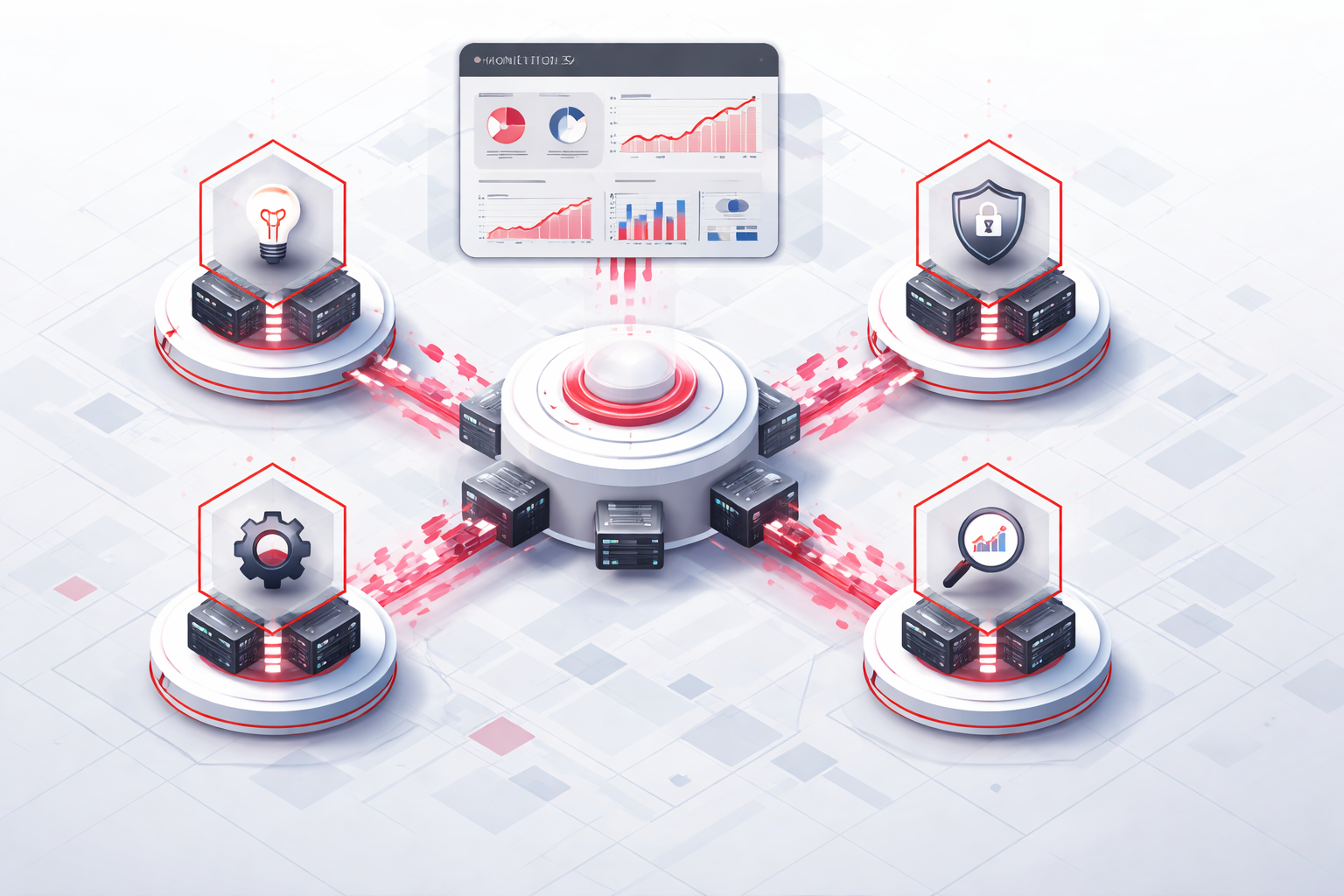
The agent architecture is designed around those handoffs. Each agent receives a clearly defined input, performs a specific task, and produces a specific output that the next agent in the chain can use. A reservation agent that receives a booking request from the restaurant's website does not need to know how the kitchen operates. It needs to check availability, confirm the booking, and pass the confirmed reservation data to the front-of-house management system. That simplicity is what makes multi-agent systems reliable.
Language handling is a design consideration for every Chinatown deployment. Workflows that involve both English and Mandarin or Cantonese text require agents configured to handle both. We build language awareness into the relevant agents rather than treating bilingual operations as an edge case. An import business near Chinatown Gate that receives supplier messages in Simplified Chinese needs an agent that processes that input correctly, not an agent that treats non-English text as an error.
Testing before peak season is standard for Chinatown clients. Deploying a multi-agent system in November gives enough time to identify configuration issues and refine agent behavior before Lunar New Year brings elevated volume in January or February. We plan deployment timelines with this seasonal cycle in mind.
Industries We Serve in Chinatown
Chinese restaurants and high-volume dining establishments along Wentworth Avenue use multi-agent systems to coordinate reservation management, kitchen-facing order routing, delivery platform integration, inventory monitoring, and supplier communication into a single automated workflow. During peak periods like Lunar New Year, the system handles the volume surge without requiring additional manual coordination.
Bakeries and specialty food producers near Cermak Road and 22nd Place use multi-agent systems for production planning, wholesale order management, online order processing, and delivery scheduling. A Chinatown bakery producing both retail and wholesale volumes across Lunar New Year season has a coordination problem that benefits directly from parallel AI agents handling each channel independently.
Herbal medicine shops and acupuncture clinics along Princeton Avenue and Archer Avenue use multi-agent systems to manage patient scheduling, supplement inventory, supplier orders, and patient follow-up communications. The system reduces the administrative overhead that consumes practitioner time and allows clinical staff to focus on patient care rather than operational coordination.
Import and export businesses near Chinatown Square use multi-agent systems for shipping status monitoring, customs document preparation, wholesale customer communication, payment tracking, and inventory updates. Cross-border commerce involves too many simultaneous moving parts for a single AI tool, and multi-agent coordination handles the parallelism that the business requires.
Accountants and financial services professionals near Pui Tak Center who serve immigrant businesses use multi-agent systems for document processing, deadline tracking, client communication drafting, and tax preparation support. The Chinese American Museum of Chicago and the surrounding institutional presence reflect the depth of professional services in Chinatown, and AI coordination supports the practitioners serving that community.
Specialty retail and import goods shops around Chinatown Square use multi-agent systems for inventory management, online sales processing, supplier communication, and customer order tracking. A shop managing imported goods across multiple product categories has the same coordination complexity as an import business, and multi-agent systems handle each channel without requiring separate manual management.
What to Expect Working With Us
1. Workflow mapping and agent design. We document your full operational workflow, identify the handoff points that create the most friction, and design an agent architecture that handles each step. For Chinatown businesses with bilingual operations, this phase explicitly addresses language handling requirements.
2. Build and configure. We build each agent, configure its inputs and outputs, and connect the agents into a coordinated workflow. Configuration includes the business rules each agent follows: the inventory threshold that triggers a supplier order, the lead time that determines when a reservation request is flagged for manual review, the customer message format that matches your brand voice.
3. Pre-launch testing. We test the full system against realistic scenarios, including the high-volume patterns of peak periods like Lunar New Year and Mid-Autumn Festival. Issues found in testing are corrected before launch so the first real-world deployment is not also a debugging session.
4. Launch and ongoing refinement. We monitor the system after launch, refine agent behavior based on real operational data, and expand agent capabilities as the workflow stabilizes. Multi-agent systems improve over time as we accumulate data about where agents perform well and where they need adjustment.