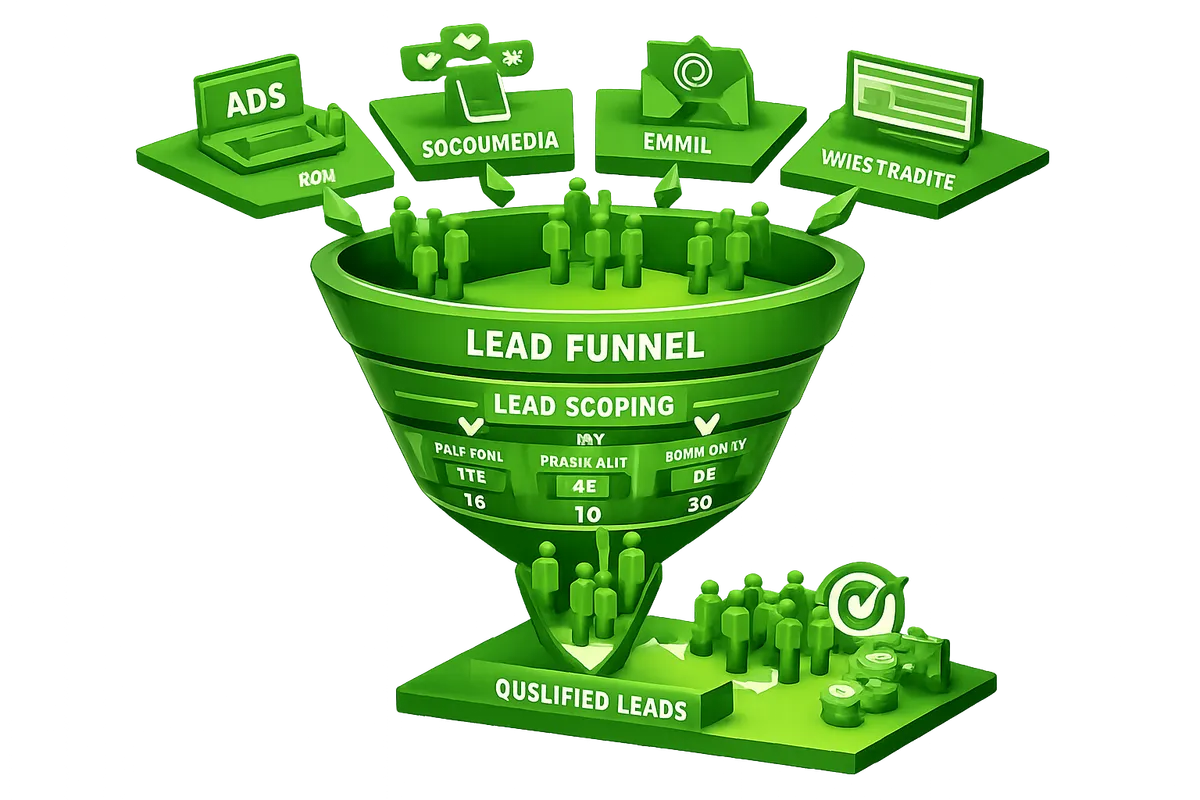
How We Build Lead Generation for Chinatown
Lead generation strategy for Chinatown businesses begins with audience definition: identifying the specific prospective customer populations beyond the existing community network that the business has the capacity to serve and the genuine interest to reach. For a Wentworth Avenue restaurant, this might be the food tourist audience planning Chicago visits, the second-generation Chinese American community on the North Side that maintains a connection to Chinatown's food traditions, and the downtown professional audience that is interested in authentic cultural dining experiences. The lead generation approach is designed for each defined audience rather than for a generic prospect.
Digital channel selection for Chinatown lead generation reflects the actual discovery behavior of each target audience. The food tourist discovers Chinatown restaurants through Google search, food media, Instagram, and TikTok. The North Side second-generation audience discovers through a combination of Chinese-language and English-language social platforms. The wholesale buyer discovers through trade-specific search, industry networks, and the directory and platform presence that professional buyers use. Each audience needs a different channel strategy.
Content as a lead generation mechanism is particularly effective for Chinatown businesses because the cultural knowledge and culinary expertise that defines Chinatown commerce is genuinely interesting to the food-curious and culturally curious audiences that represent the highest-quality prospective leads. Content that teaches something true about the Cantonese culinary tradition, about the practice of traditional Chinese medicine, or about the sourcing of specialty ingredients from specific Chinese provinces generates leads from the audience that is already interested in what the business knows.
Bilingual lead generation content serves the Mandarin and Cantonese-speaking prospect populations who are not reached by English-only lead generation. Landing pages, social media content, and advertising in Chinese reaches the prospective customers for whom Chinese-language discovery channels are primary.
Industries We Serve in Chinatown
Restaurants and food businesses on Wentworth Avenue and Cermak Road benefit from lead generation that reaches the food tourist audience before their Chicago visit through search and social content, builds email subscriber lists from prospective customers who have expressed interest in the restaurant before making a reservation, and generates the first-visit inquiries that convert into the regular customers who sustain the business.
Herbal medicine and traditional health practices on Princeton Avenue benefit from lead generation that reaches prospective patients who are researching traditional Chinese medicine through both English-language and Chinese-language channels, positioning the practice as the credible option for first-time TCM patients and for Chinese-speaking patients who have not found a TCM practitioner in their immediate neighborhood.
Import retailers and specialty food businesses at Chinatown Square and along Archer Avenue benefit from lead generation that reaches both individual specialty food buyers and wholesale buyers who are sourcing specific Chinese ingredients and products. Wholesale lead generation is a specific program that targets the restaurant buyers, specialty food retailers, and food manufacturers who need the import categories the business carries.
Bakeries and specialty food retailers in Chinatown Square and along 22nd Place benefit from lead generation that reaches the city-wide specialty food audience that would purchase traditional Chinese baked goods and seasonal products if they knew where to find them. Pre-Lunar New Year lead generation that drives online pre-ordering reaches customers who cannot visit the neighborhood in person but will order for delivery or pickup.
Cultural institutions and community organizations at the Pui Tak Center and the Chinese American Museum of Chicago benefit from lead generation that builds the audience for programs, events, and membership beyond the existing community network. Lead generation for cultural institutions is built around the educational and cultural content that attracts the broader Chicago audience alongside the Chinese American community that is the institution's core constituency.
Service businesses and professional practices serving Chinatown's community benefit from lead generation that reaches the larger market of prospective clients who share the cultural affinity or service need that makes the practice the right fit, including the Mandarin-speaking professional community across the Chicago metropolitan area that is not connected to the Chinatown neighborhood network.
What to Expect Working With Us
1. Audience definition and channel strategy design. We work with the business to define the specific prospective customer populations it wants to reach, identify the digital channels that reach each population, and design the lead generation approach that serves each defined audience appropriately. For Chinatown businesses, this design always includes the bilingual dimension and the cultural context that distinguishes effective lead generation from generic digital advertising.
2. Content and landing page development. We develop the content and landing pages that convert prospective customer interest into a captured lead, calibrated to the audience's level of knowledge about the business and the Chinese cultural context it represents. Content for the food tourist audience is different from content for the existing community's extended network, and both are different from content for the wholesale buyer.
3. Channel activation and lead capture setup. We launch the lead generation channels, set up the lead capture mechanisms that collect prospective customer information for follow-up, and establish the qualification criteria that distinguish high-potential leads from low-potential ones before they consume the business's follow-up capacity. Bilingual lead capture ensures that Chinese-speaking prospects are captured with the information needed to follow up in their language.
4. Lead nurturing and conversion support. We build the follow-up sequences that move captured leads from initial interest toward their first visit or purchase, track the conversion performance that shows whether lead generation investment is producing revenue outcomes, and refine the program based on which lead sources and content types produce the highest-quality converts.