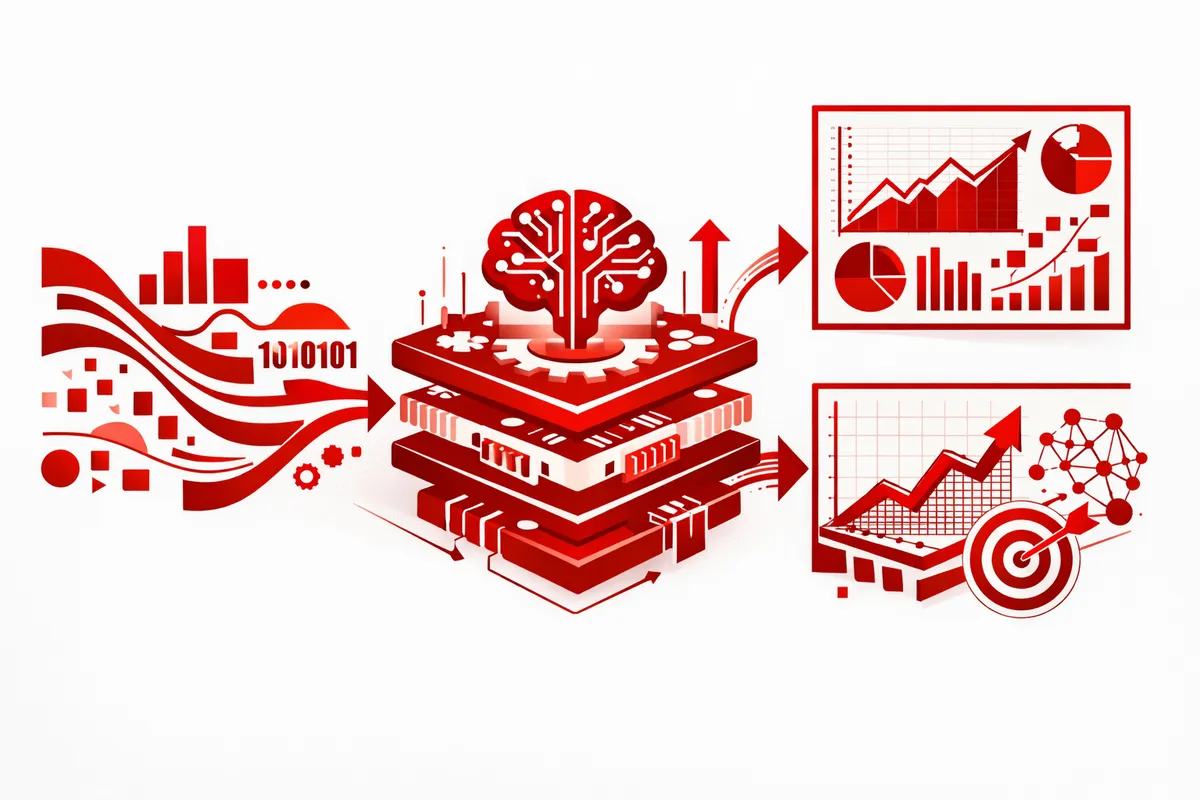
How We Build AI Data Analytics for Chinatown
Data analytics development for Chinatown businesses begins with a data inventory: documenting what data the business generates, where it lives, how complete and accurate it is, and what intelligence it could potentially yield. Most Chinatown family businesses are surprised by how much data they already have and how much intelligence it could yield with the right analytics approach.
The analytics framework we design is built around the specific decisions the business most needs to make better: the inventory purchasing decisions that affect cash flow, the staffing decisions that affect both cost and customer experience, the marketing decisions that affect customer retention and new customer acquisition. The framework is designed to answer the specific questions the business owner actually asks rather than to produce comprehensive reporting for its own sake.
AI enhancement of the analytics goes beyond what standard business intelligence reporting provides. Predictive models that forecast demand for the Chinese cultural calendar demand periods, anomaly detection that identifies when a product's sales pattern breaks from its historical norm, and customer segmentation that groups the business's customer base by behavior rather than by demographics: these are AI applications that produce intelligence that standard reporting cannot generate.
Bilingual data handling is an integrated element of our Chinatown analytics work. Data that exists in Chinese character sets is processed and analyzed without requiring conversion to English as a prerequisite. Results are presented in the language that is most useful for the business operator, which may be English, Mandarin, Cantonese, or all three depending on who the analytics are designed to serve.
Industries We Serve in Chinatown
Restaurants and food businesses on Wentworth Avenue and Cermak Road benefit from data analytics that identifies menu performance trends, customer retention patterns, revenue per available seat by daypart, and the Chinese cultural calendar demand patterns that inform staffing and inventory decisions. We build analytics that answer the specific questions Chinese restaurant operators most need answered: which menu items are declining before the decline affects revenue, which customer segments are growing versus stable, and which service periods represent the highest opportunity for improvement.
Import retailers and specialty food businesses at Chinatown Square and along Archer Avenue benefit from data analytics that tracks inventory turnover by product category, forecasts demand for the weeks before Lunar New Year and other peak periods, monitors supplier reliability and landed cost trends, and identifies which product categories are growing or declining in the business's customer base. The analytics connect purchase decisions to sales outcomes in ways that improve the profitability of inventory investment.
Herbal medicine and traditional health practices on Princeton Avenue benefit from data analytics that tracks patient retention and return visit patterns, identifies the treatment protocols and communication approaches associated with the highest adherence rates, monitors seasonal demand patterns for scheduling capacity, and provides the practice performance data that supports planning decisions. Analytics for TCM practices are calibrated to the specific patient relationship model and the treatment protocols that define traditional Chinese medicine care.
Bakeries and specialty food producers in Chinatown Square and along 22nd Place benefit from data analytics that tracks sales by item and season, forecasts production volumes calibrated to demand, monitors the ingredient waste that occurs when production does not match demand, and identifies the custom order patterns that inform kitchen capacity planning. Analytics for Chinatown bakeries address the specific production planning challenges of businesses that produce both regular menu items and high-volume seasonal specialties.
Cultural institutions and community organizations at the Pui Tak Center and the Chinese American Museum of Chicago benefit from data analytics that tracks program attendance trends, donor retention and giving patterns, membership growth and lapse rates, and the event performance data that informs programming decisions. Analytics for cultural institutions are calibrated to the nonprofit performance metrics that matter for board reporting, grant applications, and strategic planning.
Service businesses and professional practices serving Chinatown's community benefit from data analytics that tracks client retention and service utilization patterns, identifies the service offerings with the highest repeat engagement rates, monitors the referral patterns that drive new client acquisition, and provides the revenue performance data that supports business planning and investment decisions.
What to Expect Working With Us
1. Data inventory and analytics framework design. We document the data the business generates, assess its quality and completeness, and design the analytics framework that addresses the business's most important decision-making questions. The framework design is presented in business terms: what questions it will answer and what decisions it will improve, rather than which technical tools it will use.
2. Data integration and AI model development. We connect the business's data sources, build the analytical models that extract the intelligence the framework is designed to surface, and validate the model outputs against historical data before the analytics are used for forward-looking decisions. Validation includes testing against the Chinese cultural calendar demand patterns that are specific to Chinatown business seasonality.
3. Dashboard development and bilingual reporting. We build the reporting interfaces that present analytics results in the format that is most useful for the business's operators, with bilingual capability where the business's team includes staff whose primary working language is Mandarin or Cantonese. Dashboards are designed for use by operators who are running a business, not by data analysts.
4. Training and ongoing support. We train the business team on how to use the analytics system, support adoption during the initial weeks, and provide ongoing support as the analytics evolve with the business. Analytics systems improve over time as data accumulates and as the questions the business most needs to answer change with the business's growth and competitive environment.