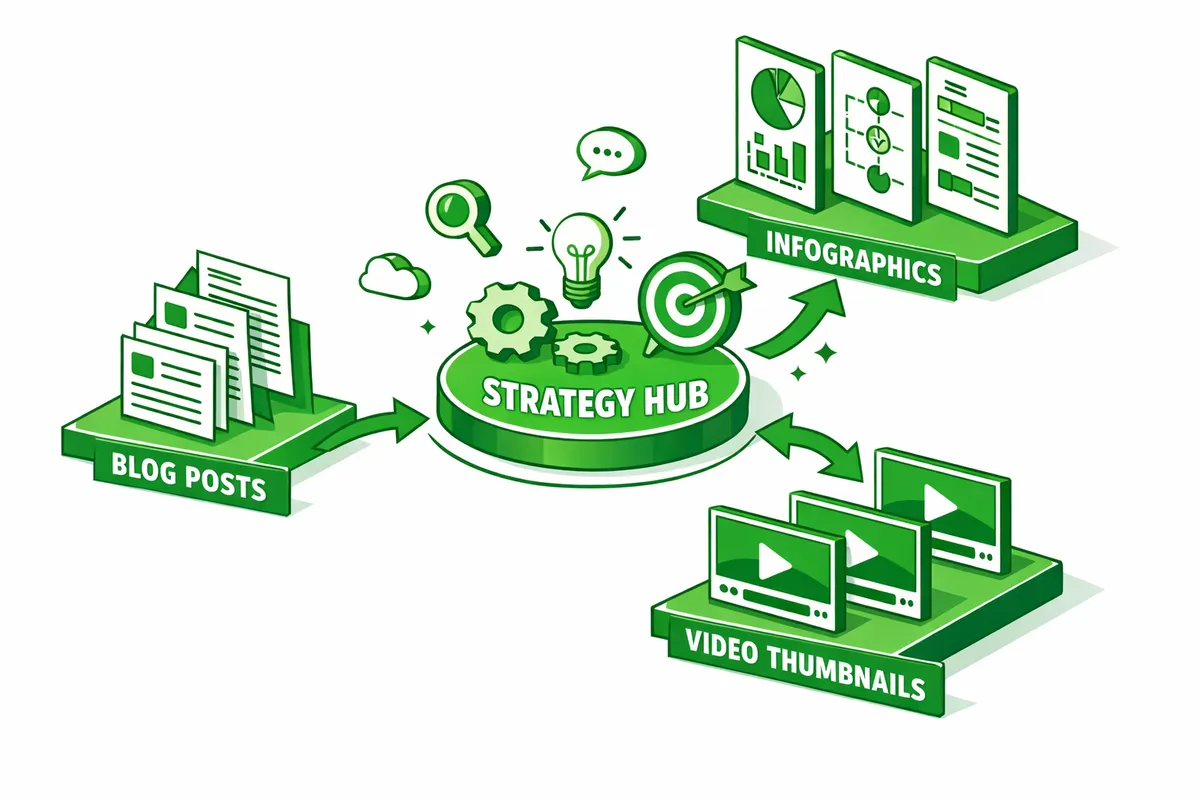
How We Build Content Marketing for Chinatown
Content marketing strategy for Chinatown businesses begins with story identification: finding the specific narrative threads that make the business distinctive and that would genuinely interest the audiences the business needs to reach. The history of a family's immigration and the specific regional Chinese cuisine tradition they brought with them is a story that interests the food-curious reader in a way that generic restaurant content does not. The knowledge of a TCM practitioner who studied in both China and the United States and practices at the intersection of two medical traditions is a story that builds authority in a way that a standard practitioner biography does not.
Content format selection for Chinatown businesses is driven by the audiences being served and the channels through which those audiences discover content. The food tourist audience discovers Chinatown content primarily through Google search, Instagram, and food media; the content format that serves this audience best is the detailed, accurate food and culture guide. The Chinese American community audience engages with content through WeChat, Chinese-language social media, and community networks; the content format that serves this audience is the community-relevant cultural and business update. The national food media audience is reached through long-form food journalism and food photography that appears on platforms where food-curious readers across the country consume content.
Bilingual content production is an integrated element of our Chinatown content marketing work, not an afterthought. Content that is translated from English into Chinese after it is written for an English-speaking audience loses the cultural register that makes it resonate with the Chinese-speaking audience it is meant to serve. We develop the Chinese-language content in parallel with the English-language content, with cultural touchpoints appropriate to each audience built into the content from the beginning.
The Chinese cultural calendar is the organizing framework for Chinatown content marketing timing. Content about Lunar New Year traditions published in November and early January reaches readers who are planning how to observe the holiday before the commercial rush makes it difficult to find the content they are looking for. Content about specific Chinatown restaurants published in the weeks before a food media anniversary or a neighborhood cultural event rides the attention wave rather than competing against it.
Industries We Serve in Chinatown
Restaurants and food businesses along Wentworth Avenue and Cermak Road benefit from content marketing that tells the specific story of the family, the cuisine tradition, and the dishes that distinguish the restaurant from the alternatives in the neighborhood. We produce food culture content that connects a restaurant's specific offerings to the broader Chinese culinary tradition it represents, guide content that helps first-time visitors navigate the menu with confidence, and the seasonal content that ties the restaurant's offering to the cultural calendar moments that bring visitors to Chinatown.
Bakeries and specialty food retailers in Chinatown Square and along 22nd Place benefit from content marketing that communicates the craft and cultural significance of traditional Chinese baked goods and specialty foods. The story of a pineapple bun recipe that has not changed in forty years, the tradition behind mooncakes during Mid-Autumn Festival, and the regional origin of specialty items that can only be found at specific Chinatown Square shops: these are content subjects that reach the food-curious audience that is actively looking for this kind of depth.
Herbal medicine and traditional health practices on Princeton Avenue benefit from content marketing that communicates the depth of TCM knowledge in accessible terms for audiences who may be encountering traditional Chinese medicine for the first time. Educational content about specific treatment approaches, practitioner profiles that build personal authority, and the cultural context content that connects TCM practice to the broader tradition of Chinese medical thought: these serve both the existing patient audience and the prospective patient who is researching TCM before their first appointment.
Import retailers and specialty food businesses at Chinatown Square and along Archer Avenue benefit from content marketing that communicates product knowledge: the provenance of specific imports, the regional Chinese food traditions that specific products represent, and the cooking applications that make specialty ingredients useful to the food-curious audience that wants to cook with them but does not know how to start. Product knowledge content drives discovery and purchase across the full spectrum from the Chinese American community audience that knows the product to the broader food-literate audience discovering it for the first time.
Cultural institutions and community organizations at the Pui Tak Center and the Chinese American Museum of Chicago benefit from content marketing that communicates the programming, the history, and the cultural significance of the institution to audiences beyond the existing community membership. The Chinese American history content, the program announcement and recap content, and the cultural education content that makes the institution relevant to the broader Chicago audience all serve the institution's discovery and engagement goals.
Service businesses and professional practices serving Chinatown's community benefit from content marketing that builds professional authority: the expertise content that demonstrates competence, the community-relevant content that demonstrates belonging, and the educational content that addresses the specific questions prospective clients ask before choosing a service provider in a neighborhood where referral and reputation govern most decisions.
What to Expect Working With Us
1. Story identification and content strategy development. We work with the business to identify the specific stories and knowledge domains that are most distinctive and most valuable for content marketing, the audiences that need to be reached, and the content formats and channels that most effectively serve each audience. For Chinatown businesses, strategy development includes the bilingual content plan and the Chinese cultural calendar publication schedule.
2. Content production and bilingual development. We produce the content the strategy calls for: the food culture guides, the family history pieces, the educational content, the product knowledge articles, and the cultural calendar content that ties the business to the seasonal moments that bring audiences to Chinatown. Bilingual production is handled as an integrated process rather than a translation workflow.
3. Distribution and channel management. We distribute published content across the channels that reach the target audiences: the business's own website, social media platforms, food media pitching, Chinese-language platforms including WeChat for audiences where those platforms are primary, and the SEO-focused distribution that builds the search visibility that brings discovery traffic over time.
4. Performance monitoring and content evolution. We monitor content performance across the metrics that indicate whether the content is serving its intended discovery and engagement functions: organic search traffic, social engagement, referral traffic from food media, and the conversion signals that connect content discovery to customer inquiry. Content strategy evolves based on what the performance data shows about which content is most effective for which audiences.