How We Build Computer Vision for Chinatown
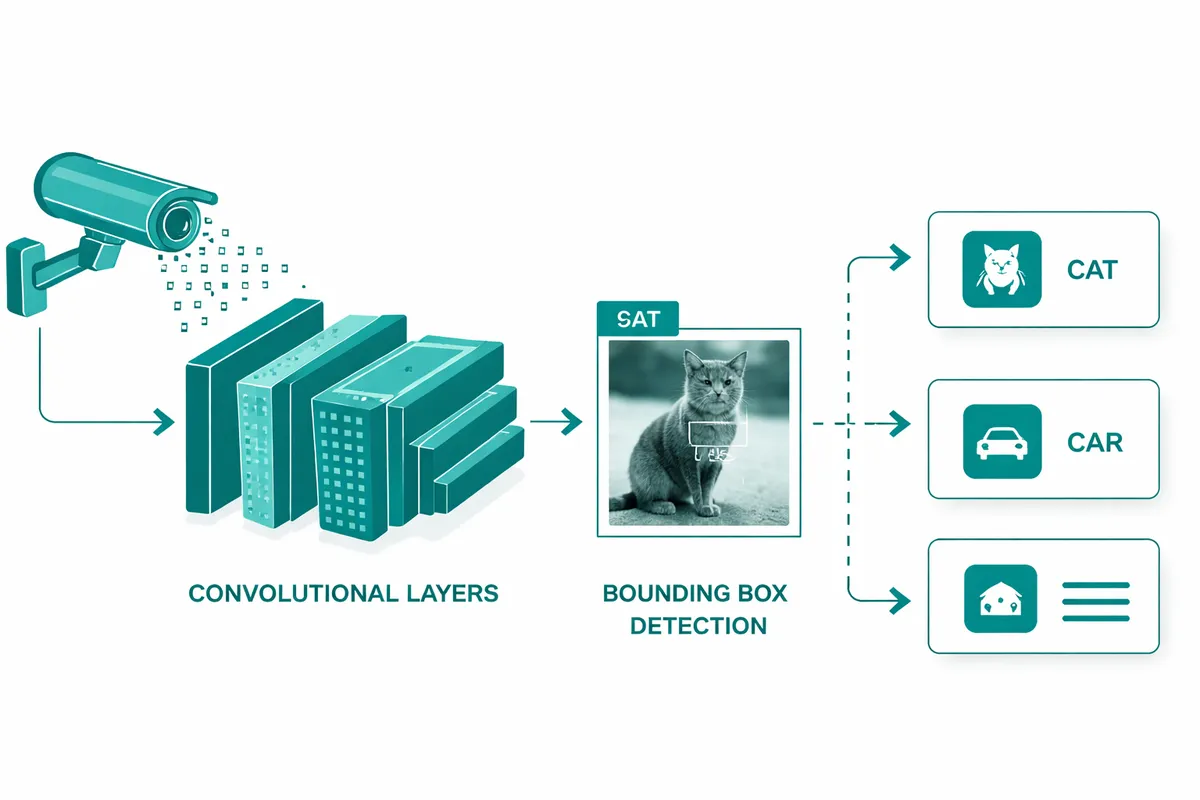
We design computer vision systems around the specific visual quality standards your business applies. For a Wentworth Avenue dim sum restaurant, that means working with your kitchen leadership to document the visual criteria that distinguish acceptable from rejected dumplings: skin thickness, pleating uniformity, filling volume visible through translucent skin, surface texture, color. We translate those criteria into the training data and model configuration that teaches a computer vision system to apply them consistently.
System deployment depends on your production environment. For kitchen quality control, we deploy camera systems at inspection points in your production line, connected to AI that flags items failing visual criteria before they proceed to plating or packaging. For receiving inspection at an import business on Archer Avenue, we deploy scanning stations where incoming products pass in front of cameras that document condition and check specifications against order records.
We include human review of computer vision flags in the production workflow. The system does not make final rejection decisions autonomously; it identifies items that warrant human review based on visual criteria, and a human inspector confirms rejection or overrides the flag. This keeps humans in the quality decision loop while using AI to focus human inspection attention on items that actually warrant review rather than requiring a human to inspect every item visually.
Industries We Serve in Chinatown
Dim sum restaurants and Chinese food producers along Wentworth Avenue use computer vision for kitchen quality control during production of dumplings, bao, and other formed items where visual consistency is a quality signal. Computer vision inspection catches the forming inconsistencies and surface defects that fatigue-affected human inspection misses during long kitchen shifts, maintaining the visual standard that differentiates skilled production from machine-line alternatives.
Traditional bakeries and pastry operations on Cermak Road and 22nd Place use computer vision to inspect mooncakes, wife cakes, and specialty pastries for surface quality, color consistency, and packaging condition before items are boxed for sale or gift packaging. During high-volume production periods before Mid-Autumn Festival and Lunar New Year, computer vision inspection maintains quality standards at production throughput rates that human-only inspection cannot sustain.
Import-export businesses in the Chinatown area use computer vision at receiving to document the condition of incoming specialty food shipments, verify that products match order specifications visually, and create timestamped documentation of shipment receipt condition that supports both supplier relationship management and food safety compliance requirements.
Herbal medicine retailers and distributors use computer vision to inspect packaged herbal products for damaged packaging, verify label accuracy, and detect products with visible quality concerns before they reach retail shelves. For businesses selling traditional remedies where quality and authenticity are customer trust factors, consistent visual inspection builds confidence in product quality.
Specialty grocery and food retailers in Chinatown Square and along Archer Avenue use computer vision for inventory monitoring, product placement verification, and receiving inspection for the diverse imported product categories that require visual condition assessment before shelving.
Catering and food production businesses serving Chinatown's event market use computer vision to maintain plating and presentation consistency across large catering orders where multiple kitchen staff are producing the same dishes simultaneously.
What to Expect Working With Us
1. Visual standards documentation and training data development. We work with your most experienced kitchen or inspection staff to document the visual quality criteria they apply, translating expert knowledge into the annotated image datasets that train accurate computer vision models. For Chinatown food businesses, this documentation captures the tacit quality knowledge that currently exists only in experienced practitioners' judgment.
2. Model training and accuracy validation. We train computer vision models on your documented standards and validate accuracy against your actual production items. For food quality applications, we set accuracy thresholds that are operationally appropriate: high enough to catch real quality problems, low enough to avoid false rejection rates that disrupt production. Validation includes testing across the full range of your production variability, including the differences that occur between kitchen staff and seasonal raw ingredient variation.
3. Hardware deployment and system integration. We specify and support deployment of camera hardware and computing infrastructure appropriate to your inspection environment. For kitchen environments near Chinatown Gate restaurants, that includes food-safe equipment specifications and placement that does not disrupt production workflow. For receiving environments, it includes portable or fixed scanning station options based on your dock layout.
4. Monitoring, calibration, and model updates. Computer vision models require calibration as production conditions change seasonally or as product specifications evolve. We provide ongoing model maintenance that keeps inspection accuracy high as your raw materials, seasonal recipes, and product mixes change through the year.