How We Build Autonomous Workflow Agents for Chinatown
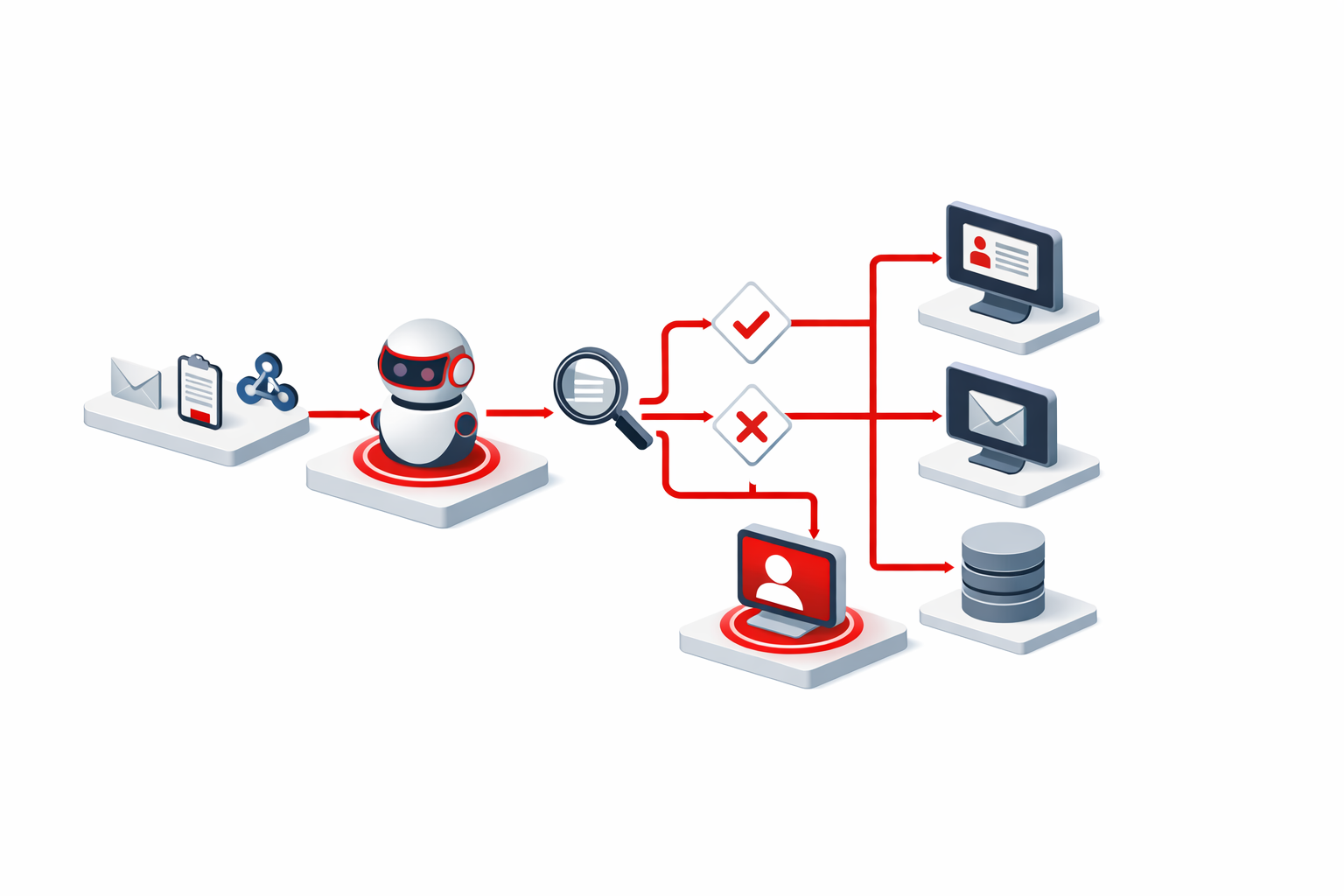
We design agents around the specific workflows in your business that have the most variability, require the most monitoring attention, and currently consume the most staff time on repetitive decision-making. For a Chinatown restaurant, that typically means reservation management, customer communication follow-up, and review monitoring and response. For an import business, it typically means supplier communication monitoring, shipment status tracking, and inventory reorder management. For a clinic, it typically means appointment scheduling, reminder delivery, and insurance documentation follow-up.
We map each target workflow in detail: what triggers the workflow, what decisions the workflow requires, what actions each decision leads to, what exceptions arise and how they should be handled, and what escalation points require human attention. This mapping is what distinguishes a well-designed agent from an automation that fails at its first unexpected input. Chinatown businesses often have exception patterns specific to their cultural context: a customer who confirms a reservation via WeChat rather than the standard confirmation link, a supplier who sends amended invoice documentation through a different channel than their initial invoice, a patient who responds to an appointment reminder in Cantonese rather than Mandarin.
We configure agents to handle these exception patterns and to escalate gracefully to humans when they encounter situations outside their defined scope. An agent that fails silently on exceptions creates worse operational problems than the manual process it replaced. Agents we build are transparent about what they have done, what they are doing, and what they have escalated and why, so that your team has visibility into agent activity without needing to monitor it constantly.
Industries We Serve in Chinatown
Chinese restaurants and dim sum establishments along Wentworth Avenue and Cermak Road deploy autonomous agents for reservation management, customer communication throughout the dining relationship, review monitoring and response in Mandarin and English, and supplier order management for high-frequency ingredient purchasing. Agents that handle weekend reservation volume autonomously during peak service recover significant host attention for in-person guest experience.
Herbal medicine shops and specialty retailers near Chinatown Gate and along Archer Avenue use autonomous agents for inventory monitoring and reorder triggering, customer inquiry response for product availability and pricing, and supplier communication management for businesses maintaining active relationships with Chinese-based herbal product suppliers across different time zones.
Import-export businesses throughout the Chinatown area use autonomous agents for shipment status monitoring and stakeholder notification, supplier communication acknowledgment and follow-up, customs documentation status tracking, and customer order status communication for wholesale accounts with regular purchasing relationships.
Acupuncture clinics and traditional medicine providers use autonomous agents for appointment scheduling and reminder delivery in Mandarin and English, insurance prior authorization follow-up with payer portals, new patient intake form collection and routing, and post-visit check-in messages that maintain patient relationship continuity between treatment appointments.
Accountants and professional service firms serving the Chinatown community use autonomous agents for client document collection follow-up, appointment scheduling and reminder delivery, engagement status communication, and the routine client communication that maintains service relationship quality without consuming professional staff time on administrative coordination.
Cultural organizations and nonprofits near the Pui Tak Center and Chinese American Museum of Chicago use autonomous agents for membership renewal sequences, event registration and reminder management, volunteer coordination communications, and donor acknowledgment workflows that maintain relationship quality across large constituent lists without requiring proportional staff time investment.
What to Expect Working With Us
1. Workflow mapping and agent specification. We map the workflows you want to automate in enough detail to design agents that handle the actual decision complexity rather than simplified versions. Workflow mapping for Chinatown businesses specifically includes the exception patterns introduced by multilingual operations and the cultural calendar triggers that create predictable workflow peaks.
2. Agent development and bilingual configuration. We build agents with full bilingual capability for the languages your business operates in. Mandarin and Cantonese communication through agents is written and reviewed by fluent speakers, not produced through automated translation. Agents that communicate with your Chinese-speaking customers and suppliers do so with the language quality that those relationships require.
3. Testing and exception validation. We test agents against a comprehensive set of scenarios including exception cases before deployment. For Chinatown businesses, testing specifically includes multilingual exception handling, cultural calendar edge cases, and the non-standard communication patterns common in Chinese business contexts such as informal WeChat-based supplier communication.
4. Deployment with monitoring and escalation visibility. We deploy agents with full monitoring dashboards that show what each agent has processed, what decisions it made, and what it escalated. You have complete visibility into agent activity without needing to oversee each interaction. Escalation alerts deliver to you through the channel you prefer when agents encounter situations requiring human attention.