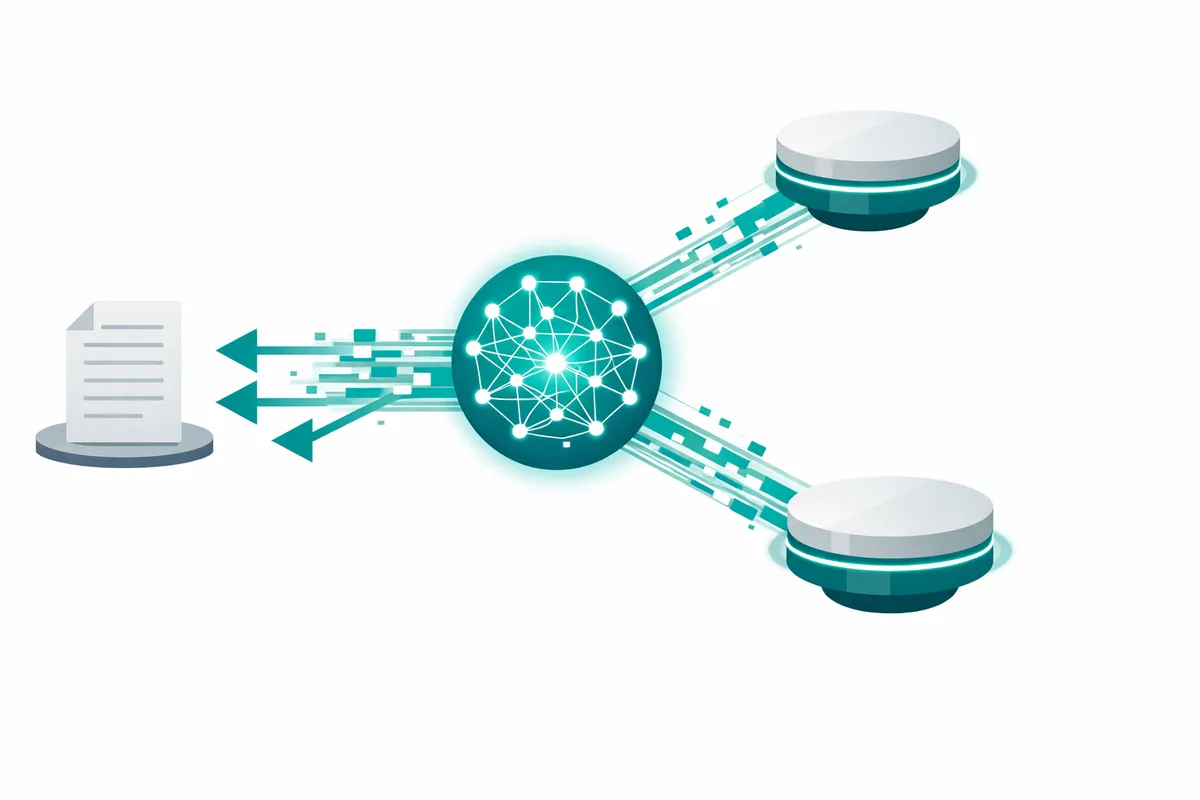
How We Build AEO for Chinatown
We begin with a query audit across the specific search patterns that Chinatown generates: culinary queries organized by cuisine tradition and dish type, cultural tourism queries tied to landmarks like Ping Tom Memorial Park and the Chinatown Gate, professional service queries that require bilingual capability, and destination queries from visitors planning trips from outside the city. We document where your business currently appears in AI-generated answers and where structured data gaps are costing you citations.
Implementation for Chinatown businesses focuses on three content layers. The first is cuisine and specialty taxonomy: AI systems cite businesses more confidently when their content includes specific dish names, preparation traditions, ingredient sourcing, and dietary accommodation information structured in machine-readable formats rather than buried in paragraph prose. The second is cultural and institutional proximity: schema markup that positions your business relative to Wentworth Avenue, Cermak Road, Chinatown Square, and the neighborhood's cultural landmarks creates location signals that AI systems use when generating neighborhood discovery answers. The third is professional service descriptors for non-restaurant businesses: language capabilities, professional credentials, years in operation, and client population served are all citable attributes that drive AI citations for accountants, attorneys, and medical practices operating near Archer Avenue and Princeton Avenue.
Industries We Serve in Chinatown
Chinese restaurants and dim sum houses along Wentworth Avenue and Cermak Road operate in one of Chicago's most search-driven dining categories. Food tourists specifically plan Chinatown visits around AI-recommended restaurants. Structured data covering cuisine tradition, signature dishes, service format, and reservation policies gives your restaurant the machine-readable profile that AI tools need to cite you in the specific dining queries that bring these visitors to 22nd Place and the surrounding blocks.
Herbal medicine shops and acupuncture clinics near Chinatown Square serve both neighborhood residents and customers who travel specifically for Traditional Chinese Medicine practitioners. These businesses are searched for with high specificity: Mandarin-speaking herbalists, acupuncture for fertility, herbal consultation for chronic conditions. Structured specialty descriptors, practitioner credentials, and language capability data structure these signals for AI citation.
Bakeries and specialty food shops on Wentworth Avenue and 22nd Place draw visitors who are looking for specific regional pastries, egg tarts, mooncakes, or roasted goods. AI tools increasingly generate answers to these specific confection queries, and businesses with structured product category data appear in those answers. We build the product taxonomy that lets AI systems recommend your bakery for the specific items your customers are searching for.
Import/export businesses and wholesale suppliers operating near Archer Avenue and Princeton Avenue serve a B2B customer base that uses AI tools to source suppliers and verify business credibility. Structured business category data, product range descriptors, and service area information helps these businesses appear in commercial sourcing queries that AI tools generate for buyers and procurement teams.
Accountants and immigration attorneys serving Chinatown's immigrant business community need to appear in the high-stakes professional queries that clients run before making decisions about tax preparation, business formation, or immigration status. These queries are often bilingual in intent: someone who speaks Cantonese at home and searches in English for a Cantonese-speaking accountant near Chinatown. Language capability, professional credentials, and client population signals structure these matches in AI-generated recommendations.
Cultural institutions and community organizations including those near the Chinese American Museum of Chicago and Pui Tak Center anchor the cultural tourism queries that generate interest in Chinatown as a destination. These organizations need AEO infrastructure that structures their programming, hours, admission information, and community role in formats that AI tools can cite when generating Chinatown visitor guides and cultural tourism answers.
What to Expect Working With Us
1. Discovery and AI Visibility Audit. We run the specific queries your Chinatown customers are using through ChatGPT, Google AI Overviews, and Perplexity. We document where your business appears and where it is absent, and we identify the structured data gaps and content formatting issues causing those absences. You receive a clear picture of your current AI citation footprint before we begin implementation.
2. Structured Data Implementation. We implement schema markup appropriate to your business type: LocalBusiness schema with cuisine taxonomy for restaurants, MedicalBusiness schema with specialty descriptors for health practices, ProfessionalService schema with language capabilities for attorneys and accountants. Every schema element we implement corresponds to a specific query type we identified in the audit phase.
3. Content Reformatting for AI Readiness. We restructure your core web pages so that each section answers the specific questions your target customers are asking AI tools. For a restaurant on Wentworth Avenue, this means FAQ sections covering cuisine tradition, signature dishes, and what distinguishes your operation from neighbors. For a professional service provider near Cermak Road, this means clearly stated language capabilities, credential summaries, and client population descriptions in answer-formatted prose.
4. Ongoing Citation Monitoring. We track your appearance in AI-generated answers monthly, log changes in citation rates as AI platform algorithms evolve, and adjust content strategy when specific queries shift. Chinatown's tourism patterns are seasonal, and we calibrate content freshness and query targeting to match those cycles.