How We Build AI Strategy for Chinatown
AI strategy for Chinatown businesses begins with a business operations assessment rather than a technology assessment. We document how the business currently operates: the workflows that consume owner and staff time, the decisions that require the most judgment, the customer interactions that most affect reputation, and the operational bottlenecks that most limit growth. This operational picture is the foundation for identifying where AI could provide genuine value rather than nominal capability.
The cultural and community context assessment is a specific element of our Chinatown strategy work. We assess how the business's relationship to the Chinese American community should inform AI adoption decisions: which customer interactions should remain human because the relationship dimension is too important to delegate to automation, which language capabilities the business's AI tools need to have to serve its customer base, and how the business's position in the Chinatown community should shape the way it communicates about the AI tools it uses.
Tool evaluation for Chinatown businesses is specific to the bilingual, family-scale, relationship-based context. We evaluate AI tools against the actual requirements of Chinatown businesses: bilingual performance in Mandarin and Cantonese, operational simplicity that a family business without a technical team can maintain, and the customer experience implications for a neighborhood where reputation travels through tight community networks.
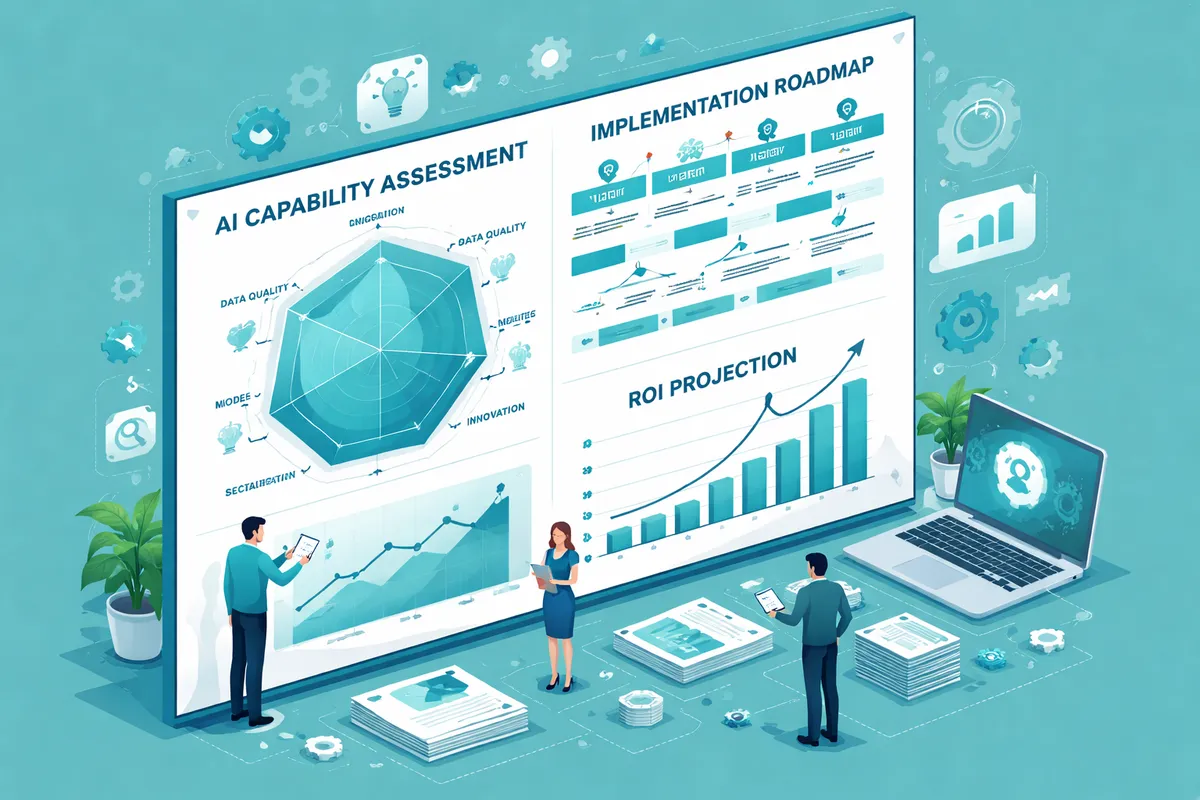
Roadmap development produces a prioritized sequence of AI investments that the business can pursue over a realistic timeline without disrupting its current operations. The roadmap addresses the highest-value opportunities first, avoids the AI implementations that carry disproportionate disruption risk for limited gain, and sequences investments in a way that builds capability without overextending the business's capacity to absorb change.
Industries We Serve in Chinatown
Restaurants and food businesses on Wentworth Avenue and Cermak Road benefit from AI strategy that identifies the specific automation opportunities that would reduce owner workload without affecting the quality of customer relationships. For a Chinese restaurant, this typically means AI tools for reservation management, customer inquiry handling, and marketing communication rather than AI tools that affect the kitchen operations or the front-of-house service that defines the customer experience.
Herbal medicine and traditional health practices on Princeton Avenue benefit from AI strategy that identifies the specific tools that would support practice operations without compromising the practitioner-patient relationship that defines TCM care. For a traditional medicine practice, the highest-value AI applications are typically in administrative operations: scheduling, documentation, patient communication between appointments, and the business operations that are not directly clinical rather than in clinical decision-making that must remain entirely human.
Import retailers and specialty food businesses at Chinatown Square and along Archer Avenue benefit from AI strategy that identifies the inventory and supply chain management opportunities where AI provides the most value for the scale and complexity of a Chinatown import operation. Demand forecasting for the Chinese cultural calendar, supplier communication management, and product catalog organization are typically higher-value AI applications for import businesses than customer-facing tools.
Bakeries and specialty food producers in Chinatown Square and along 22nd Place benefit from AI strategy that identifies production planning, custom order management, and marketing automation opportunities appropriate to a production-focused small food business. The AI investments that produce the most value for a Chinatown bakery are typically operational rather than customer-facing.
Cultural institutions and community organizations at the Pui Tak Center and the Chinese American Museum of Chicago benefit from AI strategy that identifies the fundraising, program management, and community communication tools that produce real operational value at a nonprofit's budget level. Cultural institutions often have specific governance considerations around AI adoption that affect what tools are appropriate; the strategy addresses those considerations alongside the operational ones.
Service businesses and professional practices serving Chinatown's community benefit from AI strategy that identifies the client communication, scheduling, and administrative automation opportunities that reduce overhead without compromising the professional relationship quality that matters in a tight community network. For professional services in Chinatown, the strategy addresses both the operational opportunity and the trust implications of each AI adoption decision.
What to Expect Working With Us
1. Business operations and community context assessment. We document the current operations of the business, assess the community context that should inform AI adoption decisions, and identify the areas where the business's current processes represent the highest-value AI application opportunities. The assessment is a listening process: we are learning how the specific business works before recommending anything.
2. Tool evaluation and use case prioritization. We evaluate AI tools against the specific requirements of the business's category, bilingual needs, and scale, and we prioritize the use cases where AI investment is most likely to produce genuine value rather than nominal capability. The prioritization is based on expected impact on the specific business rather than on general claims about AI's transformative potential.
3. Roadmap development and investment planning. We develop the prioritized roadmap of AI investments appropriate for the business's timeline, budget, and capacity for change, with specific tool recommendations, implementation sequences, and the evaluation criteria that determine whether each investment is achieving its intended outcome. The roadmap is a practical planning document rather than a strategic vision statement.
4. Implementation guidance and ongoing advisory. We provide guidance during the implementation of the roadmap's first phase, assess the results of early AI investments against the outcomes they were designed to produce, and adjust the roadmap based on what is learned. AI strategy is not a one-time deliverable; the landscape changes and the business's needs evolve, and we maintain the advisory relationship that allows the strategy to adapt.