How We Build AI Sales Intelligence for Chinatown
AI sales intelligence for Chinatown businesses begins with a data audit: identifying the transaction data, customer records, and operational records the business is generating and where that data lives. For most Chinatown businesses, the primary data sources are the point-of-sale system, the reservation or appointment management system, and in some cases the inventory management system. The audit identifies what data is available, how complete it is, and what the gaps are.
We then design the intelligence framework: identifying the specific questions the business most needs to answer and the metrics tracking the business's actual performance indicators. For a Wentworth Avenue restaurant, the most valuable intelligence framework might focus on customer retention by segment, menu item performance by service period, and the seasonal demand patterns that inform staffing and inventory decisions. For an import business, it might focus on inventory turnover by product category, demand forecasting by cultural calendar period, and supplier performance by delivery reliability.
AI models in the intelligence framework identify the patterns in the business's data that human analysis would miss or would take too long to find. A model trained on a restaurant's three years of transaction data can identify the menu items whose popularity is declining before the decline is visible to casual observation, providing time to make adjustment decisions before the trend affects revenue. A model trained on an import business's purchase and sales data can produce demand forecasts more accurate than the owner's experience-based estimates.
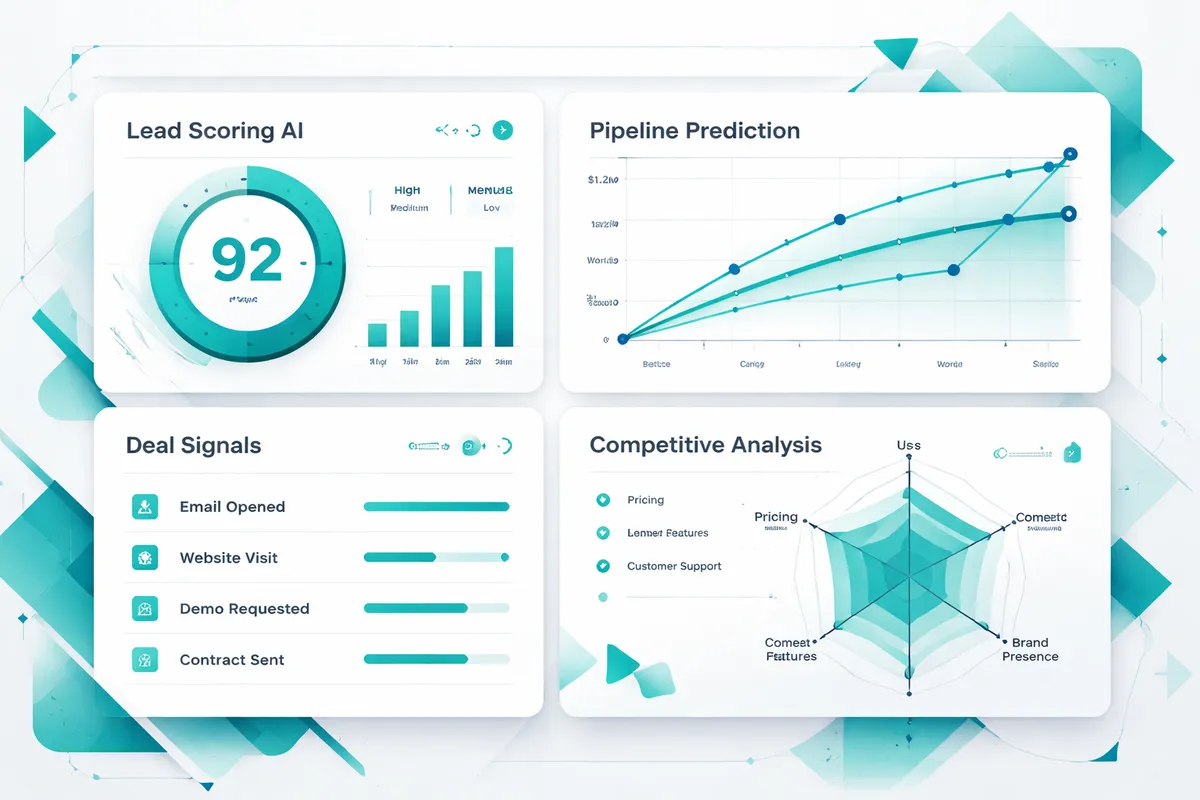
Visualization and reporting design makes the intelligence accessible to business operators who are running a business rather than managing a data system. Intelligence that exists in a database but cannot be read quickly by an owner in the middle of a busy day does not improve decisions. We design reporting interfaces presenting intelligence in the format and at the frequency that fits the business's actual decision-making rhythm.
Industries We Serve in Chinatown
Restaurants and food businesses on Wentworth Avenue and Cermak Road benefit from sales intelligence identifying customer retention trends by segment, tracking menu item performance by service period and season, monitoring revenue per available seat by daypart, and providing the comparative period analysis that distinguishes a genuine performance change from normal variation. We build intelligence frameworks serving the specific decision-making needs of Chinese restaurant formats from dim sum service to banquet dining.
Import retailers and specialty food businesses at Chinatown Square and along Archer Avenue benefit from sales intelligence tracking inventory turnover by product category, identifying the demand patterns tied to the Chinese cultural calendar, monitoring supplier reliability and landed cost trends, and providing the demand forecasting supporting purchasing decisions. We build intelligence frameworks connecting sales data to purchasing decisions in the ways that prevent both stockouts and excess inventory.
Herbal medicine and traditional health practices on Princeton Avenue benefit from sales intelligence monitoring patient retention and return visit patterns, identifying the treatment protocols with the highest completion rates, tracking the seasonal demand patterns affecting scheduling capacity, and providing the patient engagement signals that predict which patients are at risk of dropping out of treatment.
Bakeries and specialty food retailers in Chinatown Square and along 22nd Place benefit from sales intelligence tracking product sales by item and season, identifying the production volumes that minimize waste while meeting demand, monitoring the custom order patterns that forecast kitchen capacity requirements, and providing comparative performance data.
Cultural institutions and community organizations at the Pui Tak Center and the Chinese American Museum of Chicago benefit from sales intelligence tracking membership retention and growth by acquisition channel, monitoring program attendance by offering and season, identifying the donor engagement patterns predicting renewal or lapse, and providing program performance data supporting grant reporting and institutional planning.
Service businesses and professional practices serving Chinatown's community benefit from sales intelligence tracking client retention and service utilization patterns, identifying the service offerings with the highest repeat engagement rates, monitoring the referral patterns driving new client acquisition, and providing the revenue performance data supporting business planning decisions.
What to Expect Working With Us
1. Data audit and intelligence framework design. We audit the data the business is generating, assess the quality and completeness of that data, and design the intelligence framework addressing the business's most important decision-making questions. The framework is specific to the business's model rather than generic: a dim sum restaurant's intelligence needs are different from an import business's, and the framework reflects those differences.
2. Data integration and model development. We connect the data sources identified in the audit, build the analytical models extracting the patterns the framework is designed to surface, and validate the model outputs against the business's actual historical performance before the intelligence is used for forward-looking decisions. Validation includes testing the model's accuracy on the Chinese cultural calendar demand patterns specific to Chinatown business seasonality.
3. Dashboard and reporting design. We design and build the reporting interfaces making the intelligence accessible to business operators, calibrated to the decision-making rhythm and information preferences of the specific business. For family businesses in Chinatown, reporting is designed to be readable quickly and without data analysis expertise: the owner should be able to understand what the dashboard is telling them in the time available before the next service.
4. Training, adoption, and ongoing refinement. We train the business team on how to use the intelligence system, support adoption during the first weeks of operation, and refine the framework based on how the intelligence is actually being used and what decisions it is most effectively informing. Intelligence systems improve over time as more data accumulates and as the business's questions evolve with the business's growth.