How We Build AI Receptionist Systems for Chinatown
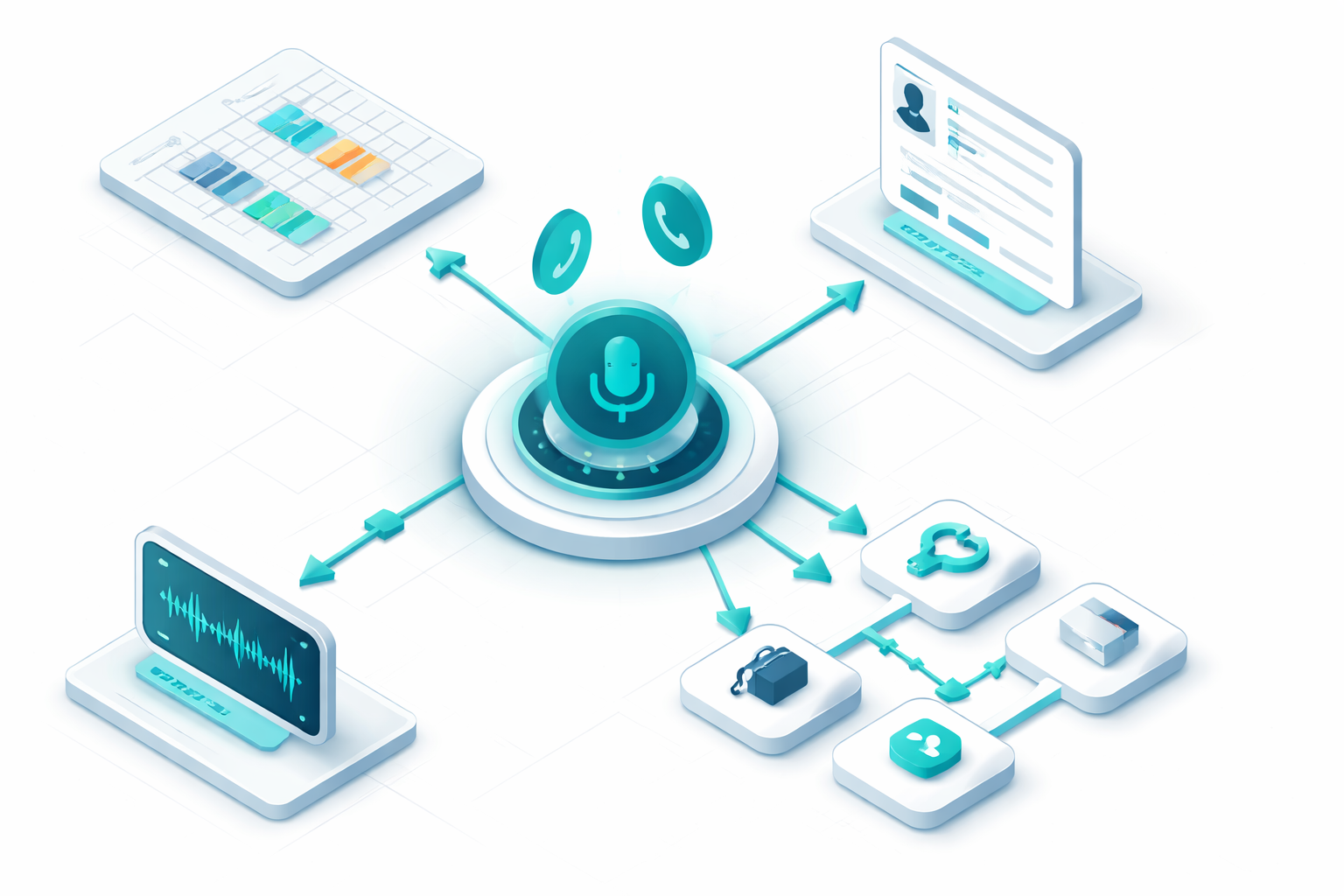
AI receptionist development for Chinatown businesses begins with a knowledge base build: documenting everything the business's receptionist needs to know to handle the inquiries the business actually receives. For a Wentworth Avenue restaurant, this is the menu, the reservation policy, the hours including holiday variations for the Chinese cultural calendar, the location relative to the Chinatown Gate and public transit options on Cermak Road, the private dining capacity, and the answers to the specific questions this restaurant's customers ask most often.
Bilingual configuration is the element of Chinatown AI receptionist development that distinguishes our work from off-the-shelf solutions. We configure systems that detect the caller's language from the first words of the inquiry and respond immediately in that language, handle the code-switching that occurs when bilingual callers move between English and Mandarin or Cantonese within a single conversation, and maintain the cultural register appropriate to each language context rather than producing technically correct but culturally flat responses.
Integration with the business's reservation or appointment systems allows the AI receptionist to do more than provide information: it can take reservations, confirm appointments, communicate waitlist status, and handle the transactional elements of a customer inquiry without requiring staff involvement. For a Chinatown restaurant, this means a caller can complete a reservation fully through the AI system. For a herbal medicine practice, a patient can schedule an appointment without requiring the practitioner or administrative staff to be available.
Escalation protocols ensure that inquiries requiring human judgment reach a staff member promptly. Unusual requests, dissatisfied customers, and situations outside the standard knowledge base are routed to a staff member with the full context of the call so that the human follow-up can be informed and efficient rather than starting from scratch.
Industries We Serve in Chinatown
Restaurants and food businesses on Wentworth Avenue and Cermak Road have phone inquiry patterns that peak when service is most intense. We build AI receptionist systems that handle reservation requests, menu inquiries, hour and location questions, and private dining inquiries in both English and Chinese, at any hour, with the specific knowledge of the restaurant's policies and calendar built into the system's responses.
Herbal medicine and traditional health practices on Princeton Avenue receive patient inquiries and appointment requests when practitioners are engaged with current patients. We build AI receptionist systems calibrated to the specific information needs of patients approaching a TCM practice: what to expect at a first appointment, how the practice handles specific types of conditions, what the appointment duration is, and how to prepare for specific treatment protocols.
Import retailers and specialty food businesses at Chinatown Square and along Archer Avenue receive product availability and order inquiries from customers across multiple time zones, including buyers in Asian markets operating many hours ahead of Chicago. We build AI receptionist systems handling product inquiries, communicating availability, and capturing contact information for follow-up during business hours.
Bakeries and specialty food retailers in Chinatown Square and along 22nd Place receive product availability, custom order, and holiday pre-order inquiries that spike in volume in the weeks before Lunar New Year, Mid-Autumn Festival, and other Chinese cultural calendar occasions. We build AI receptionist systems handling the inquiry surge during these periods without requiring additional staffing.
Cultural institutions and community organizations at the Pui Tak Center and the Chinese American Museum of Chicago receive program, membership, and event inquiries from both the Chinese American community and the broader Chicago public. We build AI receptionist systems communicating program information accurately, handling membership inquiries, and providing the event logistics information that visitors need before arrival.
Service businesses and professional practices serving Chinatown's community receive appointment and consultation inquiries that arrive when practitioners are engaged with current clients. We build AI receptionist systems handling initial inquiry screening, communicating service information, and scheduling appointments or requesting callback information based on the practitioner's availability.
What to Expect Working With Us
1. Knowledge base development and business documentation. We work with the business to document everything the AI receptionist needs to know: products, services, hours, policies, pricing, location details, and the answers to the specific questions this business's customers ask. For Chinatown businesses, this documentation includes the Chinese cultural calendar information affecting hours and product availability and the bilingual information needing to be available in both English and Chinese.
2. System configuration and bilingual calibration. We configure the AI receptionist with the business knowledge base, calibrate the bilingual detection and response capabilities, establish integration with reservation or appointment systems where applicable, and set the escalation rules determining which inquiries reach human staff immediately. Configuration is specific to the business's voice and communication standards rather than generic.
3. Testing across languages and inquiry types. We test the configured system against the range of inquiry types the business actually receives, in both English and Chinese, before deployment. Testing includes unusual or complex inquiries that might require escalation, holiday and special occasion scenarios requiring knowledge base information not available during normal operations, and the code-switching scenarios reflecting the bilingual reality of Chinatown customer communication.
4. Deployment and ongoing performance review. We deploy the system and monitor its performance: the inquiries it handles successfully, the escalations revealing knowledge base gaps, and the caller experience signals indicating whether the system is serving the business's customers well. Knowledge base updates keep the system current as hours, menus, policies, and services change.