How We Build AI Integration Services for Chinatown
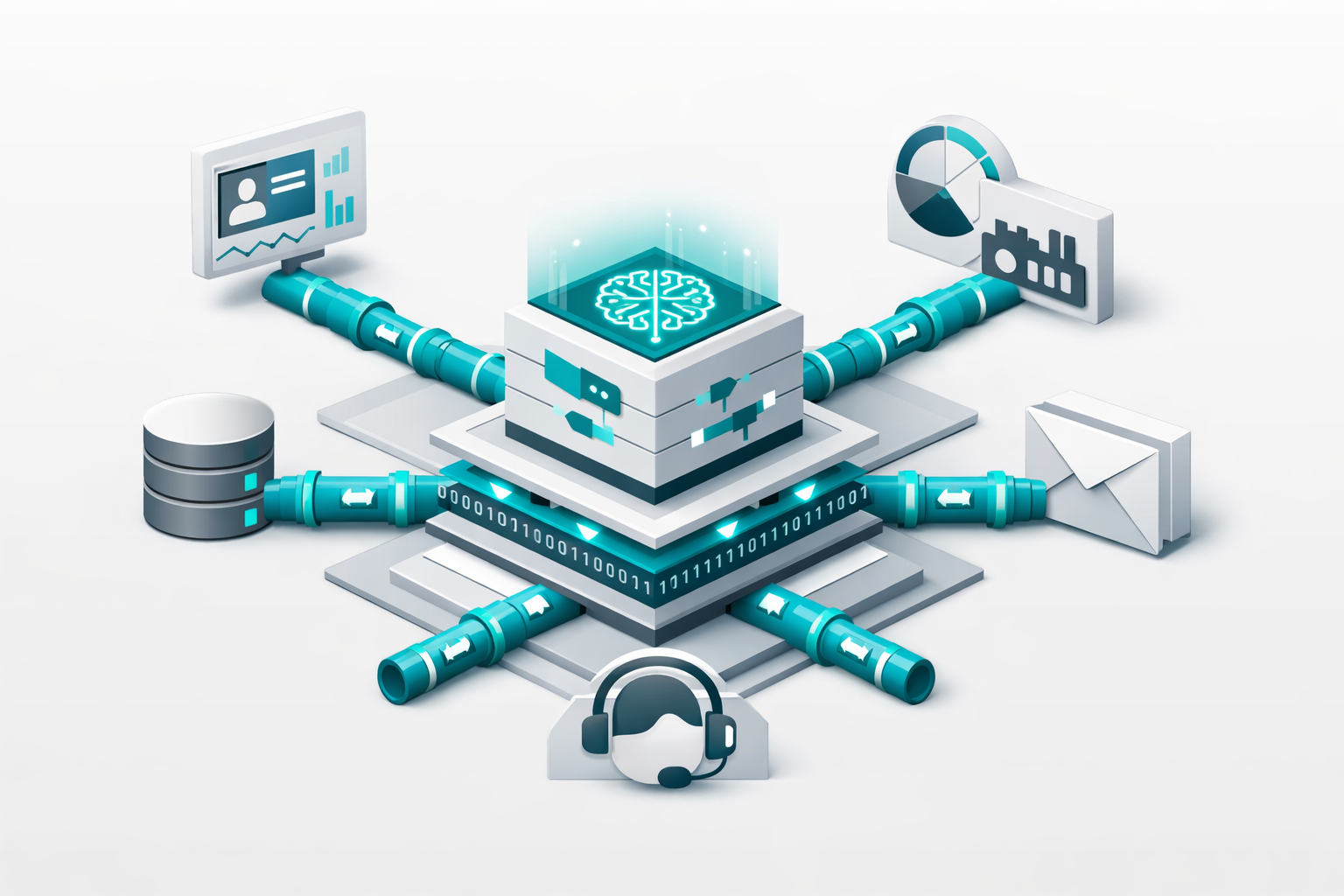
AI integration for Chinatown businesses begins with a system map: documenting every software tool the business uses, the data that flows between them currently (manually or automatically), and the processes that depend on data from multiple systems. The system map reveals both the integration opportunities and the data quality issues that need to be addressed before integration can work correctly.
We then prioritize the integration connections that would produce the highest operational value: the data flows where manual transfer is consuming the most staff time, where errors are creating the most operational problems, and where AI-enhanced automation would have the most impact on the business's ability to serve its customers and manage its operations. Not every possible integration is worth building; we focus on the connections that make a measurable difference.
Integration architecture for Chinatown businesses reflects the actual technical landscape of the tools being connected. Some integrations use native platform connections that already exist between specific software products. Others require API integration work that connects platforms that do not have pre-built connections. Others require automation tools like Zapier or Make that create connections between platforms through rule-based workflows. The architecture is designed around the tools the business already uses rather than requiring tool replacement as a prerequisite.
Bilingual data handling is an element of every AI integration we build for Chinatown businesses. Customer records, product records, and patient records that include Chinese-language data need to be handled accurately throughout the integration pipeline without the Chinese character data being corrupted or lost in the transfer between systems.
Industries We Serve in Chinatown
Restaurants and food businesses on Wentworth Avenue and Cermak Road benefit from AI integration that connects reservation systems to POS data to email marketing platforms, enabling automatic post-visit follow-up, customer segment identification from purchase behavior, and the triggered communication that maintains relationships between visits. Integration also connects inventory management to sales data to enable the reorder automation that prevents stockouts before peak service periods.
Import retailers and specialty food businesses at Chinatown Square and along Archer Avenue benefit from AI integration that connects inventory management to purchase order systems to supplier communication platforms, enabling automated reorder triggering when stock falls below thresholds for specific cultural calendar demand periods and automatic order acknowledgment to suppliers when purchase orders are submitted.
Herbal medicine and traditional health practices on Princeton Avenue benefit from AI integration that connects scheduling systems to patient records to billing platforms, enabling automatic claim submission when appointments are completed, automatic follow-up communication after appointments, and the patient data flow that eliminates manual transfer between the intake form, the scheduling system, and the clinical record.
Bakeries and specialty food retailers in Chinatown Square and along 22nd Place benefit from AI integration that connects custom order management to production scheduling to inventory systems, enabling automatic ingredient reorder when custom order volume exceeds available stock and automatic customer notification when orders are completed.
Cultural institutions and community organizations at the Pui Tak Center and the Chinese American Museum of Chicago benefit from AI integration that connects donor management to email communication to event registration systems, enabling automatic donor recognition, event reminder sequences, and the membership renewal workflows that reduce administrative overhead.
Service businesses and professional practices serving Chinatown's community benefit from AI integration that connects scheduling to client communication to billing systems, enabling automatic appointment reminders, post-service follow-up, and the billing workflows that reduce manual processing time between service delivery and invoice.
What to Expect Working With Us
1. System mapping and integration opportunity assessment. We document the business's current software landscape, map the data flows between systems, and identify the integration opportunities that would produce the most operational value. The assessment includes an evaluation of the data quality in each system, since integration cannot make useful connections between inaccurate or incomplete data.
2. Integration architecture design and tool selection. We design the integration architecture that connects the priority systems, select the integration approach appropriate to each connection, and specify the AI-enhanced automation logic that adds intelligence to the data flows beyond simple transfer. For Chinatown businesses, architecture design includes the bilingual data handling specifications that ensure Chinese-language records are preserved accurately through the integration pipeline.
3. Integration development and testing. We build the integrations, test them against representative data from the business's actual systems, and validate the end-to-end workflows before replacing manual processes with automated ones. Testing for Chinatown business integrations includes testing with both English-language and Chinese-language records to confirm that bilingual data is handled correctly.
4. Deployment, monitoring, and maintenance. We deploy integrations with monitoring that alerts us to failures before they affect business operations, provide documentation of the integration logic so business operators understand what is happening when the system behaves unexpectedly, and maintain the integrations as the underlying software platforms update their APIs and data structures.