How We Build Website Redesign for Bucktown
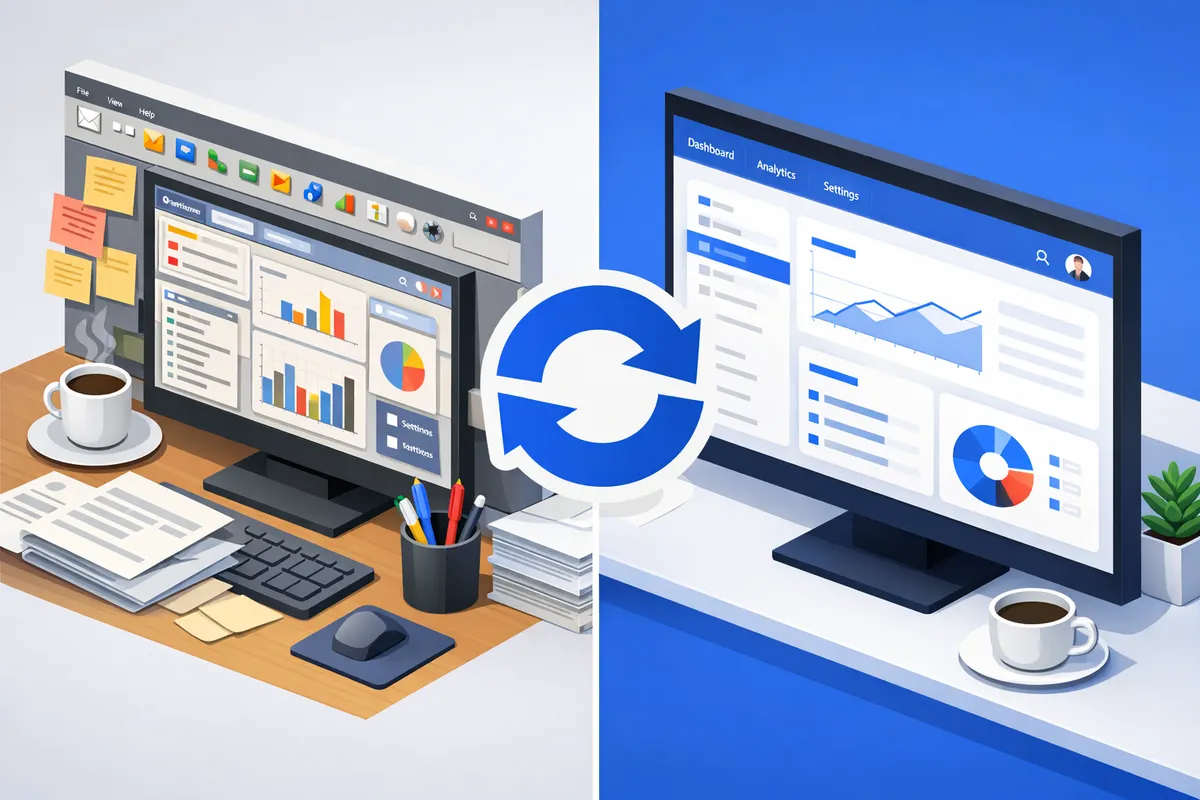
Redesign projects start with a discovery phase that examines current performance before touching design. We pull site analytics, review Google Search Console data, audit the mobile experience, and assess the current site against the business objectives. For a boutique on Damen Avenue, that audit might reveal that fifty percent of site visitors leave from the homepage without engaging, that the mobile site has a layout-shifting image problem that tanks its core web vital scores, or that the navigation structure buries the store hours and address behind three clicks. Those findings drive the redesign priorities more reliably than aesthetic preferences alone.
Content architecture follows. Bucktown boutiques and studios often have sites where the content hierarchy does not match how customers actually use the site. The class schedule should be one tap from the homepage on a yoga studio's mobile site. The address and hours should be visible without scrolling on any local business's homepage. Product categories should be reachable in two taps on a boutique's site. We map the content structure to actual user behavior before wireframing a single page.
The design phase translates the brand identity into a web presence that performs at the level the business occupies. For a Bucktown boutique, that means using real photography of the store and product rather than stock images, a typography and color system that reflects the brand's actual positioning, and page layouts that direct attention deliberately rather than following a generic template. For a design firm in the loft spaces off North Avenue, it means a portfolio structure that showcases work without competing with it, and a contact flow that earns the inquiry. Development happens on a platform appropriate to the business: Shopify for retail, Webflow for service businesses and studios, custom Next.js builds for more complex applications.
Industries We Serve in Bucktown
Boutique clothing and accessories stores on Damen Avenue and Milwaukee Avenue need redesigns that treat the website as a visual experience, not just a catalog. Product photography, story-driven brand pages, and collection landing pages that merchandise the inventory the way the physical store does. Mobile-first navigation so the customer browsing between the Midtown Athletic Club and the next stop on Damen can add to cart in two taps. The redesign should make the product look as good on a phone screen as it does on the store floor.
Yoga and fitness studios near Armitage Avenue and The 606 trail redesign primarily to fix the friction points in their booking and membership conversion paths. The class schedule must load fast and be readable on a small screen. The new student offer must be visible without hunting for it. The instructor roster should communicate the studio culture as clearly as the in-person experience does. A redesigned studio site is a membership sales tool, not a digital brochure.
Coffee shops and specialty cafes near Holstein Park and Churchill Field Park use redesigns to give their physical character a digital voice. Coffee shop sites fail most often at three things: conveying the atmosphere, communicating the menu clearly on mobile, and capturing the loyalty opt-in from new visitors. A redesign that solves all three earns each visit twice, once in person and once in the digital relationship that follows.
Design firms and creative studios in Bucktown's converted loft spaces carry a higher design standard for their own websites than almost any other category. The portfolio structure, the case study depth, and the contact flow are all under scrutiny from prospects who are themselves design-literate. We approach design firm redesigns as if the site is the first piece of work the client will evaluate, because for sophisticated prospects, it is.
Real estate offices and agents on Western Avenue need redesigns that function as lead generation tools, not just listing displays. Property search that works fast on mobile, neighborhood guides that demonstrate local knowledge, and contact flows that convert the browsing prospect into a consultation request. In a neighborhood where buyers invest in character and community as much as square footage, the agent's website should reflect the same values.
Independent restaurants and neighborhood dining venues along North Avenue redesign to eliminate the friction between discovery and reservation. The menu should be readable without downloading a PDF. The reservation link should be above the fold on mobile. The private dining inquiry form should not require ten fields. A restaurant site that loads in under two seconds and makes the reservation flow effortless converts more of the hungry customers who found it in search.
What to Expect Working With Us
1. Performance audit and content review. We start with data rather than opinions. Analytics, search console, mobile usability scores, and content architecture all get reviewed before any design conversation begins. The audit tells us what the current site is and is not doing, and the findings shape the redesign priorities in ways that guesswork cannot.
2. Architecture and content planning. We map the new site structure against actual user behavior: what customers are looking for, in what order, on what devices. The navigation, the page hierarchy, and the content priorities are all set before visual design starts. A boutique's product taxonomy gets resolved here. A studio's class schedule format gets decided here.
3. Design and content production. Visual design, copywriting, and photography direction happen in this phase. We work in your brand voice, draw on photography of your actual space and products wherever possible, and design for the specific aesthetic register your business occupies in Bucktown. Design is reviewed in context, on mobile and desktop, with real content rather than placeholder text.
4. Build, QA, and launch. Development on the appropriate platform, cross-device testing, performance validation against core web vital targets, and a structured launch process that preserves search rankings through the transition. Post-launch monitoring covers the first thirty days to catch anything that behaves differently in production than in staging.