How We Build Multi-Agent Systems for Bucktown
Multi-agent system development begins with detailed workflow mapping. We document how your most important complex workflows actually operate: what triggers them, what stages they move through, who owns each stage, and where the bottlenecks currently live. For a Bucktown branding agency, we map the full brand development workflow from client intake through brand guide delivery. For a marketing agency, we map the content strategy development workflow from client brief through editorial calendar delivery.
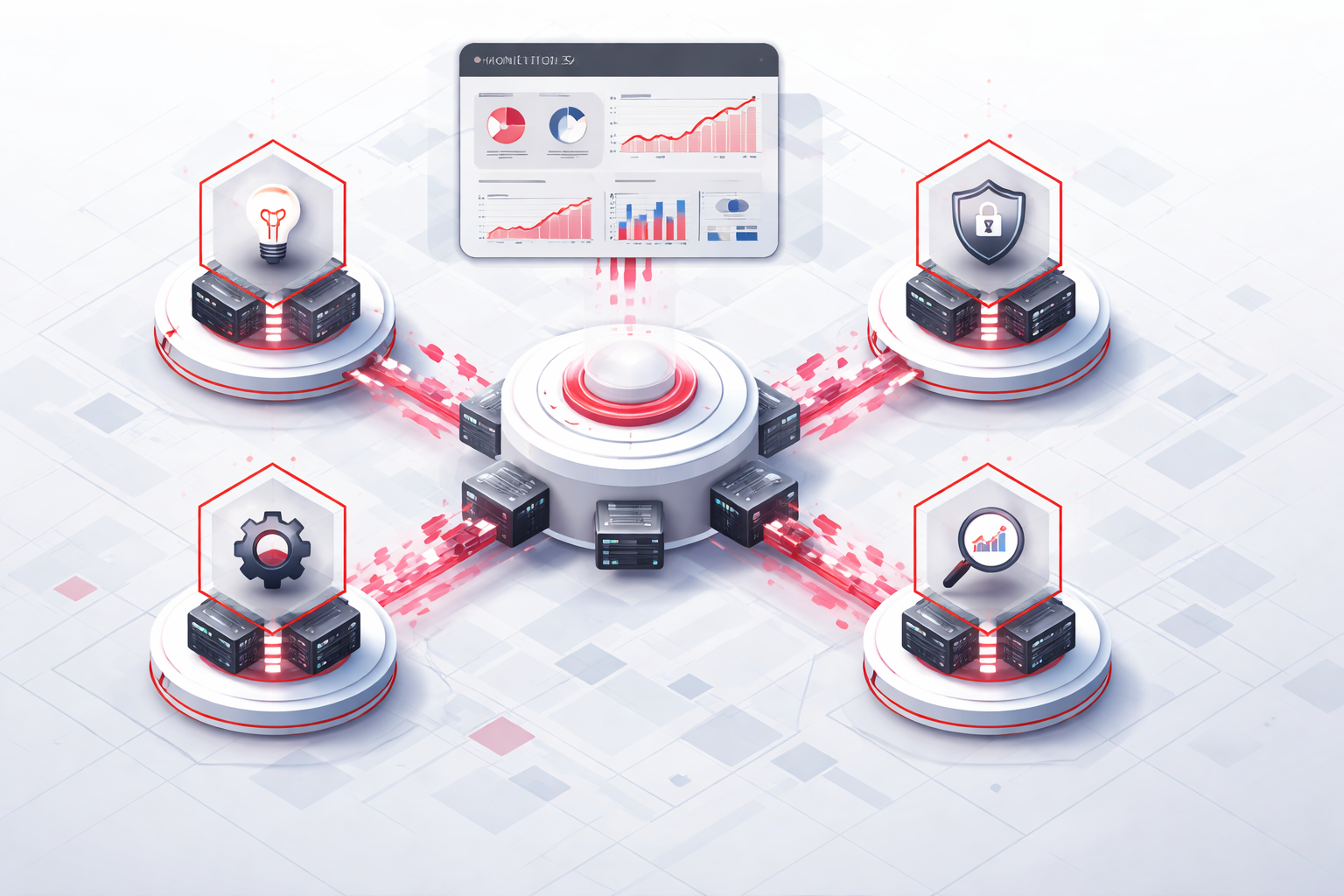
From the workflow map, we design the agent architecture: what specialized agents are needed, what each agent is responsible for, how they coordinate with each other, what quality gates exist between stages, and when human judgment must be applied before the workflow continues. For a complex creative workflow, the architecture might include a research and synthesis agent, a strategy and positioning agent, a creative concept agent, an execution and documentation agent, and an orchestration layer that manages timing and handoffs.
We configure each agent for your specific workflow requirements. Research agents are configured to gather the types of information your workflow needs: competitive landscape data, audience research, market context, precedent analysis. Strategy agents are configured with your firm's strategic frameworks and output formats. Creative agents are configured with your aesthetic parameters and brand constraints. Execution agents are configured with your documentation standards and delivery formats.
We build the orchestration layer that coordinates the agents, manages data flow between stages, applies quality filters before content moves downstream, and surfaces human decision points when the workflow requires judgment that agents are not designed to make autonomously. Most complex creative and strategic workflows have three to five human decision points where the work must be reviewed and directed before continuing.
We test the system against historical work samples before it handles live projects, and we refine the configuration based on output quality and your team's feedback on whether the outputs match the standards your clients expect.
Industries We Serve in Bucktown
Design studios and creative agencies along Milwaukee Avenue and Damen Avenue deploy multi-agent systems to manage brand development workflows. Research agents gather competitive and market context overnight. Strategy agents develop positioning options by morning. Creative agents begin concept exploration while strategy is reviewed and refined. Documentation agents build brand guide frameworks as design is being developed. The sequential workflow becomes parallel, and the studio produces deeper, more comprehensive brand work in the same calendar time.
Marketing agencies and content strategy firms in Bucktown use multi-agent systems to scale content strategy development and content production without scaling headcount. A research agent conducts audience and competitive content analysis. A strategy agent develops the editorial framework and content calendar architecture. Production agents create content briefs and sample content drafts across multiple formats simultaneously. The agency delivers a more comprehensive content strategy engagement while the strategy team focuses on client direction and quality review.
Consulting and professional service firms near The 606 trail and around Holstein Park deploy multi-agent systems for engagement delivery. Research agents gather landscape and precedent information that would take a junior consultant several days to compile. Analysis agents synthesize findings against the firm's strategic frameworks. Documentation agents build presentation structures while the senior consultant is doing client relationship management. The principal delivers the strategic judgment that justifies the engagement fee. The agents handle the execution volume that supports it.
Independent creative professionals working throughout Bucktown use multi-agent systems to handle the research, documentation, and administrative aspects of their creative practice so they can take on more clients without burning out. A freelance brand strategist who uses a research agent for competitive landscape work and a documentation agent for strategy deliverable development can manage three client relationships simultaneously rather than two.
Startup founders and small technology companies in Bucktown's converted-loft offices use multi-agent systems to handle multiple business functions simultaneously. Research agents support product development with market and competitive intelligence. Content agents support marketing and communications. Analysis agents support business development and investor relations. The founding team focuses on the product decisions and relationship management that actually require their judgment.
Event production and creative services firms use multi-agent systems to manage complex event development workflows: venue research, vendor coordination, production planning, client communication, and logistics documentation moving in parallel through coordinated agents rather than sequentially through an overextended production team.
What to Expect Working With Us
1. Workflow mapping and system architecture design. We spend two to three weeks mapping your most important complex workflows and designing the multi-agent architecture that will execute them. We identify human decision points, quality gates, and coordination requirements. We present the architecture for your review and get alignment before building begins.
2. Agent configuration and orchestration development. We build and configure the specialized agents for your workflow, establish the orchestration layer that coordinates them, and build the interfaces through which your team reviews outputs at each decision point. This phase typically takes four to six weeks depending on workflow complexity.
3. Historical testing and calibration. We run the system against historical work samples from past projects and calibrate agent performance against the quality standards your clients expect. We iterate on configuration until outputs match those standards across the full range of scenarios the workflow encounters. We involve your team in review throughout this phase.
4. Phased deployment and optimization. We deploy the system on live projects with close monitoring, review all outputs with your team during initial deployment, and progressively extend autonomous operation as accuracy and quality confidence builds. We continue optimizing agent performance based on live project results and evolve the system as your workflows and client requirements develop.