How We Build Legacy System Integration for Bucktown
Bucktown's independent businesses are small, and small businesses have limited tolerance for integration projects that drag on. We scope Bucktown projects conservatively, prioritize the integrations that deliver the most immediate operational relief, and build in stages that deliver value early rather than requiring a months-long build before anything improves.
Discovery for Bucktown clients begins with understanding which data gap is causing the most operational pain. For a boutique on Damen Avenue, it is almost always inventory synchronization. For a yoga studio near the 606, it is usually member data access for marketing and booking. For a design firm on Milwaukee Avenue, it is typically billing and project data alignment. We document that primary pain point thoroughly and then identify whether secondary integrations are feasible in the same project scope or better addressed in a subsequent phase.
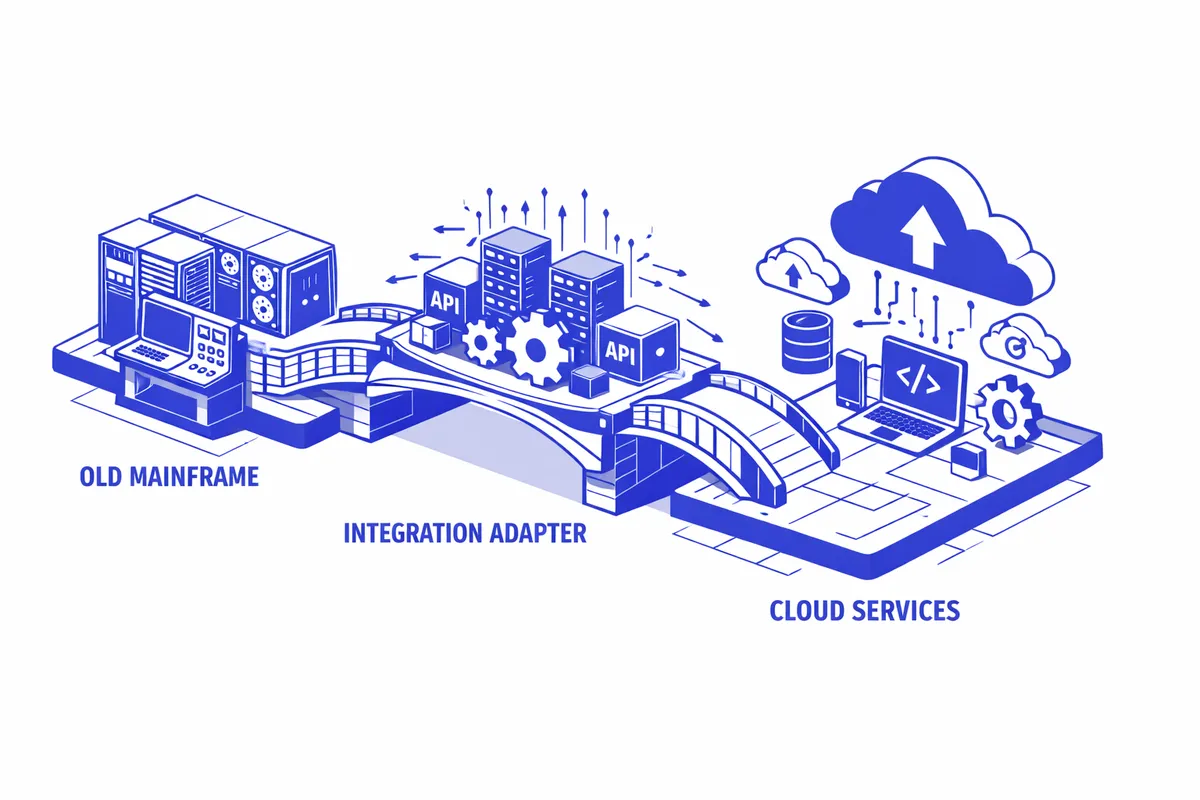
Integration architecture for Bucktown's small businesses typically involves file-based or scheduled API integration rather than real-time event-driven integration. Real-time integration requires both systems to support webhook or streaming capabilities, which older platforms designed for small businesses often do not. Scheduled integration, running every 15 or 30 minutes, delivers near-real-time synchronization that is sufficient for most Bucktown business needs while working reliably with legacy systems that support only batch export.
Industries We Serve in Bucktown
Boutique Clothing Stores: Bucktown boutiques along Damen Avenue with legacy in-store inventory systems and newer e-commerce storefronts or wholesale channels need integration that keeps inventory synchronized across all selling channels without requiring staff to manage multiple records manually.
Yoga Studios and Fitness Businesses: Yoga studios near the 606 trail and wellness businesses throughout Bucktown use legacy membership management platforms that need integration with email marketing tools, online class booking systems, and billing analytics to deliver the member experience that modern clients expect.
Design Firms: Design studios working from converted lofts on Milwaukee Avenue and Western Avenue use project management, billing, and CRM tools that operate as disconnected islands. Integration connects them so project and client data flows automatically between systems without manual entry.
Independent Restaurants: Restaurants along Armitage Avenue and North Avenue with established POS systems need integration with cloud accounting tools, reservation platforms, and delivery aggregators that the restaurant now uses alongside its original POS.
Real Estate Offices: Real estate offices serving Bucktown's active residential market use older CRM and listing management systems that need integration with modern client communication tools, digital marketing platforms, and transaction management software.
Coffee Shops: Independent coffee shops anchoring Bucktown's neighborhood retail fabric use POS and loyalty systems that need integration with marketing and customer communication tools that build repeat business from the neighborhood's residential base.
What to Expect Working With Us
1. Pain-First Scoping: We begin by identifying which integration gap is causing the most operational friction for your specific Bucktown business. We scope the first integration around that primary pain point and deliver it before moving to secondary integrations. This approach lets you see value quickly and decide how far to extend integration based on real experience with the first connection.
2. Legacy System Capability Assessment: We document exactly what your legacy system can do in terms of integration. Most older platforms designed for small businesses have some export or data access capability, even if they have no formal API. Understanding the specific capabilities of your system determines what integration approaches are feasible and how frequently data can synchronize.
3. Build and Test: We build integration against production-representative data from your actual system, not sample data. Bucktown's boutiques have inventory with real product codes, variants, and pricing structures. Your legacy system's actual data has quirks that sample data does not. Testing against production-representative data catches those quirks before they become runtime failures.
4. Handoff and Documentation: After deployment, we provide documentation of what the integration does, what it monitors, and what steps your team should take when something unexpected occurs. Bucktown's independent businesses typically do not have dedicated technical staff, so integration documentation needs to be readable by business owners, not engineers.