How We Build Computer Vision in Bucktown
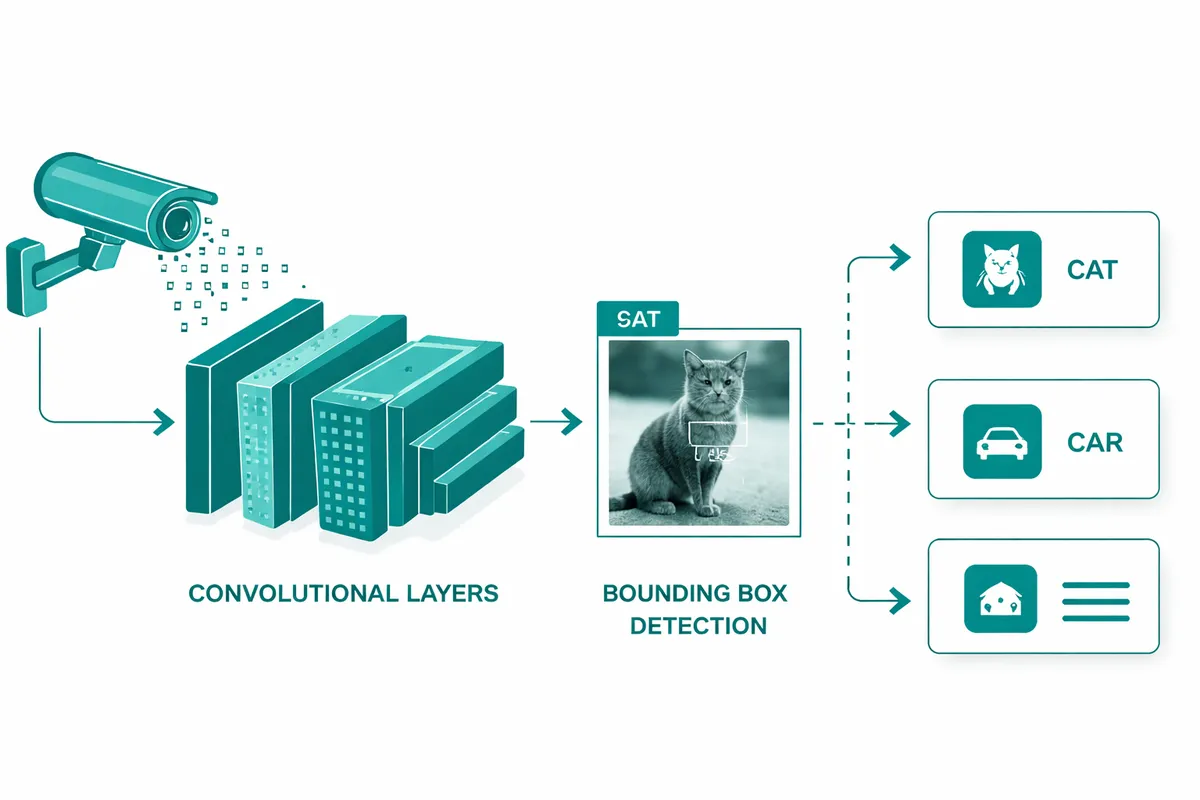
We assess your visual data needs and build the right solution for your specific operations. For retailers, that means training product recognition models on your actual inventory and deploying visual search on your website or app. Models learn your brand's aesthetic vocabulary so a "warm minimalist" query returns different results than "cool Scandinavian," even when the products share similar shapes. For restaurants and cafes, we integrate discreet traffic analysis that counts customers, monitors table turnover, and identifies peak periods without invasive hardware. For design businesses, we build image classification systems that organize, tag, and retrieve visual assets automatically across project archives. We validate the accuracy of every model against your real data before going live.
Industries We Serve in Bucktown
Boutiques and retailers along Damen Avenue deploy visual product search, automated product tagging, and customer traffic analysis. Shoppers upload a photo from Instagram or Pinterest and find matching items from your inventory in seconds. Automated tagging eliminates the hours spent manually categorizing new arrivals. One Bucktown boutique added visual search to their Shopify store and saw 18 percent of all product discoveries originate from photo uploads within the first 45 days, with those sessions converting at nearly double the rate of keyword searches because the customer already knew what aesthetic they wanted.
Cafes and restaurants near North Avenue use computer vision for traffic counting, table turnover analysis, and kitchen workflow monitoring. A brunch spot installed discreet sensors that track occupancy patterns by hour and day of week. The data revealed that their 11 AM to 1 PM Saturday window was operating at 94 percent capacity while Sunday at the same time ran at only 68 percent, prompting a targeted Instagram campaign for Sunday brunch that lifted occupancy by 15 points within a month. Kitchen monitoring identifies bottleneck stations during rush periods, informing prep adjustments and station reorganization.
Design studios and creative businesses on Armitage Avenue use computer vision for automated asset tagging, visual quality control, and portfolio organization across libraries containing thousands of project images. A studio with 15,000 project photos trained a classification model that tags images by project type, room, style, color palette, and completion status. Portfolio searches that previously required scrolling through folders now return results in seconds, cutting proposal preparation time by 40 percent.
What to Expect Working With Us
1. Visual data strategy: We identify which computer vision applications will have the greatest impact on your specific business. For a Damen boutique, visual search and automated tagging are usually the highest priority. For a cafe, it is traffic and table turnover analytics. For a design studio, it is asset organization. We build a deployment plan that sequences applications by impact.
2. Model training on your visual vocabulary: We train AI models on your actual products, your brand's aesthetic language, and your physical space. A model trained on generic product images will not understand what makes a piece "Bucktown" versus "Lakeview." We train on your specific inventory so the outputs reflect your brand.
3. System integration: We connect computer vision outputs to your existing systems. Visual search integrates with your Shopify or WooCommerce store. Traffic analytics connect to your POS or scheduling system. Asset tagging connects to your project management or portfolio tool. The goal is seamless workflows, not standalone dashboards.
4. Performance review and model improvement: We review system performance monthly, retrain models on new inventory or updated project archives, and expand capabilities as your business grows. Visual search models improve with every customer interaction as the system learns what your specific customers consider a "match."