How We Build UI/UX Design for Bronzeville
Our design process for Bronzeville products begins with the specific user populations that Bronzeville businesses serve. We do not start with a generic persona template. We conduct primary research with Bronzeville's business community, cultural institutions, and neighborhood networks to understand what users in this specific context need, how they evaluate digital tools, and where existing products are failing them.
For Bronzeville financial services and consulting firms, this means research with professionals who understand the difference between a product designed for their community and one that treats them as an afterthought. For cultural institutions near the Chicago Bee Building and the Victory Monument, this means research with community members across ages and literacy levels, not just the organization's most tech-comfortable stakeholders. For the community commerce and neighborhood business platforms being built by Bronzeville founders, this means testing with actual small business owners on King Drive and 43rd Street who will decide whether to adopt the product based on whether it fits their actual workflow.
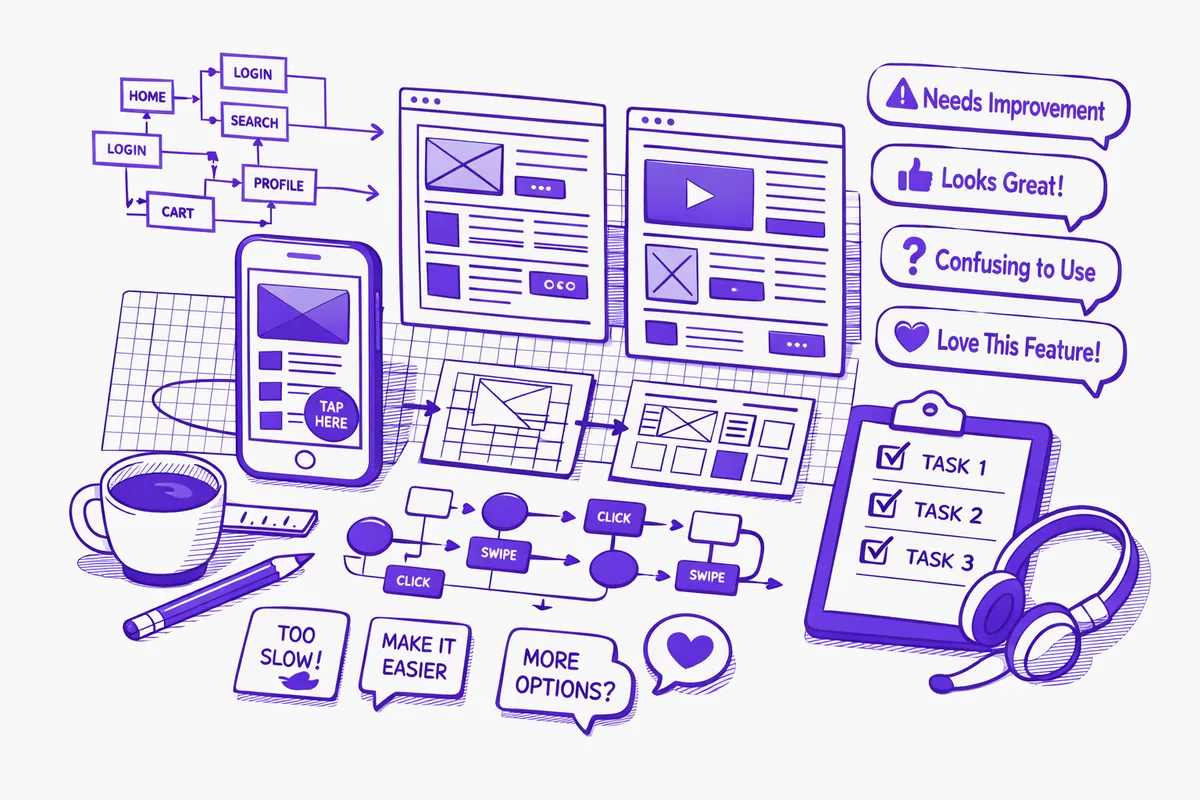
Information architecture decisions for Bronzeville products reflect the specific context of use: the cultural institution staff member who needs to find event programming information quickly without navigating three levels of nested menus, the financial services client who needs to understand their account status at a glance on a mobile screen. We design navigation, content hierarchy, and interaction patterns for real use contexts before we design any visual surface. High-fidelity interfaces and design systems follow, documented for the engineering teams building Bronzeville founders' products.
Industries We Serve in Bronzeville
Financial services and consulting firms along Indiana Avenue and Michigan Avenue work with clients who evaluate credibility through every touchpoint. Client portal design, proposal interfaces, reporting dashboards, and onboarding flows built to the standard that Bronzeville's professional services community deserves. Research-validated design that reduces friction for clients who have made the decision to trust.
Cultural nonprofits and community institutions anchored near the DuSable Black History Museum, the Bronzeville Walk of Fame, and the Chicago Bee Building need digital tools that work across their full community. Programming portals, membership management interfaces, event registration flows, and digital archive access designed for the range of users who engage with Bronzeville's cultural heritage organizations.
Black-owned restaurants and food businesses along 35th Street and King Drive are building digital ordering, reservation, and loyalty experiences for a community that has strong opinions about which digital tools reflect their values. Ordering interfaces, catering request flows, and customer-facing platforms designed with the actual aesthetic and functional preferences of Bronzeville's food community.
Small publishers and media businesses in the Bronzeville tradition of independent Black publishing are building editorial platforms, subscriber portals, and content management interfaces that serve readers who have relationship with independent Black media. Content discovery, subscription management, and community engagement features designed for the specific reading and community culture of Bronzeville's information economy.
Barbershops and salons along King Drive and Cottage Grove Avenue are the operational hubs of Bronzeville's social economy. Booking interfaces, client management tools, and loyalty programs designed for the actual booking and communication patterns of Bronzeville's personal care community, not the generic patterns assumed by off-the-shelf salon software.
Community health and social services organizations serving Bronzeville's residential population need intake, scheduling, and case management interfaces that work for clients who may be accessing services during stressful circumstances, on shared or older devices, with limited time. Accessible, clear interface design for the organizations doing the real work of health and community support in Bronzeville.
What to Expect Working With Us
1. Discovery and research. We begin by understanding your users, your product context, and the specific dynamics of Bronzeville's market. This includes stakeholder interviews, review of any existing analytics or user feedback, and primary research with members of Bronzeville's business and residential community who match your target user. For Bronzeville products, the research phase often surfaces the gap between how operators understand their users and how those users actually experience digital tools.
2. Information architecture and wireframing. Before visual design, we establish how the product is organized: what navigation structure serves your users, how features are grouped, what content hierarchy makes sense for the decisions your users are making. Wireframes let Bronzeville founders and their stakeholders review the structure and flow quickly, without being distracted by visual design, so issues are caught before the expensive work begins.
3. High-fidelity design and prototype. Pixel-precise interface design built in Figma, with an interactive prototype that lets Bronzeville stakeholders and test participants experience the product before development begins. Design system creation ensures every component is consistent, documented, and ready for the engineering team to build from.
4. Testing, iteration, and handoff. We test the prototype with real users from Bronzeville's community who match the target population. Findings from testing are incorporated before development handoff, so the engineering team builds what is validated. We remain available during implementation to prevent design drift and ensure the built product reflects the design quality the research validated.