How We Build Multi-Agent Systems for Bronzeville
We begin by mapping the complex workflows in your organization that would benefit from multi-agent coordination. For nonprofits near the DuSable Black History Museum, we might map fundraising campaign development, grant proposal preparation, program documentation, or donor relationship management. For healthcare organizations, we might map clinical program development, quality improvement initiatives, or staff training creation. For law offices, we might map case research, brief writing, or litigation support workflows. For consulting firms, we might map proposal development, client research, or deliverable production.
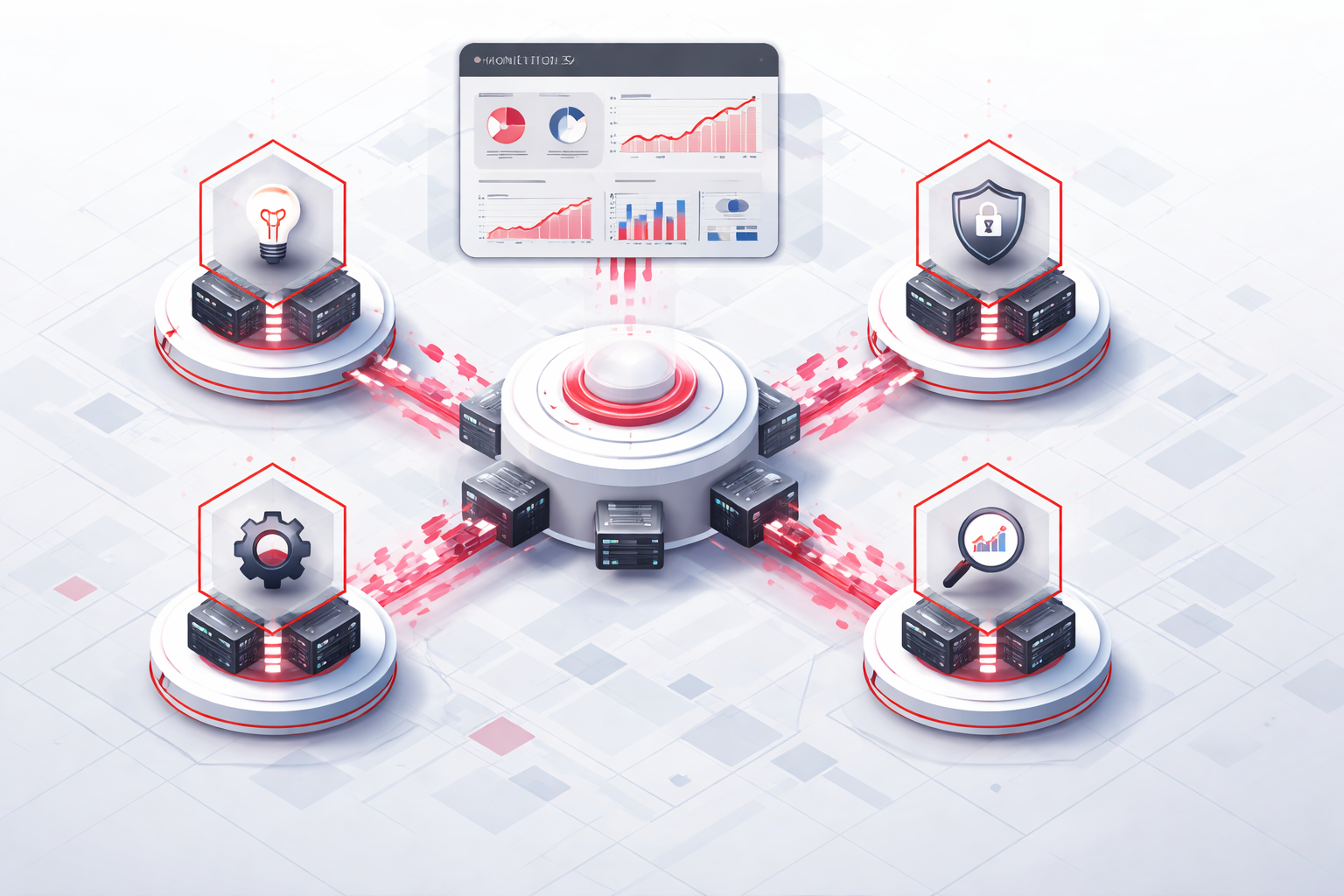
For each workflow, we define the specialized agents needed and the orchestration logic that sequences them. Most complex Bronzeville workflows need four agent types: a research and discovery agent, a content and writing agent, an analysis and quality agent, and an orchestrator that manages the entire flow. Some workflows need additional specialization, such as a financial modeling agent for consulting proposals or a legal research agent for case work.
Agent configuration is specific to the Bronzeville organization's context. A research agent configured for a nonprofit near the DuSable Black History Museum understands Bronzeville's cultural and philanthropic landscape, the specific program areas the organization works in, and the donor segments it serves. A writing agent configured for a law office understands legal writing conventions, the specific practice areas of the firm, and the audience for each type of document. Generic agent configurations produce generic outputs. Specificity produces quality.
Orchestration manages the workflow end to end: sequencing agents, managing data handoffs between stages, maintaining quality standards at each gate, and flagging situations where human judgment is required before proceeding. The orchestrator ensures the research agent completes before the writing agent begins, that the writing agent's output is reviewed before the analysis agent clears it for delivery, and that exceptions are escalated to humans rather than processed incorrectly.
Integration connects the multi-agent system to your existing tools. Research agents access databases, document repositories, and external sources relevant to your workflows. Writing agents access your document templates and brand voice guidelines. Output flows into the systems your team already uses rather than requiring new platforms.
Industries We Serve in Bronzeville
Nonprofits and community organizations along Cottage Grove Avenue and across the Bronzeville corridor deploy multi-agent systems for fundraising campaign development, grant proposal preparation, program documentation, and donor relationship management. Leadership focuses on mission, strategy, and community relationships while agents handle the research and writing that previously consumed most staff capacity.
Healthcare organizations and medical practices near Indiana Avenue use multi-agent systems to develop clinical programs, create staff training materials, manage quality improvement initiatives, and prepare patient communication packages. Clinical leadership focuses on patient care and medical expertise while agents handle research, documentation, and coordination.
Law offices and legal service providers serving the Bronzeville community deploy multi-agent systems to handle case research, develop litigation strategy documentation, draft preliminary brief materials, and manage case documentation workflows. Attorneys focus on client relationships and legal strategy while agents handle research and preliminary document production.
Financial services and consulting firms along Michigan Avenue and across the Bronzeville professional services corridor deploy multi-agent systems to develop client strategies, prepare proposals, conduct competitive and market research, and track client outcomes. Advisors and consultants focus on client relationships and judgment-based work while agents handle research and documentation.
Cultural institutions and arts organizations connected to Bronzeville's identity use multi-agent systems for grant proposal development, program documentation, audience research, and organizational communication. Programming staff focus on cultural work and community relationships while agents handle the research and writing that supports that work.
Academic and research organizations connected to Bronzeville's intellectual tradition use multi-agent systems to manage research programs, develop grant proposals, coordinate multi-author projects, and prepare manuscripts. Researchers focus on inquiry and analysis while agents handle coordination and preliminary writing.
What to Expect Working With Us
1. Workflow mapping and agent definition. We work with your team to identify the complex workflows most worth automating, map each one step by step, and define the specialized agents and orchestration logic needed. We establish success criteria so we can evaluate performance against a baseline once the system is running.
2. Agent configuration and orchestration architecture. We configure specialized agents for your workflows, design the orchestration logic that sequences them, and establish quality gates and escalation points. Configuration is specific to your Bronzeville organization's context, voice, and subject matter rather than generic.
3. Integration and workflow testing. We integrate the multi-agent system with your existing tools and test it on actual workflows from your operations. We refine based on output quality and team feedback before full deployment. Edge cases are handled in testing rather than discovered after the system is in production.
4. Deployment and continuous improvement. We deploy the system and monitor it closely in the first weeks. We gather feedback, identify refinements, and improve agent performance based on real workflow results. As your team gains confidence in the system, we identify additional workflows worth adding to the automation portfolio.