How We Build Custom ERP for Bronzeville
Every engagement starts with structured discovery: two to three weeks of workshops and working sessions with your leadership, operations, and finance teams. For a Bronzeville consulting firm, discovery maps every client engagement from intake to billing. For a cultural nonprofit, it maps every grant from award to final report, every program from planning to execution, and every vendor relationship from contract to payment.
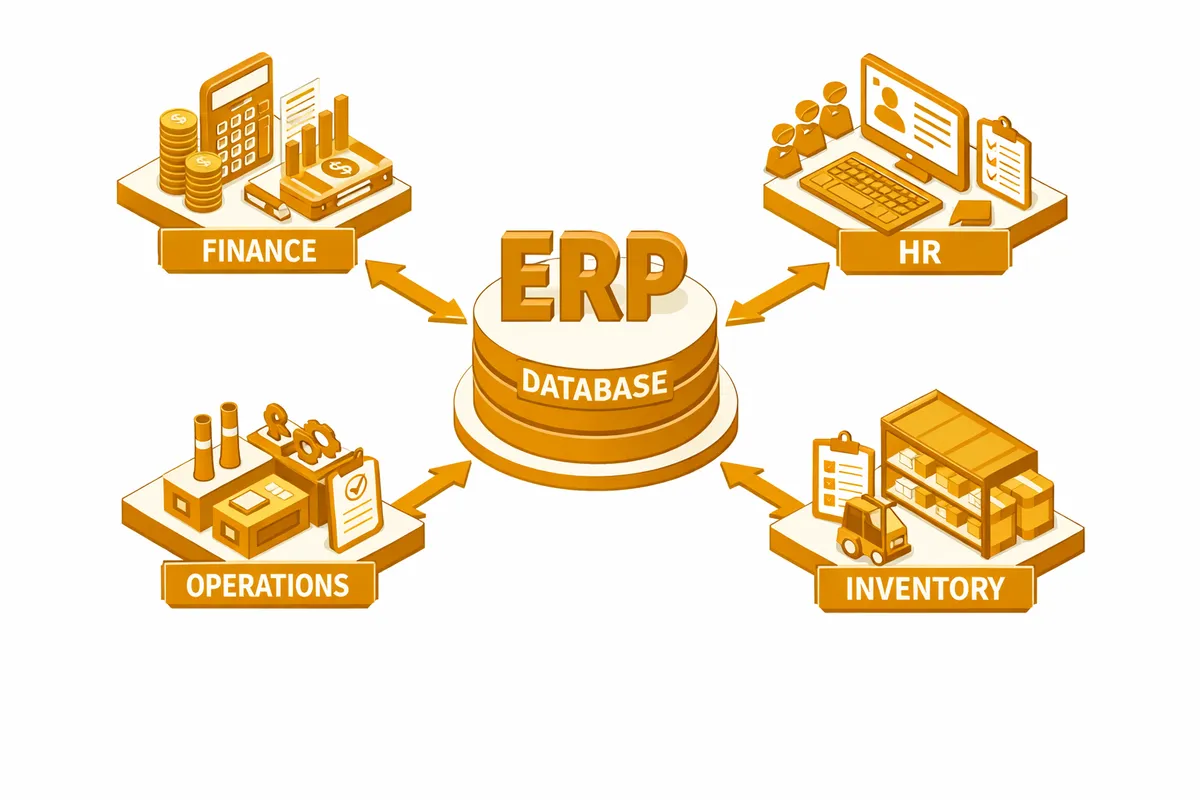
From discovery, we design the module architecture and data model. A consulting ERP for a Bronzeville firm typically includes client relationship management, project and engagement tracking, time and expense capture, billing and invoicing, and management reporting. A nonprofit ERP typically includes grant lifecycle management, program operations, volunteer and staff management, donor relationship tracking, and funder reporting. These are not templates. The module structure reflects what your organization actually needs.
Implementation is phased. Your team has production software handling the most critical operational area within twelve to eighteen weeks. Subsequent phases add capabilities without disrupting the foundation already in place. We work around your operational calendar, which for a Bronzeville cultural institution typically means aligning delivery milestones with grant reporting cycles and programming seasons.
Industries We Serve in Bronzeville
Consulting firms on Indiana Avenue and along the King Drive corridor manage client engagements, deliverables, billing, and relationship history across tools that were not designed to work together. A custom ERP integrates these into a single client and project management platform with billing and financial reporting built in.
Cultural nonprofits near the DuSable Black History Museum and the Chicago Bee Building manage grants, programming, and community partnerships with operational complexity that standard nonprofit software handles only partially. A custom ERP covers grant lifecycle, program management, and community relationship data in one connected system.
Financial services and insurance practices serving Bronzeville residents need client management, document handling, compliance tracking, and performance reporting beyond what generic small-business CRM provides. A purpose-built ERP handles the full client lifecycle for financial and insurance professionals.
Black-owned restaurants and hospitality groups expanding beyond a single location on 35th Street or Cottage Grove Avenue need ERP that consolidates purchasing, labor management, and financial reporting across locations without relying on manual reconciliation between POS and accounting systems.
Small publishers and media companies with roots in Bronzeville's long tradition of Black press and cultural production manage editorial workflows, author relationships, licensing, and sales data in systems that rarely connect. A custom ERP integrates editorial operations and rights management with financial reporting.
Community health and social services organizations working near the Victory Monument and along Michigan Avenue track client cases, service delivery, funder compliance, and staff operations across disconnected tools. A custom ERP brings case management, service tracking, and administrative operations into one platform.
What to Expect Working With Us
1. Discovery and mapping. Two to three weeks of structured sessions with your leadership and operations teams mapping every workflow, every data requirement, and every integration point. For Bronzeville organizations, this includes understanding the relationship between your programs, your funders, and your community obligations.
2. Architecture and plan. We design the module structure, data model, and phased delivery plan specific to your organization. You review and approve before any development begins. No surprises.
3. Phased implementation. We deliver your highest-impact module first, with production software live within twelve to eighteen weeks. Each subsequent phase adds capability without disrupting the foundation.
4. Launch and support. Post-launch monitoring, operational validation, and a warranty period covering any issues found during the first months of use. Optional ongoing maintenance retainers for feature additions and operational evolution.