How We Build AI Compliance Governance for Bronzeville
We begin with a regulatory landscape assessment specific to your business type and AI use cases. A financial services firm along Indiana Avenue operates under different compliance obligations than a cultural nonprofit near the DuSable Black History Museum. A healthcare practice has HIPAA requirements that a consulting firm does not. We map the specific regulations that apply to your business, identify how your current AI use intersects with those regulations, and document the compliance gaps that need to be addressed.
We then interview leadership and review existing AI systems and data practices. We map how customer data flows through your AI tools, what decisions those tools are involved in, and what documentation currently exists for system validation and monitoring. Most smaller Bronzeville businesses find this audit reveals both more AI use than they realized and less documentation than they need.
Risk prioritization follows. Not every AI use case carries equal compliance risk. An AI tool used to draft internal emails carries different risk than an AI system used to score loan applications or support clinical decisions. We prioritize risks by likelihood and severity and develop a governance roadmap that addresses the highest-priority risks first.
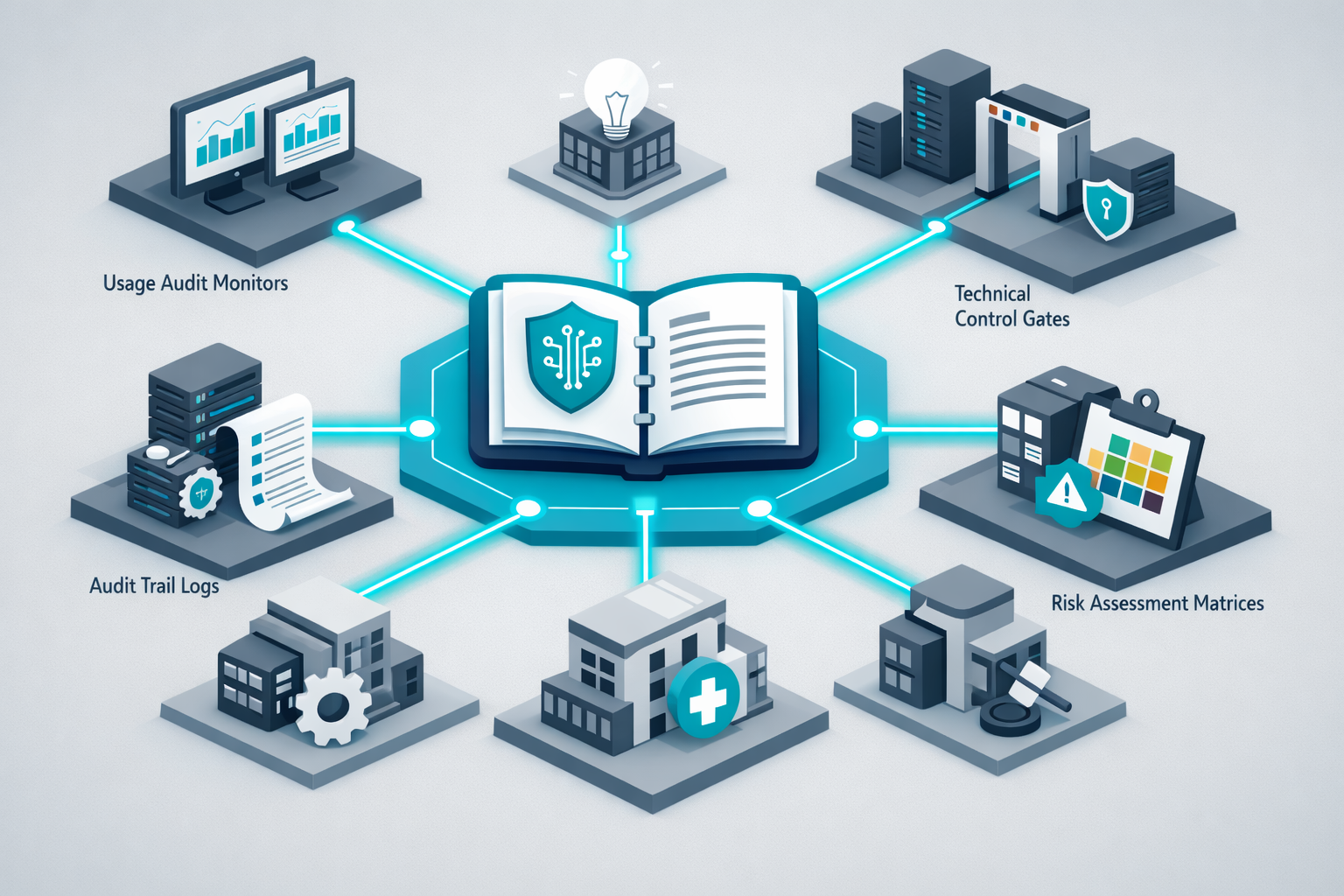
Policy and governance framework development produces the documentation your business needs. We draft AI use policies appropriate for your organization, create governance processes for AI system evaluation and monitoring, establish roles and responsibilities for ongoing AI oversight, and document everything in a format that would satisfy regulatory review. For Bronzeville businesses where community trust is a core asset, these frameworks also serve as the basis for transparent client communication about how AI is used and what protections are in place.
System documentation and validation covers any AI systems already in operation. We document how they work, what training data or configuration was used, how they have been tested, and what monitoring is in place. For new AI systems under consideration, we establish validation requirements before deployment. Audit readiness is the goal: if a regulator or client asks, the documentation is there and it is clear.
Ongoing monitoring establishes metrics and review cadences so governance does not become a one-time exercise. AI systems evolve, regulations change, and business practices shift. We build review schedules and escalation procedures into the governance framework so compliance remains current as your AI use grows.
Industries We Serve in Bronzeville
Financial services and lending businesses along Indiana Avenue and across the Bronzeville corridor use AI compliance governance to ensure lending and investment algorithms meet fair lending standards, demonstrate that client data is properly protected, and establish audit-ready documentation of decision-making processes that can be explained to regulators and clients alike.
Healthcare providers and medical practices serving Bronzeville establish governance frameworks ensuring that any AI used in patient-adjacent work is validated, that patient privacy is protected under HIPAA, that clinical outcomes are monitored, and that the system's limitations are documented so staff use it with appropriate judgment.
Legal services and law offices near 43rd Street and across the neighborhood use AI governance to ensure AI-assisted research and document review meets professional ethics standards, that client confidentiality is protected, and that attorney oversight of AI-assisted work is documented and defensible.
Insurance agencies and brokers serving the Bronzeville community establish frameworks ensuring AI used for underwriting or claims assessment does not produce discriminatory outcomes, that pricing is explainable and fair, and that customer data is protected under applicable insurance regulations.
Nonprofits and community organizations connected to Bronzeville's cultural and civic infrastructure deploy governance frameworks ensuring beneficiary and donor data is protected, that AI-assisted decision-making in program delivery is fair, and that the organization can demonstrate responsible data stewardship to funders and community partners.
Consulting and professional services firms establish governance ensuring AI-assisted work product is reviewed before delivery to clients, that conflicts of interest are managed, that client data is protected, and that the role of AI in any deliverable is disclosed and handled appropriately under professional ethics rules.
What to Expect Working With Us
1. Regulatory landscape assessment and risk identification. We review your business type, your AI use cases, and the regulatory frameworks that apply. We identify compliance gaps and governance risks. We prioritize by likelihood and severity and present a remediation roadmap that addresses the highest-risk areas first.
2. Policy and governance framework development. We draft AI use policies, governance processes, and role definitions appropriate for your business and your community values. We get stakeholder input, refine the framework until it reflects your organization's specific context, and ensure everything is documented for audit readiness.
3. AI system documentation and validation. For systems in operation, we document how they work, how they were tested, and what monitoring is in place. For systems under consideration, we establish validation requirements before deployment. Every AI system your business uses gets governance documentation.
4. Training and ongoing governance support. We train your team on the policies and processes. We establish monitoring schedules and regulatory update reviews. We provide ongoing support as new AI tools are considered, regulations change, or your business context evolves.