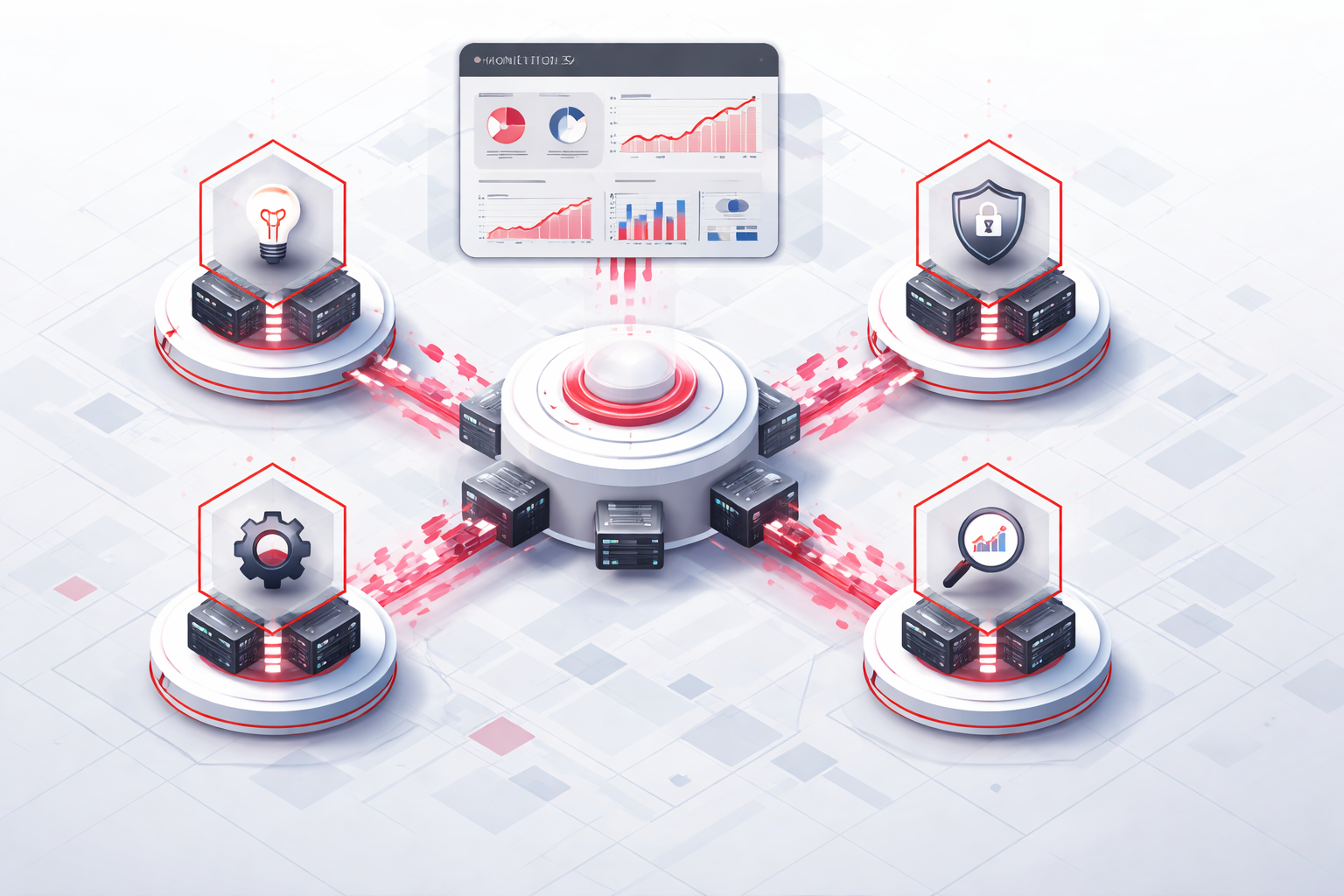
How We Build Multi-Agent Systems for Bridgeport
Our process begins with mapping your most complex recurring workflows. We look for workflows that are multi-step, require different types of thinking at each step, and take significant time or create bottlenecks when executed manually. For a gallery near the Zhou B Art Center, that is typically the exhibition development workflow: artist research, curatorial writing, marketing strategy, promotional content, and collector outreach. For a contractor, it is the project development workflow: site assessment, project planning, cost estimation, and client proposal writing. For a restaurant, it is the menu development workflow: concept research, recipe development, cost analysis, menu writing, and staff training materials.
For each workflow, we identify the specific agents needed and configure each with instructions, knowledge, and quality standards appropriate to its specialized role. A research agent is configured to gather information broadly, identify authoritative sources, and produce structured summaries that downstream agents can use directly. A writing agent is configured to produce content in your voice and style, drawing on the research agent's output. An analysis agent is configured to review work for accuracy, flag issues, and suggest improvements. A creative agent is configured to generate novel angles, explore alternative framings, and identify opportunities the sequential workflow might miss. An editorial agent is configured to review all output against your brand and quality standards before the workflow is complete.
We then build the orchestration layer that coordinates these agents in sequence with defined handoffs and feedback loops. When a step produces output that does not meet quality standards, the orchestration routes it back for revision rather than passing flawed work downstream. Human review gates at critical points ensure that the system catches issues before they compound across later steps.
We integrate the multi-agent system with your existing tools and processes so output flows directly into your business systems. For a gallery, completed exhibition copy flows into email templates and the website. For a contractor, completed project plans flow into project management software. For a restaurant, completed menu descriptions flow into POS systems and staff training portals. The system produces finished output, not drafts requiring extensive manual work to deploy.
Industries We Serve in Bridgeport
Galleries and cultural institutions near the Zhou B Art Center and along Morgan Street deploy multi-agent systems to research featured artists comprehensively, develop exhibition concepts, write curatorial copy across every catalog and marketing touchpoint, plan promotional campaigns, and prepare targeted collector outreach so curators focus on eye and judgment while agents handle the research, writing, and planning volume that would otherwise consume the weeks before every opening.
Contractors and construction firms operating from Bridgeport use multi-agent systems to conduct thorough site assessments, translate site conditions into detailed project plans, estimate costs with material and labor specificity, draft professional client proposals, and generate progress reporting so project managers stay on-site and in client relationships while agents handle the documentation and analysis that drives business development and client retention.
Restaurants and food businesses along 31st Street and Halsted Street deploy multi-agent systems to research menu concepts rooted in Bridgeport's multicultural food traditions, develop recipes with cost analysis built in, source specialty ingredients from local and regional suppliers, write menu descriptions that sell each dish, and create staff training materials so chefs focus on cooking and owners focus on the business while development and planning work happens in the background.
Small manufacturers and artisans near the Zhou B Art Center use multi-agent systems to research market opportunities and competitive positioning, develop product concepts, write marketing copy and product descriptions, analyze production costs and pricing strategy, and plan production logistics so makers focus on craft while agents handle the business development and operations research that determines whether their work reaches the right customers at sustainable margins.
Professional service firms in Bridgeport deploy multi-agent systems to research client situations and competitive context, develop proposal strategies, write complete proposals, analyze engagement planning, and track project delivery quality so partners focus on client relationships while agents handle the proposal and planning work that competes for the same hours.
Nonprofits and community organizations serving Bridgeport's Irish, Chinese, and Latino communities use multi-agent systems to research funding opportunities, develop grant strategies, write complete grant proposals, plan community campaigns, and manage donor acknowledgment so executive leadership focuses on mission and community relationships while agents handle the fundraising and communications work that keeps programs funded.
What to Expect Working With Us
1. Workflow mapping and agent definition. We work with your team to identify which workflows would benefit most from multi-agent coordination. We map each workflow step by step, define the specialized agents needed at each step, and establish the quality standards and success criteria that will tell us whether the system is delivering value. This phase produces a detailed blueprint before any system is built.
2. Agent configuration and orchestration design. We configure each agent with the appropriate role, knowledge base, and output standards. We design the orchestration logic that sequences the agents, defines handoffs, establishes feedback loops for quality issues, and sets the human review gates at critical decision points. We document all configuration so you understand exactly how the system makes decisions.
3. Integration with your existing systems. We connect the multi-agent system to your existing tools so output flows directly into the platforms your team already uses. Completed work should require minimal additional handling to be deployed, not extensive reformatting and manual transfer between systems.
4. Testing, optimization, and baseline measurement. We test the system on real workflows, measure quality and speed against your previous manual process, and refine agent configurations based on results. We establish baseline metrics so you have clear evidence of the improvement over time.