How We Build Legacy System Integration for Bridgeport
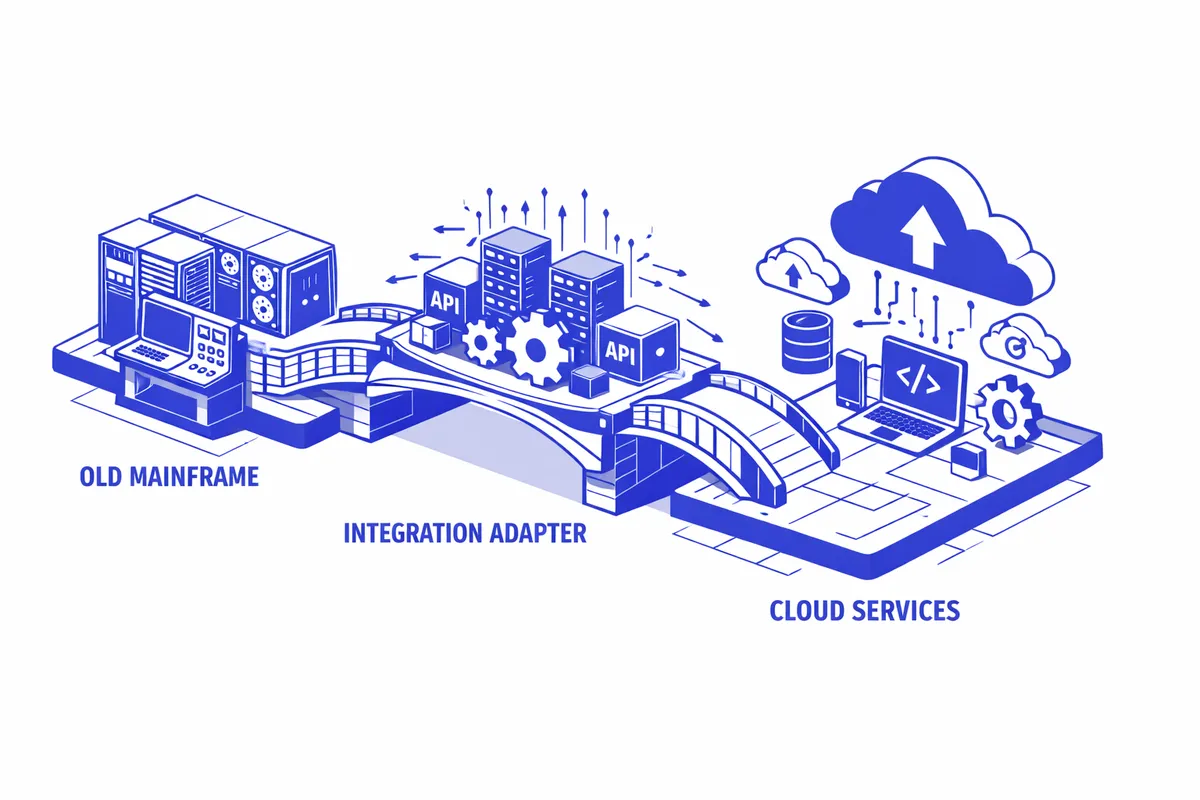
Every Bridgeport integration project starts with discovery. We document what the legacy system actually does, not what its manual assumed when it was installed. We identify the data the integration needs to move, the formats both systems use, and the integration points available: API endpoints if they exist, database access if they do not, and file-based exchange when those are the only options. Bridgeport's older industrial and hospitality systems often predate modern API conventions, so database-level and file-based integration are common approaches here.
From discovery, we design the integration architecture. We define data transformation rules that handle the format differences between what the legacy system produces and what the modern tool expects. We build error handling that catches problems before they propagate, and we define reconciliation logic that keeps both systems consistent when the integration runs. For Bridgeport hospitality clients with high-volume game-day traffic, we design integrations that handle load spikes without data loss.
Build and testing follows. We test against production-representative data volumes and scenarios, including failure conditions and recovery paths. Deployment comes with monitoring that alerts on errors, inconsistencies, or performance problems. Legacy systems surface unexpected behaviors under specific conditions, and sustained monitoring catches problems before they interrupt operations.
Industries We Serve in Bridgeport
Restaurants and Bars: Halsted Street and 35th Street hospitality businesses operating older POS systems need integration with cloud accounting, delivery platforms, and inventory management tools. We build connections that eliminate manual data work without requiring replacement of the system that runs reliably on game days near Guaranteed Rate Field.
Trucking and Logistics: Freight and trucking companies on Morgan Street and Archer Avenue operating legacy dispatch software need integration with GPS tracking platforms, load management systems, and client communication tools. We connect the systems that manage a freight operation's moving parts without requiring operators to maintain two separate records.
Contractors and Tradespeople: Bridgeport contractors with years of project history in older estimating and project management systems need integration with modern CRM, scheduling, and accounting tools. We surface institutional knowledge in the platforms that clients expect without requiring manual re-entry of project records.
Art Galleries and Creative Businesses: Galleries and studios in the Zhou B Art Center district operating older inventory, consignment, or sales tracking platforms need integration with modern e-commerce, CRM, and payment tools. We connect legacy sales records with the digital storefronts that the contemporary art market requires.
Butchers, Delis, and Specialty Retail: Bridgeport's family-run food retail and specialty shops operating older inventory or POS systems need integration with online ordering platforms, supplier systems, and accounting tools. We connect the legacy system with the modern tools without disrupting daily operations.
Auto Service and Repair: Auto service businesses on Bridgeport's commercial corridors operating legacy shop management software need integration with modern scheduling, parts ordering, and customer communication tools. We connect the system that tracks work orders with the platforms that handle scheduling and customer notification.
What to Expect Working With Us
Legacy System Discovery: We document the actual behavior of your legacy system: what data it holds, what export or integration capabilities it supports, and how it handles the specific data types your integration needs to move. For undocumented systems, discovery builds the understanding necessary to design reliable integration without guessing at system behavior.
Integration Architecture Design: Based on discovery, we select the right integration approach: API wrapper, database-level access, file-based exchange, or a combination. We design transformation logic that handles format differences between legacy and modern systems and build error handling that catches failures before they propagate into business data.
Build and Testing: We build the integration and test against production-representative data, including high-volume scenarios that Bridgeport's game-day hospitality businesses experience. Testing covers normal operations, error conditions, and reconciliation scenarios that surface only under specific load patterns.
Deployment and Monitoring: We deploy with monitoring that alerts on errors, data inconsistencies, or performance issues. Legacy systems contain behaviors that surface only under specific conditions, and sustained monitoring catches problems before they become operational disruptions.