How We Build AI Model Training in Bridgeport
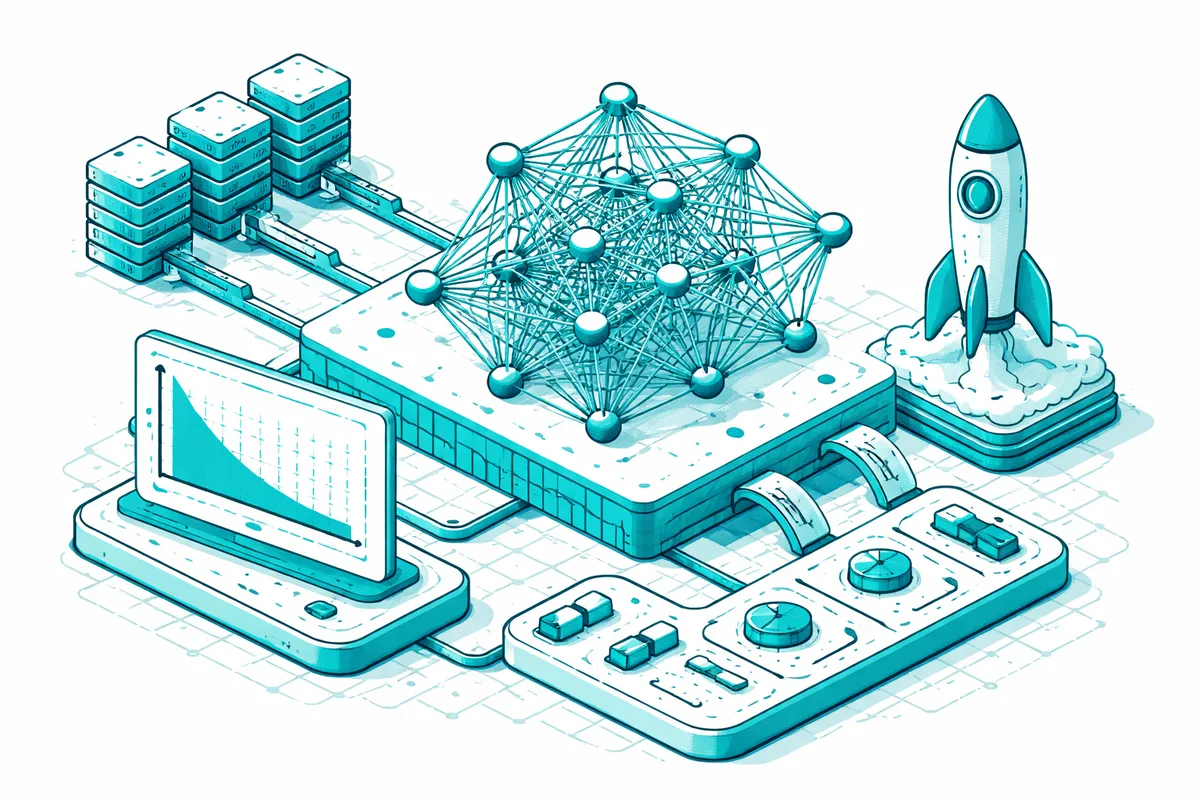
We collect your historical data, define the business questions you need answered, and train models on your Bridgeport-specific patterns. For restaurants near 31st Street and Morgan, we build demand models that incorporate White Sox schedules, day-of-week patterns, and the seasonal shifts that define South Side dining. For shops on Halsted Street, we train product demand models based on the distinct purchasing behaviors of Bridgeport's multigenerational customer base. For service businesses near Archer Avenue and the Chinatown-adjacent corridors, we develop customer scoring models that predict which leads will convert, which accounts need retention outreach, and which time windows produce the highest booking rates. Every model is validated against your actual historical outcomes before it goes live.
Industries We Serve in Bridgeport
Restaurants and bars near 31st Street and Guaranteed Rate Field train demand models on POS data that incorporate game-day traffic patterns, neighborhood event schedules, and seasonal shifts specific to Bridgeport dining. A model that knows a Friday night in June with a 7:10 PM first pitch means 40% higher covers allows you to staff correctly, prep the right quantities, and stop running out of your best-selling items at 9 PM. The intelligence lives in your data. The model just makes it visible and actionable before service starts instead of after it ends.
Retail and hardware shops on Halsted Street build product demand models that predict what sells when, optimizing inventory for the practical purchasing patterns of Bridgeport customers across communities. A shop that serves Irish, Polish, and Chinese households on different days of the week has distinct demand curves that a single generic forecast cannot capture. Custom training produces accurate predictions for each segment so you stop overstocking what one group rarely buys and running short on what another group needs every time.
Service providers and contractors throughout Bridgeport train lead scoring models that identify the most promising prospects based on neighborhood-specific conversion patterns. The signals that predict a close on Archer Avenue look different from the signals that predict a close in River North. Our models learn from your actual conversion history so scoring reflects the real behavior of Bridgeport customers rather than an industry average that has never seen your books.
What to Expect Working With Us
1. Data audit and scoping. We review your existing data sources, assess completeness, and define the specific business predictions the model will make. This conversation determines what is trainable now and what requires a few months of additional data collection before we proceed.
2. Data preparation and enrichment. We clean, structure, and enrich your data with relevant external signals, including White Sox game schedules, neighborhood event calendars, and weather data for businesses where those factors demonstrably shift demand patterns.
3. Model training and validation. We train the model on your historical data and validate its predictions against real past outcomes before deployment. You see the accuracy numbers before the model makes a single live decision.
4. Deployment and ongoing refinement. We deploy the model into your existing workflow, whether that means a dashboard, an integration with your POS system, or automated alerts. Models improve continuously as new data flows in, with regular reviews to confirm accuracy and retrain for any shifts in business patterns.