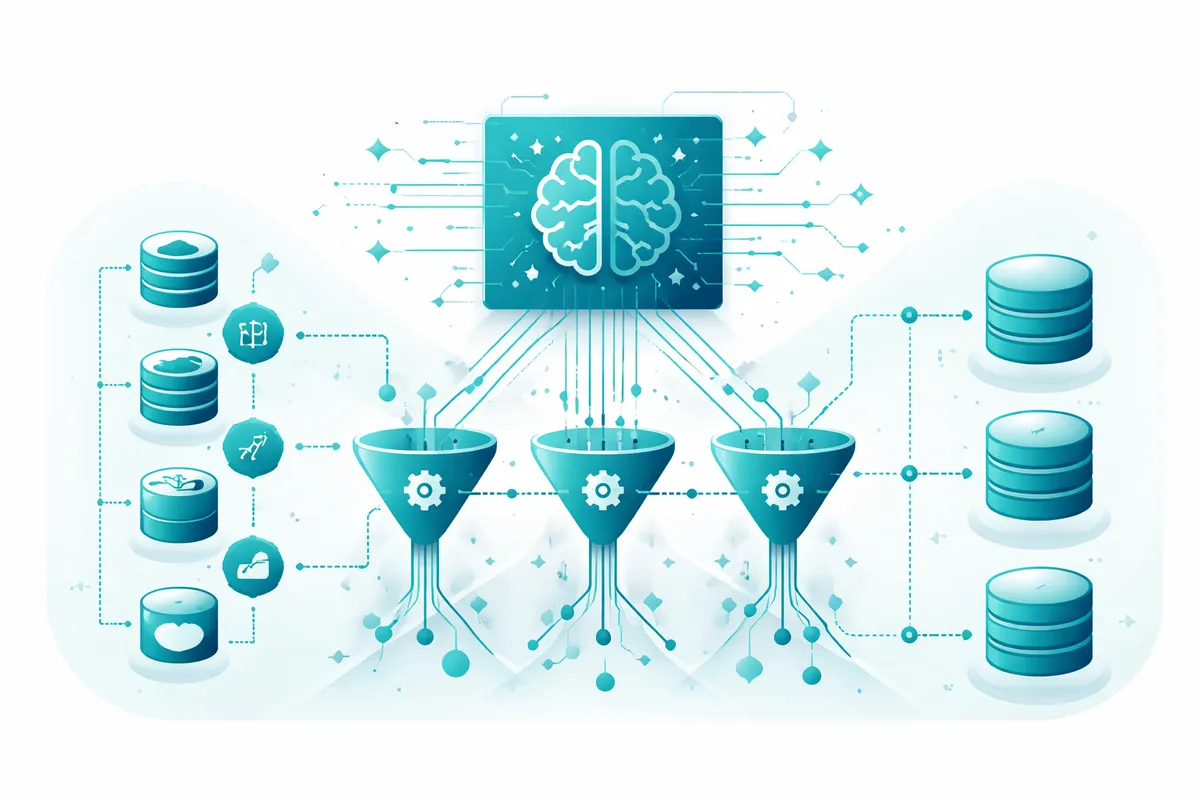
How We Build AI Data Pipelines in Bridgeport
We audit your existing tools, identify the most painful manual data tasks, and build automated connections between your systems. For restaurants near 31st Street, we connect POS data with inventory and supplier ordering so restocking decisions are based on actual consumption data rather than memory. For retail shops on Halsted Street, we sync sales with inventory tracking and reorder alerts so shelves do not run out of top sellers. For service businesses near Archer Avenue, we link booking systems with customer history and financial reporting so every job generates a complete record automatically. The pipelines run continuously and alert you when something needs attention.
What to Expect Working With Us
1. Operational audit. We document every tool you use, every place data lives, and every manual process that moves information between them. This gives us the foundation to prioritize the connections that will save the most time and reduce the most errors.
2. Connection build and integration. We build automated pipelines between your key systems, starting with the connections that deliver the most immediate value. Each integration is tested against your real data before going live.
3. Unified dashboard setup. We configure reporting dashboards that pull from all connected systems, giving you one place to see your business performance without logging into multiple platforms every morning.
4. Monitoring and ongoing support. Every pipeline includes error monitoring and alerts. We stay involved to ensure data keeps flowing accurately as your tools and data volume change over time.
Industries We Serve in Bridgeport
Restaurants and bars along Morgan Street and 31st Street use data pipelines to unify POS, delivery platform, and supplier data into a single dashboard that shows profitability across all channels. A restaurant running Toast for in-house sales, DoorDash for delivery, and QuickBooks for accounting sees one clean daily revenue number instead of three separate ones that have to be manually added together. The consolidated view reveals which delivery items generate the highest margins after fees and which in-house specials drive the biggest average checks, information that shapes menu and pricing decisions without anyone spending Sunday evening in a spreadsheet.
Retail and hardware shops on Halsted Street connect sales data with inventory systems to automate reordering, track margins by product category, and reduce manual stocktaking. A hardware store serving Bridgeport contractors and homeowners knows which products move fastest by season, which are tied up in slow-moving stock, and when to reorder before running out. That inventory intelligence prevents the stockouts that frustrate loyal customers and the overbuying that ties up cash in products that do not turn.
Service providers and tradespeople throughout Bridgeport link job management, invoicing, and customer data to track profitability by job type and automate follow-up scheduling. A plumber or electrician who tracks jobs in one system and invoicing in another is doing double work on every job. Connected pipelines create a record automatically when a job is completed, generate the invoice, and queue the follow-up. The administrative work that used to happen at 10 PM after the last job becomes a background process.