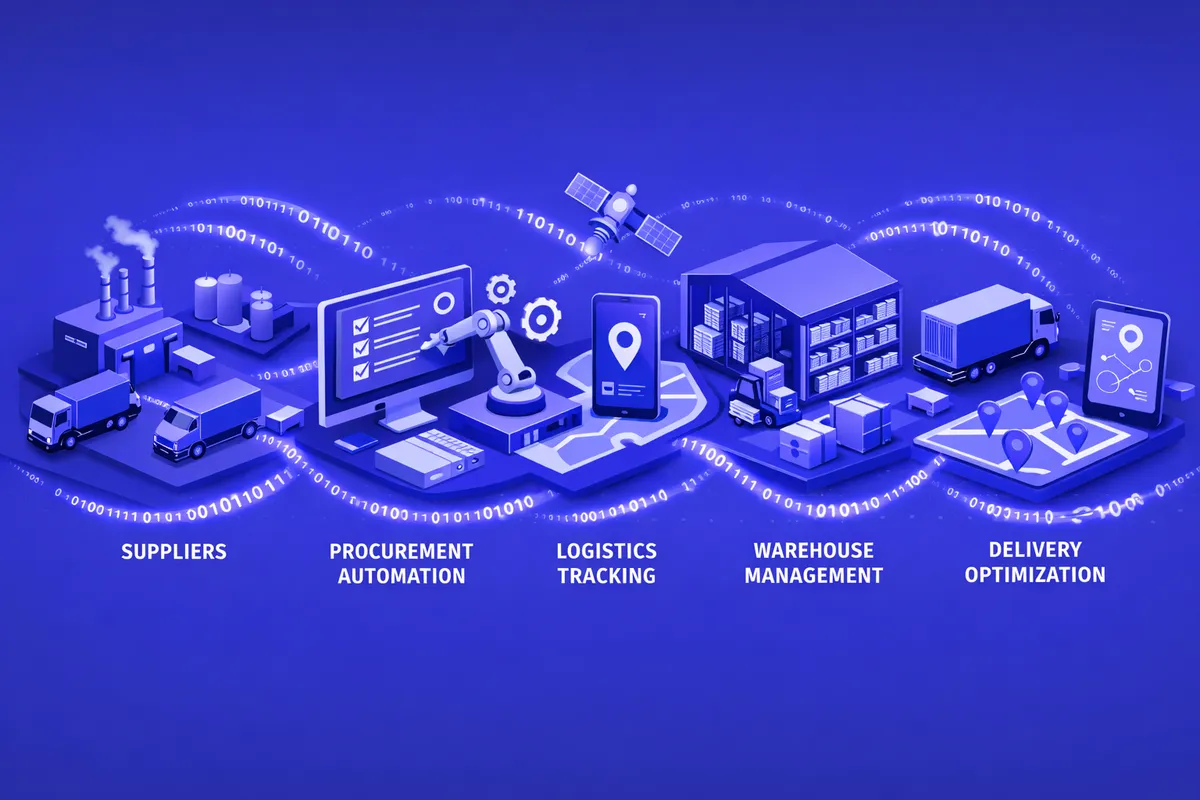
How We Build Supply Chain Automation for Beverly
We start every Beverly engagement with a process audit: mapping your current purchasing workflows, identifying where manual steps create delays or errors, and building a prioritized automation roadmap before we write a line of code. For a Beverly boutique, that audit typically uncovers three to five high-cost manual touchpoints: inventory checking, reorder triggering, purchase order generation, delivery confirmation, and invoice reconciliation.
Integration architecture is designed to work with the systems Beverly businesses already use. Most independent retailers in this corridor run Square or Lightspeed for POS. Professional offices use QuickBooks or Xero. Medical practices use specialized practice management systems. Our automation layer connects your existing platforms rather than replacing them, adding automated triggers and workflows on top of the operational foundation you have already built.
Implementation is phased. The highest-impact automation, typically inventory monitoring and reorder triggering, goes live first. Supplier communication automation, delivery tracking, and invoice reconciliation follow in subsequent phases. By the time the full program is live, your supply chain runs with the reliability of a larger operation without requiring the staffing overhead that larger operations carry.
Industries We Serve in Beverly
Boutique Retailers: Western Avenue boutiques managing multi-supplier product catalogs need automation that monitors inventory levels continuously, triggers reorders at the right threshold, and manages the supplier communication that keeps shelves stocked without carrying excess slow-moving inventory that ties up capital.
Specialty Food and Beverage Operators: Restaurants and specialty food shops near Ridge Park and along 103rd Street manage perishable inventory with daily ordering cycles and multiple supplier relationships. Automated purchasing triggers, delivery confirmation tracking, and FIFO management reduce waste and eliminate the manual ordering errors that erode margin.
Professional Service Offices: CPA offices, law firms, and insurance agencies along Western Avenue manage office supply, equipment, and operational procurement manually, spending professional time on administrative purchasing tasks. Supply chain automation handles recurring procurement automatically and flags exceptions for human review.
Medical and Dental Practices: Medical practices near St. Xavier University managing clinical supply, office supply, and equipment maintenance procurement across multiple vendor relationships benefit from automated reordering, vendor communication workflows, and the purchase order tracking that keeps supply costs visible and controlled.
Neighborhood Restaurants: Beverly's independent restaurants managing food, beverage, and operational supply across multiple vendors need procurement workflows that trigger automatically from inventory levels, confirm deliveries without manual follow-up, and reconcile received goods against invoices without end-of-week administrative sessions.
Home Goods and Gift Retailers: Specialty retailers near the Beverly Arts Center managing seasonal inventory cycles, consignment relationships, and the custom-order workflows common in gift retail need automation that handles the routine procurement cycle while keeping custom and consignment tracking accurate.
What to Expect Working With Us
1. Process Audit. We map your current supply chain workflows across every function, identify the highest-cost bottlenecks, and produce a prioritized automation roadmap. For Beverly businesses, this typically takes one to two weeks and produces a clear picture of where automation delivers the fastest return.
2. Integration Architecture. We design the connections between your existing systems and the automated workflows we will build. You approve the architecture before any development begins. No surprises about what your systems will and will not connect to.
3. Phased Implementation. Highest-impact automations go live first. Your team sees operational benefit before the full program is complete. Each phase is tested against your actual operational scenarios, not generic test cases.
4. Monitoring and Optimization. Post-launch monitoring identifies performance gaps and optimization opportunities as the automated footprint grows. We track purchasing cycle times, fill rates, and error rates to demonstrate ROI against the baseline your process audit established.