How We Build Multi-Agent Systems for Beverly
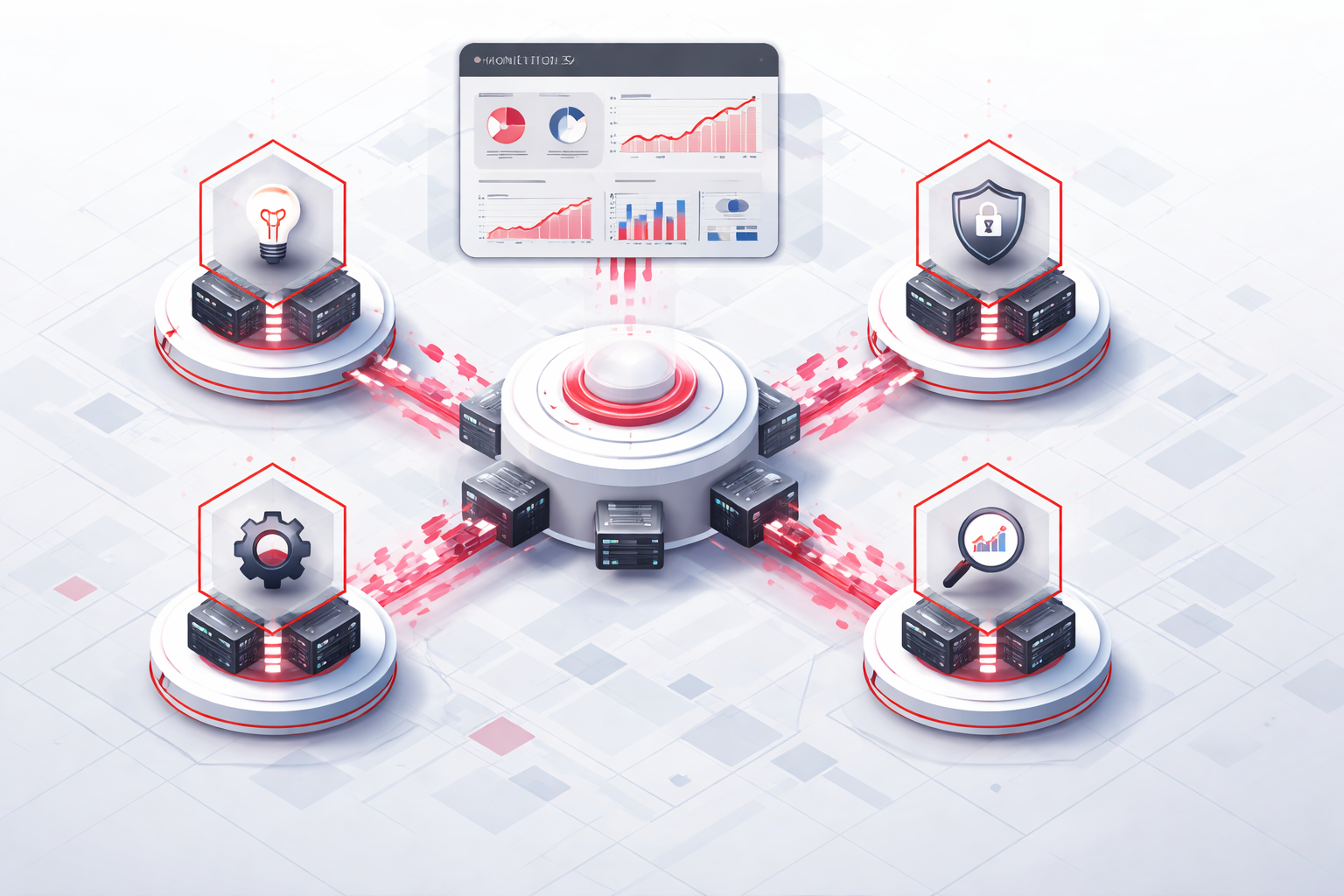
We map the complete workflow, not just individual tasks. For a Beverly law firm, that means following a matter from initial client inquiry through intake, conflict check, file opening, matter management, billing, and client communication, identifying every step, every decision point, and every system interaction along the way. This complete picture is what makes it possible to design agents that hand off to each other correctly.
We design the agent architecture: which functions become individual agents, how agents communicate with each other, how the orchestrating system coordinates their activity, and how the system handles exceptions and errors. For a medical practice near Ridge Park, the architecture might include an intake agent, an insurance verification agent, a scheduling agent, a clinical routing agent, and a communication agent, all coordinated by an orchestrating system that manages patient flow from first contact through post-visit follow-up.
We build agents iteratively, starting with the highest-priority workflow and adding agents in phases. Beverly practices that try to build multi-agent systems for all of their workflows simultaneously almost always encounter implementation difficulties. Phased implementation allows each agent to be proven before the next layer of complexity is added.
We test the complete system against real workflow scenarios before deployment. Multi-agent systems have more complex failure modes than single agents: coordination errors, timing conflicts, and edge cases where one agent's output does not match another agent's expected input. Testing against realistic scenarios, including high-volume periods and edge cases, surfaces these issues before they affect client-facing workflows.
Industries We Serve in Beverly
Law firms and legal practices on Western Avenue and 95th Street use multi-agent systems to coordinate matter intake, document processing, research, docket monitoring, attorney alerting, billing preparation, and client communication across a connected system that handles complete case management workflows.
Medical and dental practices near Ridge Park and 103rd Street use multi-agent systems to coordinate patient intake, insurance verification, scheduling, clinical routing, care communication, billing, and follow-up across a connected system that handles patient journeys from first contact through ongoing care.
CPA and accounting firms serving Beverly's professional families use multi-agent systems to coordinate client intake, document collection, engagement preparation, work assignment, review routing, quality checking, filing, and post-engagement follow-up across a connected tax and advisory workflow.
Insurance agencies along Longwood Drive and Wood Street use multi-agent systems to coordinate new application processing, underwriting support, policy issuance, renewal management, claims initiation, and client communication across a connected agency management workflow.
Real estate and property management firms serving Beverly and neighboring Morgan Park and Evergreen Park use multi-agent systems to coordinate lead intake, qualification, showing scheduling, contract management, transaction coordination, and post-close follow-up across a connected transaction workflow.
Boutique retail and restaurant businesses near the Beverly Arts Center and Horse Thief Hollow use multi-agent systems to coordinate order management, inventory monitoring, supplier communication, customer follow-up, and promotional workflows across a connected operations system.
Beverly's professional services firms that invest in multi-agent systems gain a structural advantage that compounds over time. As each workflow phase is automated and proven, the firm has more capacity to serve more clients without proportional overhead growth. For a law firm on Western Avenue that has been constrained in its growth by administrative capacity rather than by the availability of good cases or capable attorneys, multi-agent infrastructure is what makes the next phase of growth possible. The same logic applies to a medical practice near 111th Street that wants to add patient capacity without adding administrative staff, or a CPA practice that wants to take on more complex clients without losing the responsiveness that its current clients expect. Multi-agent systems are the foundation that changes the growth ceiling.
What to Expect Working With Us
1. Complete workflow mapping. We document your workflows end-to-end, not just at individual task level. This mapping identifies where agents need to coordinate, where decisions are made, and where the system needs to handle exceptions. Mapping typically takes three to five weeks for a multi-agent engagement.
2. Agent architecture design. We design the full agent ecosystem: individual agent specifications, coordination logic, exception handling, and integration points with your existing systems. You review and approve the architecture before development begins.
3. Phased agent development and integration. We build and test agents in phases, starting with the highest-priority workflow and proving each phase before building the next. Each phase delivers a functional improvement before the full system is complete.
4. System-level testing and deployment. Before full deployment, we run the complete multi-agent system against real workflow scenarios at realistic volumes. We monitor system performance for 60 days after deployment, addressing coordination issues and edge cases as they emerge from real-world use.