How We Build Analytics and Reporting for Beverly
The first conversation we have with a Beverly business is about decisions, not dashboards. We ask which three things the owner wishes they knew that they currently have to guess at. For a medical practice near Walker Branch Library, that might be: which referring physicians send the most patients, how long the average appointment-to-billing cycle runs, and whether the new patient intake process is deterring bookings. For a CPA office on 111th Street, it might be revenue per client tier, churn rate among small business clients, and which services generate the highest margin. The answers determine what we instrument, what we ignore, and what we surface in the reporting layer.
We pull data from wherever it already lives. Most Beverly professional services businesses have more data than they realize: billing systems, scheduling software, email platforms, website analytics, and in some cases POS systems for retail and restaurant clients. We connect those sources into a unified reporting structure rather than asking the business owner to log into five separate tools and reconcile the numbers manually.
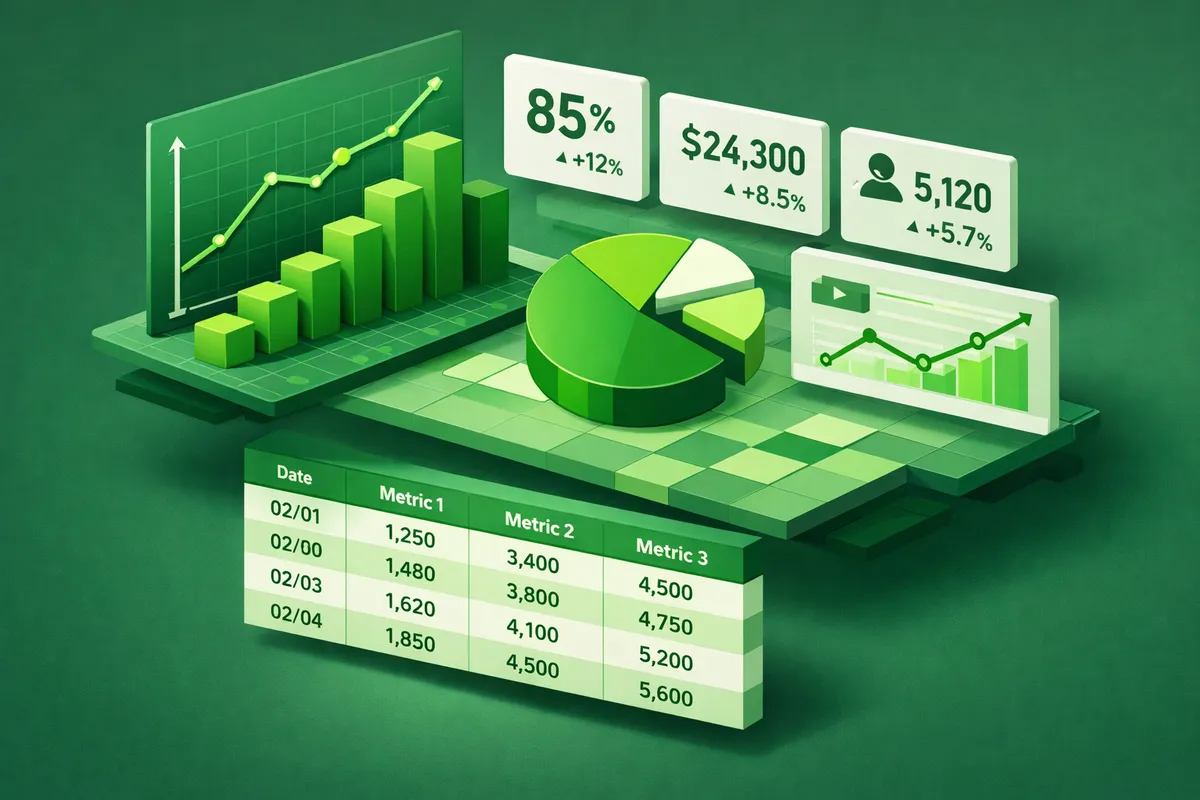
The reporting layer is built for actual use. We design dashboards that a managing partner at a Beverly law firm can read in three minutes before a Monday morning team meeting, not dashboards that require a data analyst to interpret. Weekly automated reports deliver the key metrics by email so the numbers arrive without anyone having to log in and pull them. Quarterly review sessions walk through trends and flag the numbers that suggest a decision needs to be made.
Industries We Serve in Beverly
Law firms and legal practices clustered along 95th Street and 103rd Street gain the clearest picture of their client acquisition funnel with analytics: how many website visitors request a consultation, which practice areas generate the most inquiries, and what the average time-to-engagement looks like from first contact to retained client. That data is the foundation for any smart marketing investment.
Medical and dental practices near Ridge Park handle complex revenue streams across insurance reimbursements, private pay, and ancillary services. Reporting that maps patient volume against billing cycle performance, payer mix, and appointment type gives practice administrators the visibility they need to optimize scheduling and staffing without burning out providers.
At CPA and financial advisory offices on 111th Street, the tax season calendar creates one of the sharpest demand curves in any professional services market. Analytics that tracks client engagement, service tier distribution, and year-over-year retention lets the firm plan capacity and pricing for the next season instead of improvising during the busiest eight weeks of the year.
Insurance agencies along Western Avenue operate on renewals and referrals. An analytics system that distinguishes referred clients from cold inquiries, tracks policy renewal rates by product line, and surfaces early churn signals gives an agency the tools to intervene before a client shops their coverage elsewhere.
Boutique retailers and specialty shops near the Beverly Arts Center serve a loyal neighborhood clientele that returns season after season. Sales reporting that breaks down performance by product category, transaction size, and time period reveals which inventory decisions are working and which are tying up cash in slow-moving goods.
Neighborhood restaurants and bars along 103rd Street near Horse Thief Hollow depend on repeat visits from Beverly regulars. Analytics that tracks covers by day part, average check by section of the week, and the gap between new and returning customers gives operators the information to make reservation policies, menu changes, and promotional decisions based on what the data actually shows.
What to Expect Working With Us
1. Decision inventory and data audit. We document the three to five decisions you currently make by intuition that should be made with data, then audit every system you already use to understand what data you have, what is missing, and what can be connected without custom development. Beverly professional services firms often discover they have usable data in billing and scheduling tools they have never analyzed.
2. Instrumentation and connection. We set up the tracking layer on your website, connect your existing business systems via API or export, and build the data pipeline that feeds your reporting structure. For a Beverly medical practice or law firm, this typically takes two to three weeks and requires minimal disruption to daily operations.
3. Dashboard build and calibration. We design your reporting views around the decisions you identified in step one, build the automated delivery schedule, and run a calibration round with you to confirm the numbers match your operational reality before we hand anything over.
4. Monthly review and refinement. Data systems drift as businesses change. We review your analytics quarterly, flag new questions the data is surfacing, and update your reporting structure as your business evolves. The Irish American civic calendar and Beverly Arts Center programming create seasonal patterns worth tracking year over year, and we help you build that institutional knowledge into your reporting.